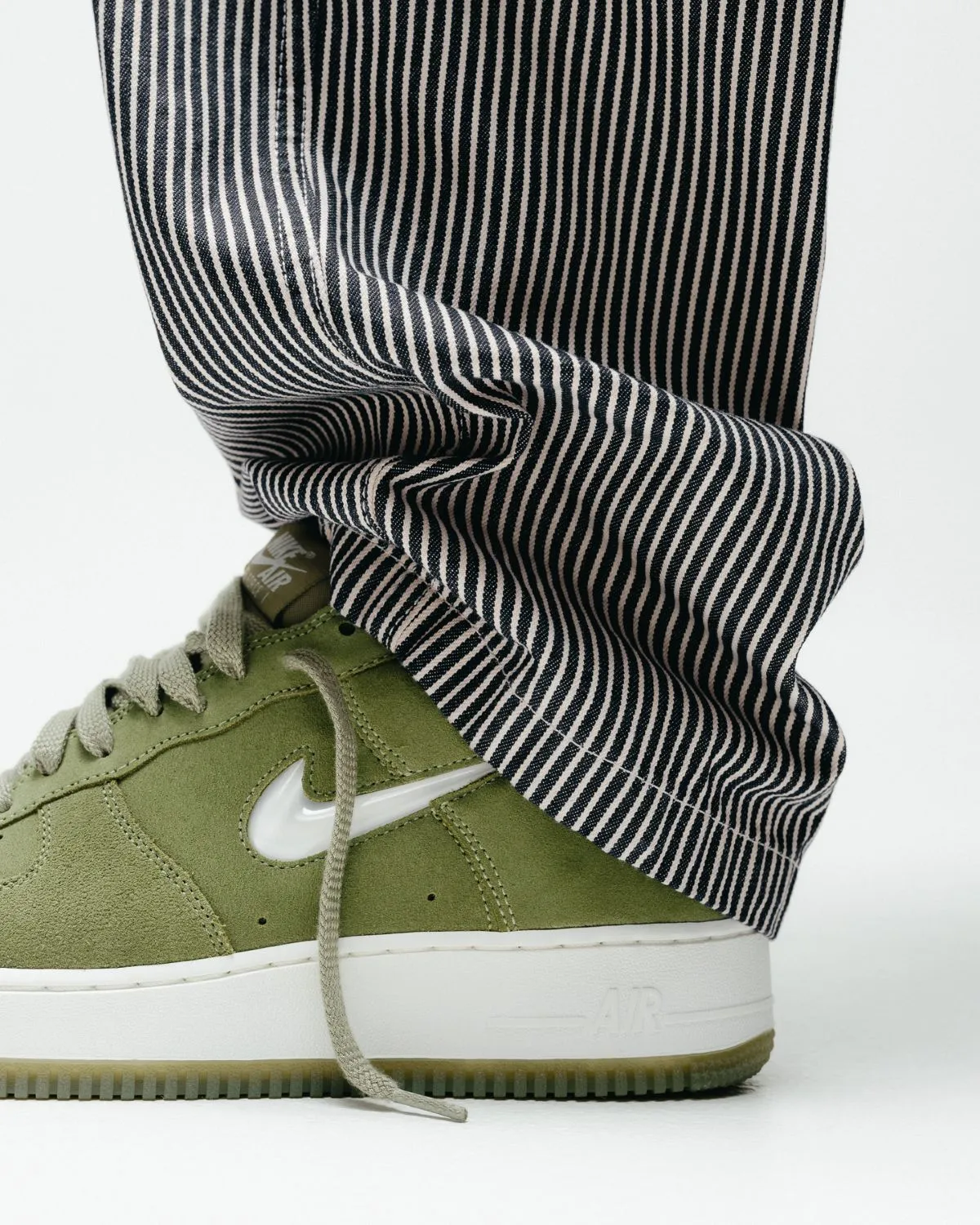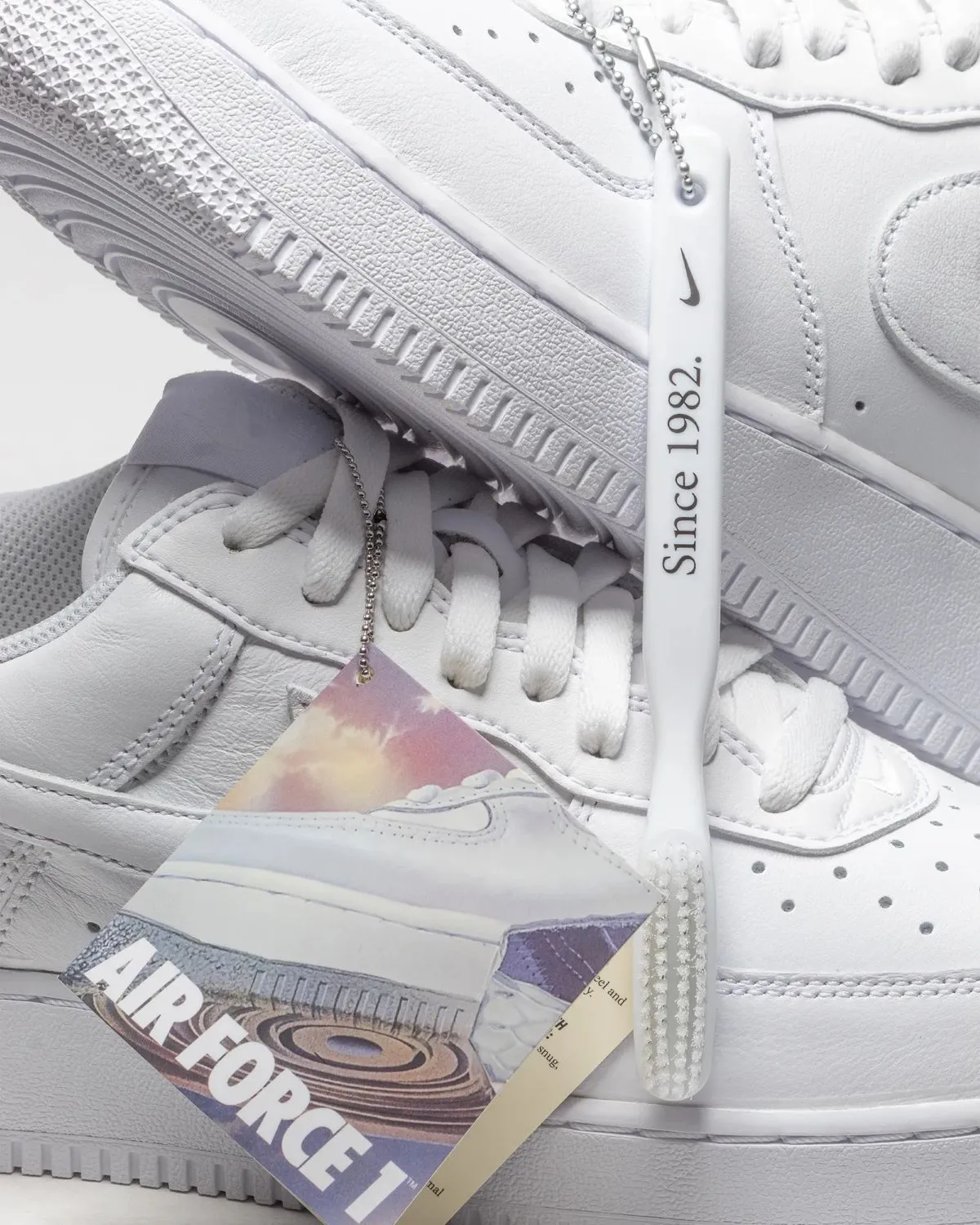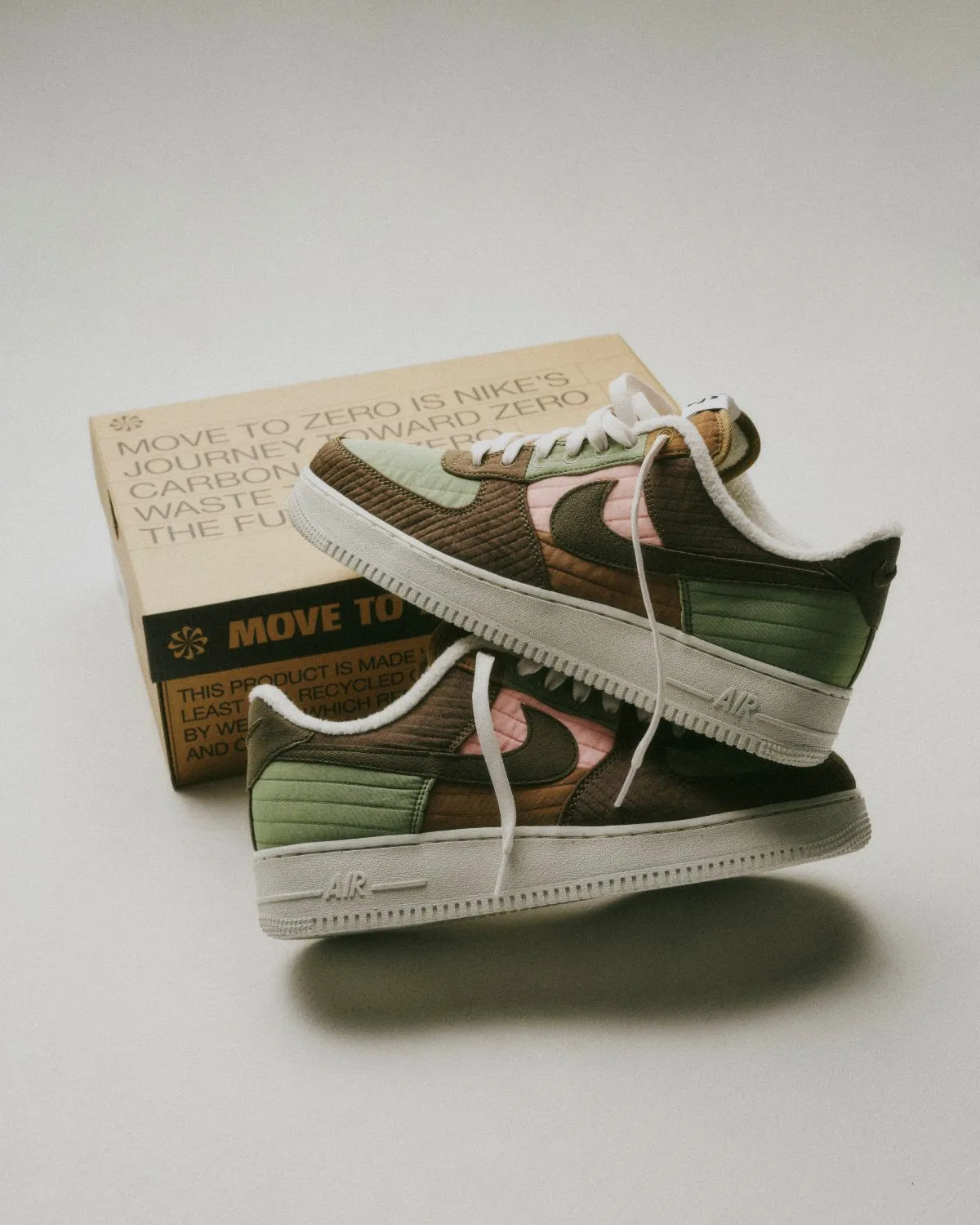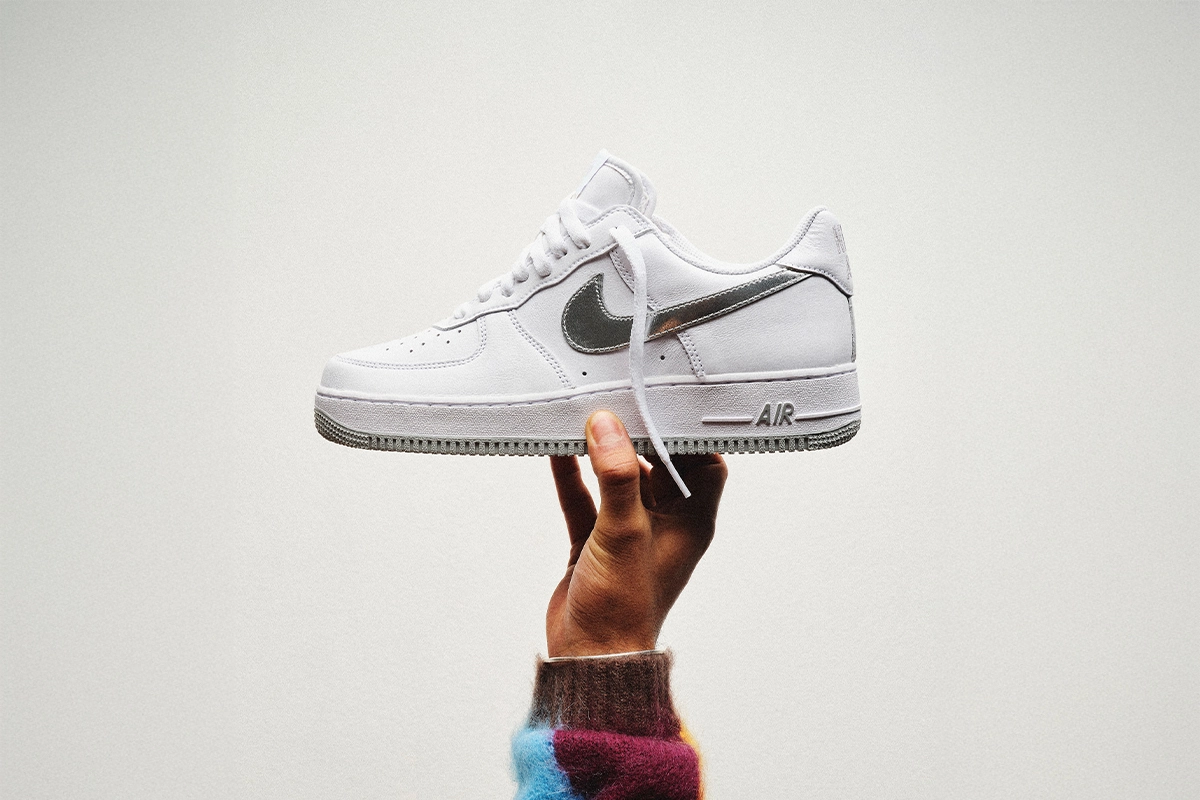
Originally introduced in 1982 as the first basketball sneaker to feature Nike’s Air cushioning technology, the Air Force 1 redefined on-court performance. And, eventually, off-court culture. Designed by Bruce Kilgore, the original Nike Air Force 1 High came built to stay: sturdy outsole with concentric circles for pivot control, perforated toe box for breathability, and a Velcro strap to lock down the ankle. Named after the U.S. President’s aircraft, the silhouette carried a sense of stature from day one.
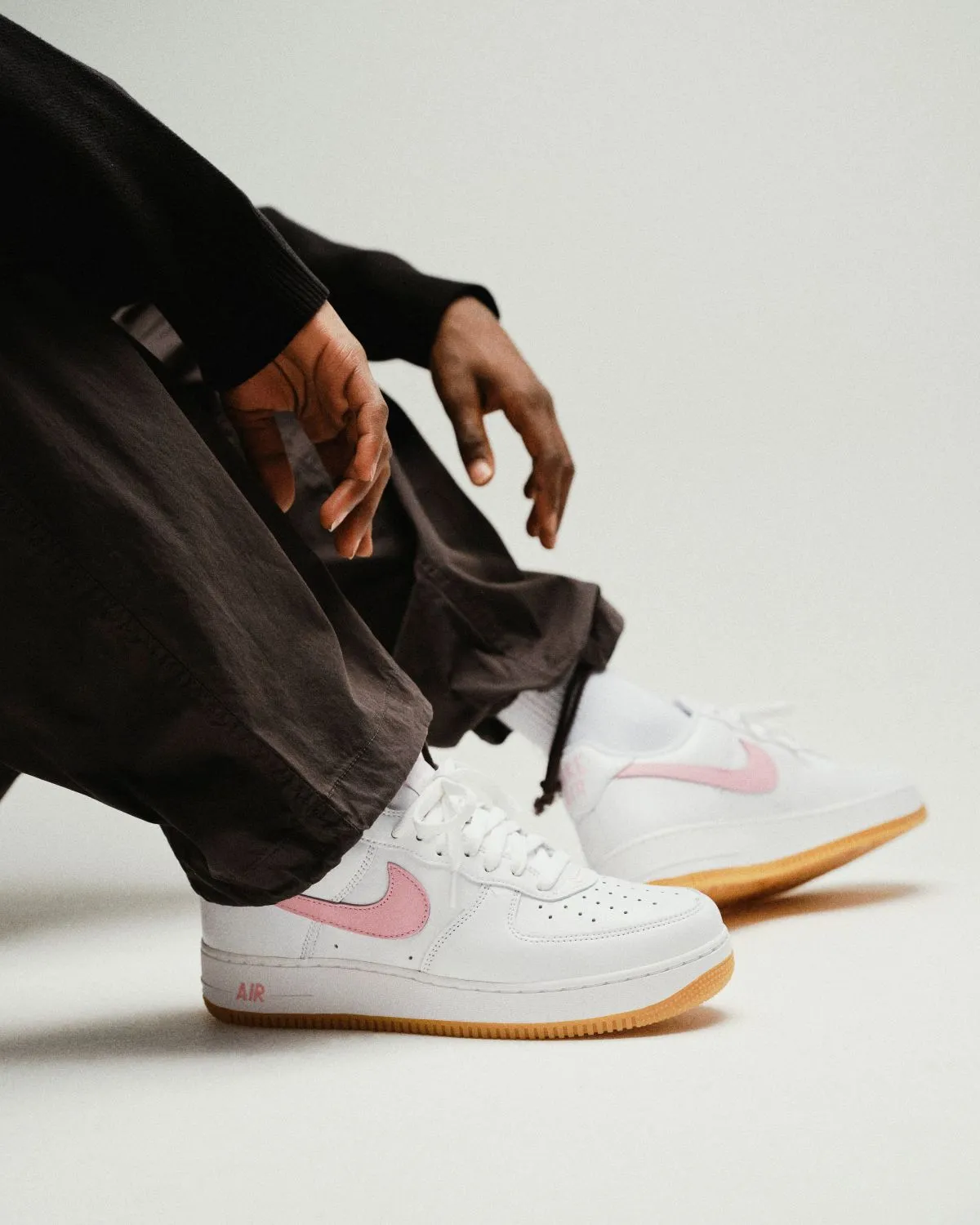
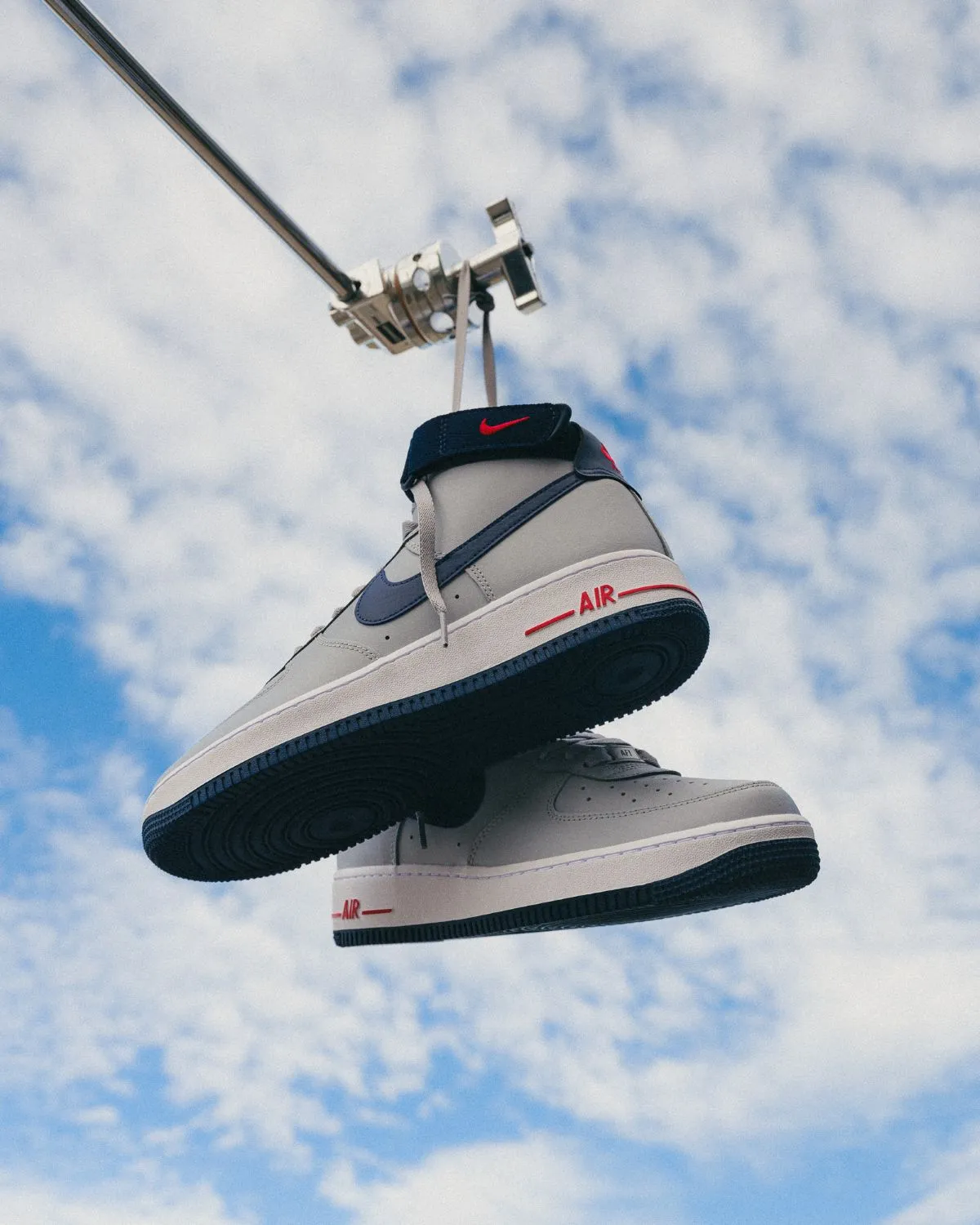
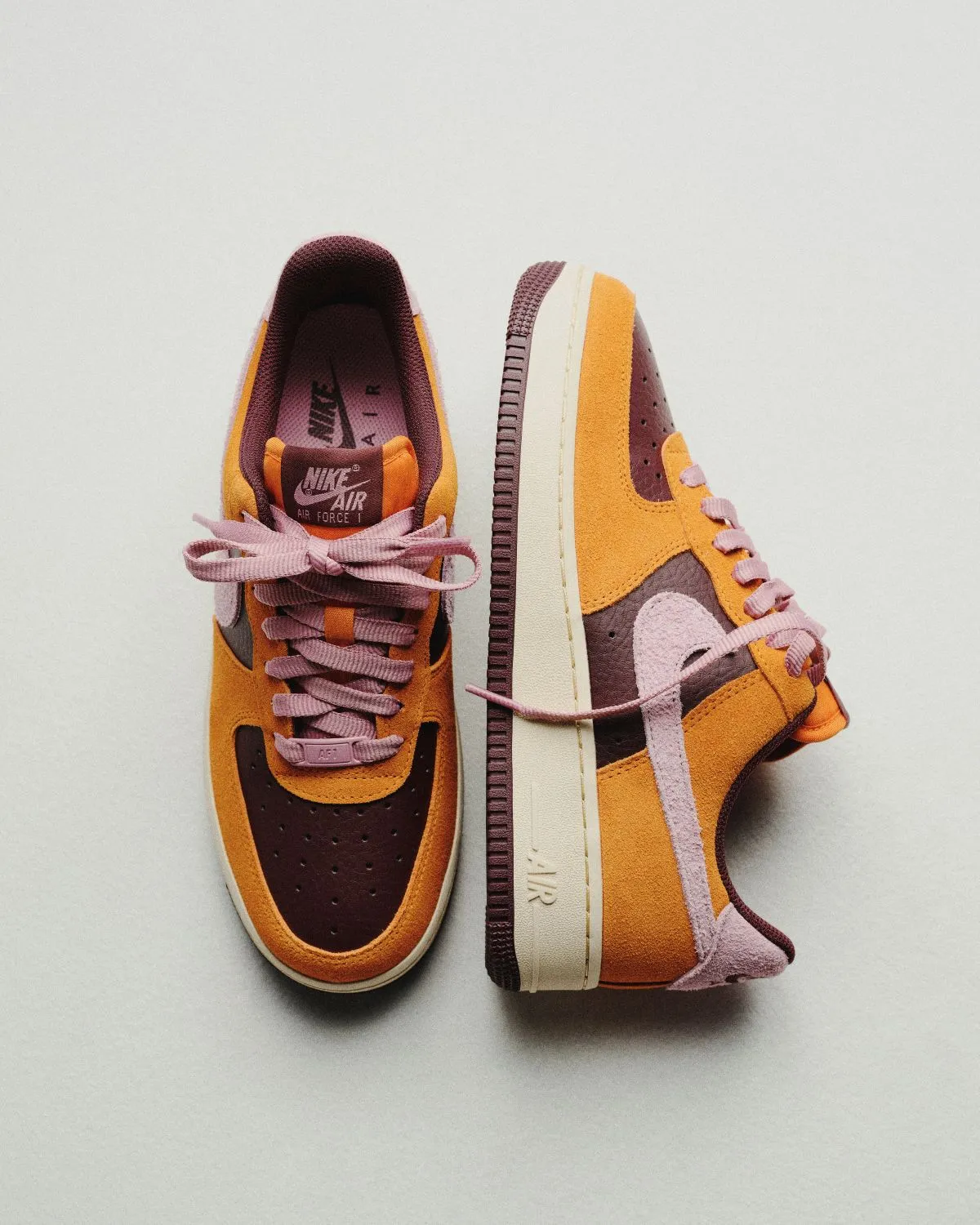
A year later, Nike introduced a low version to extend the shoe’s reach off the hardwood and into everyday life. And the pivot worked: The Air Force 1 Low turned out the most popular version of the pair (and would go down in history as Nike’s best-selling shoe of all time). The pair’s unprecedented run almost didn’t happen though: As was the usual practice at the time, the shoe was discontinued by Nike just two years after its initial release. But due to fan demand – especially from Baltimore – Nike brought it back in 1986, marking one of the first examples of a retro release in sneaker history.
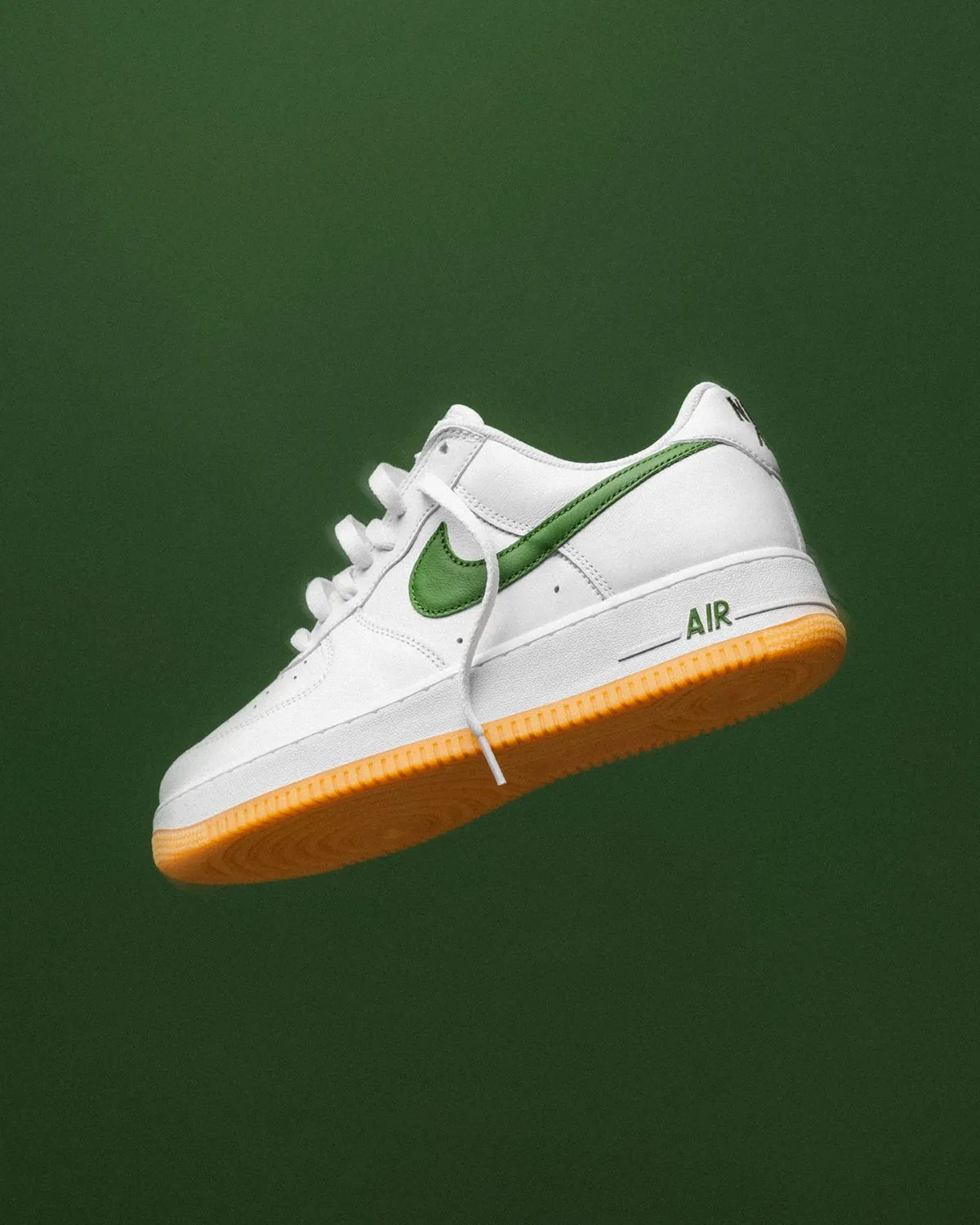
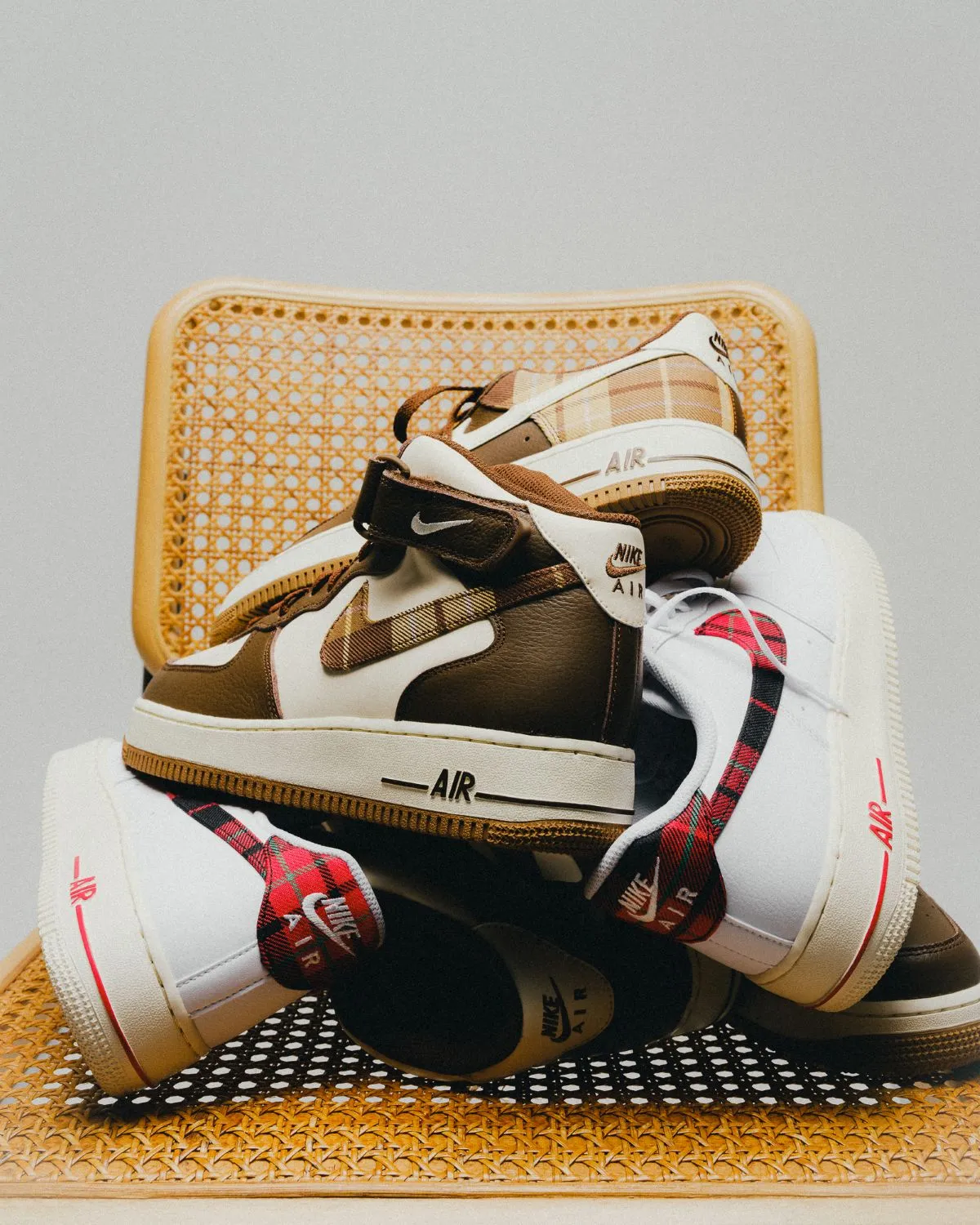
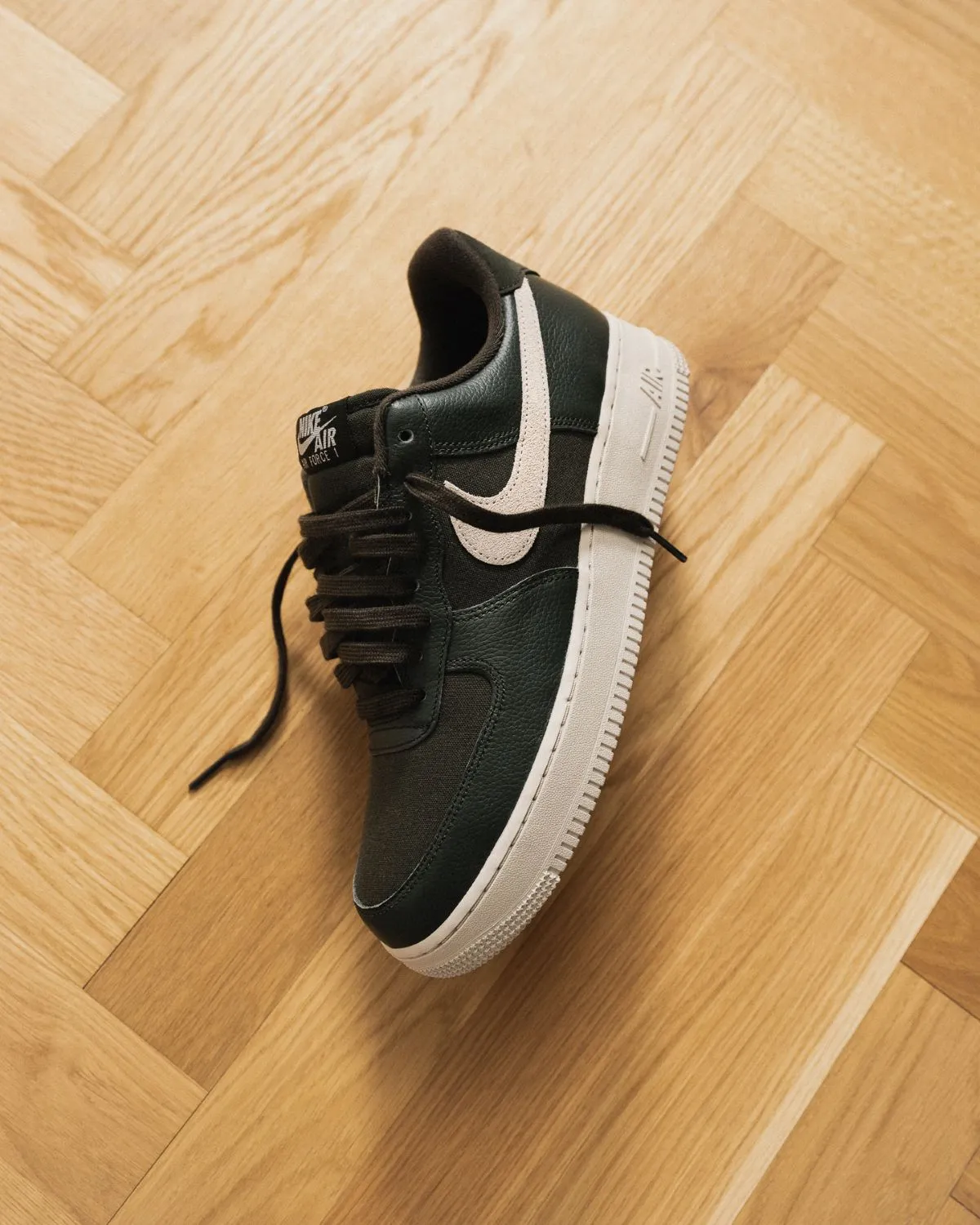
Somewhat surprisingly, the all-white Air Force 1 – aka arguably the most iconic colorway these days – didn’t emerge until the mid-’90s. Earlier colorways came close, like the white-and-gum sole version in ’91, but none hit quite like the ultra-versatile Triple White. Nicknamed “Uptowns” thanks to their popularity in Harlem, the all-whites spread far beyond NYC, becoming a staple across the East Coast and a fixture in hip hop. Fat Joe, Dipset, and Jay-Z helped embed them into the culture, and Nike even crafted exclusive AF1s for Roc-A-Fella and Terror Squad long before they ever hit the public.
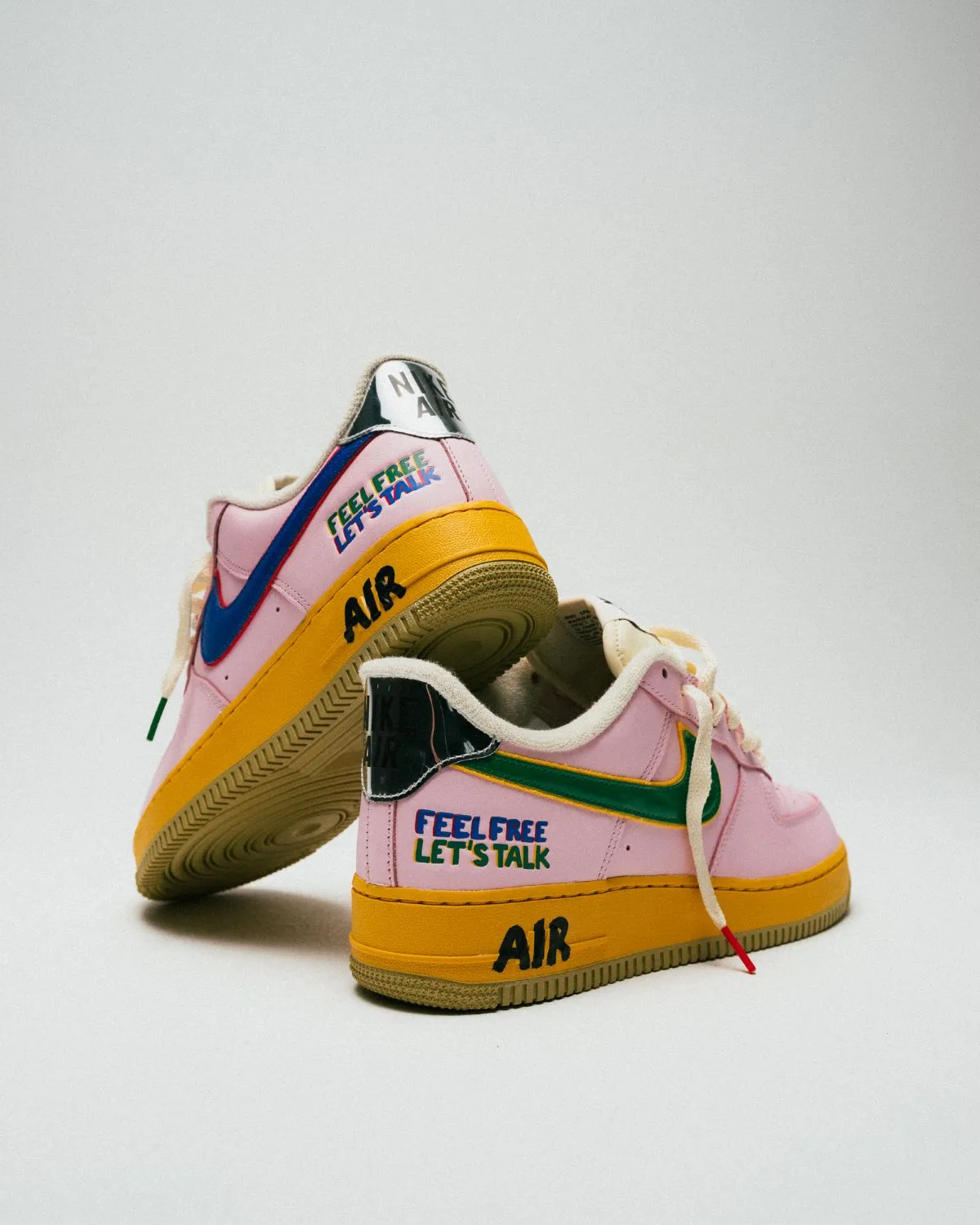
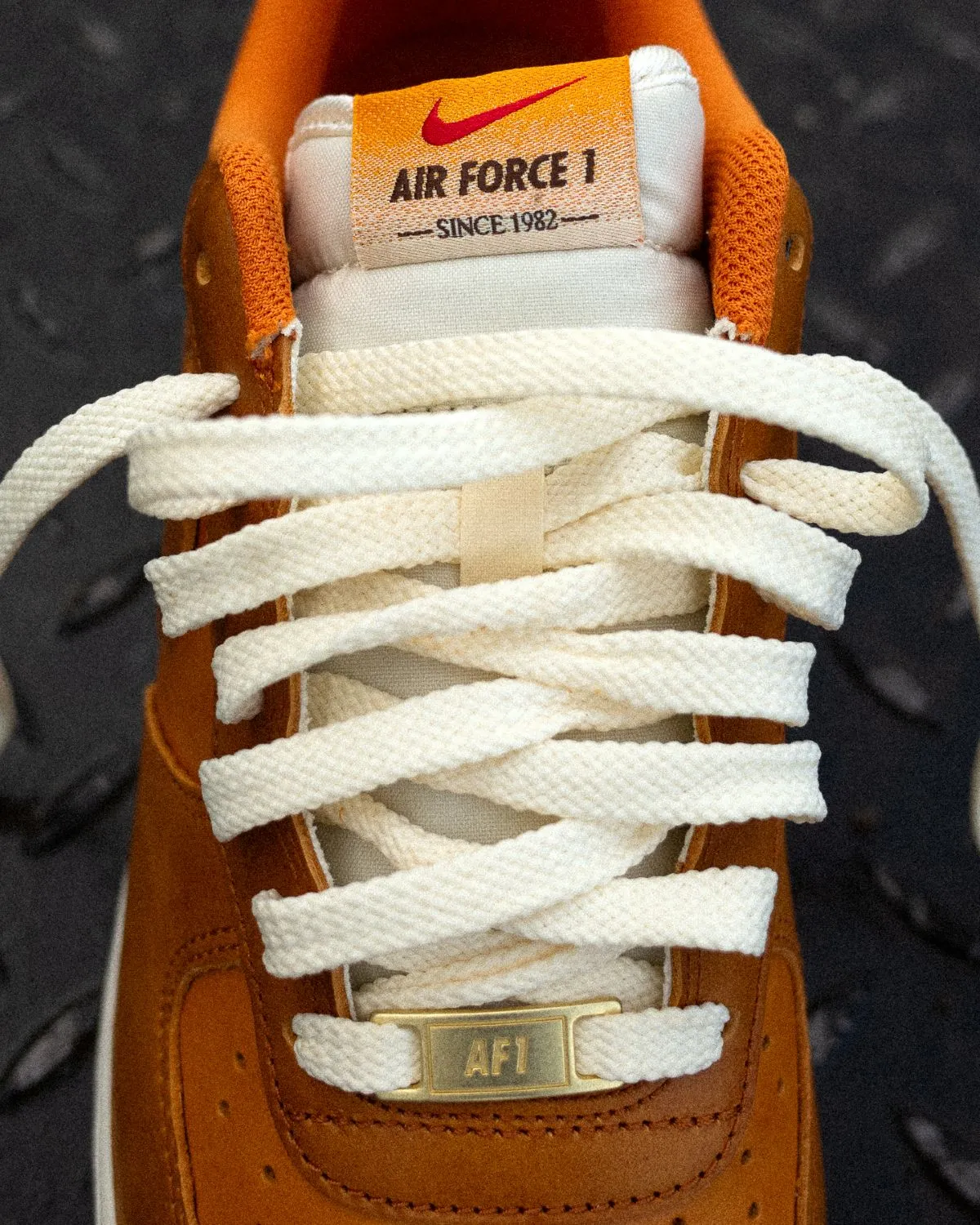
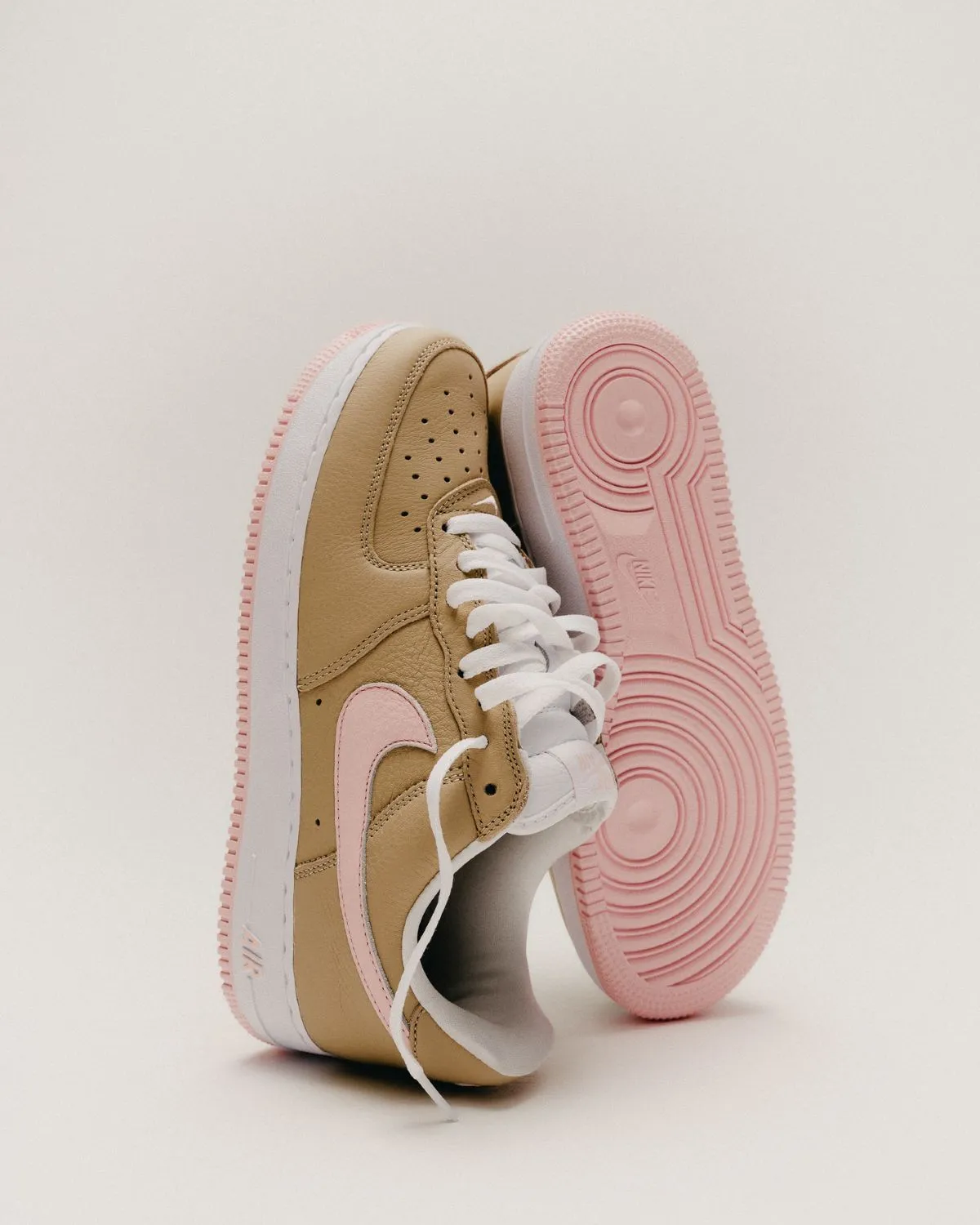
The early ’00s in general marked a turning point for the Air Force 1, with region-exclusive releases like the Co.Jp ‘Linen’ and collabs like Stash’s ‘Blue Pack’ AF1 Low in 2006 setting the stage for today’s campout culture. While NBA players like Rasheed Wallace kept the original Highs alive on court, designers like Riccardo Tisci pushed the silhouette into new territory off it – transforming the classic into a fashion-forward boot in 2014.
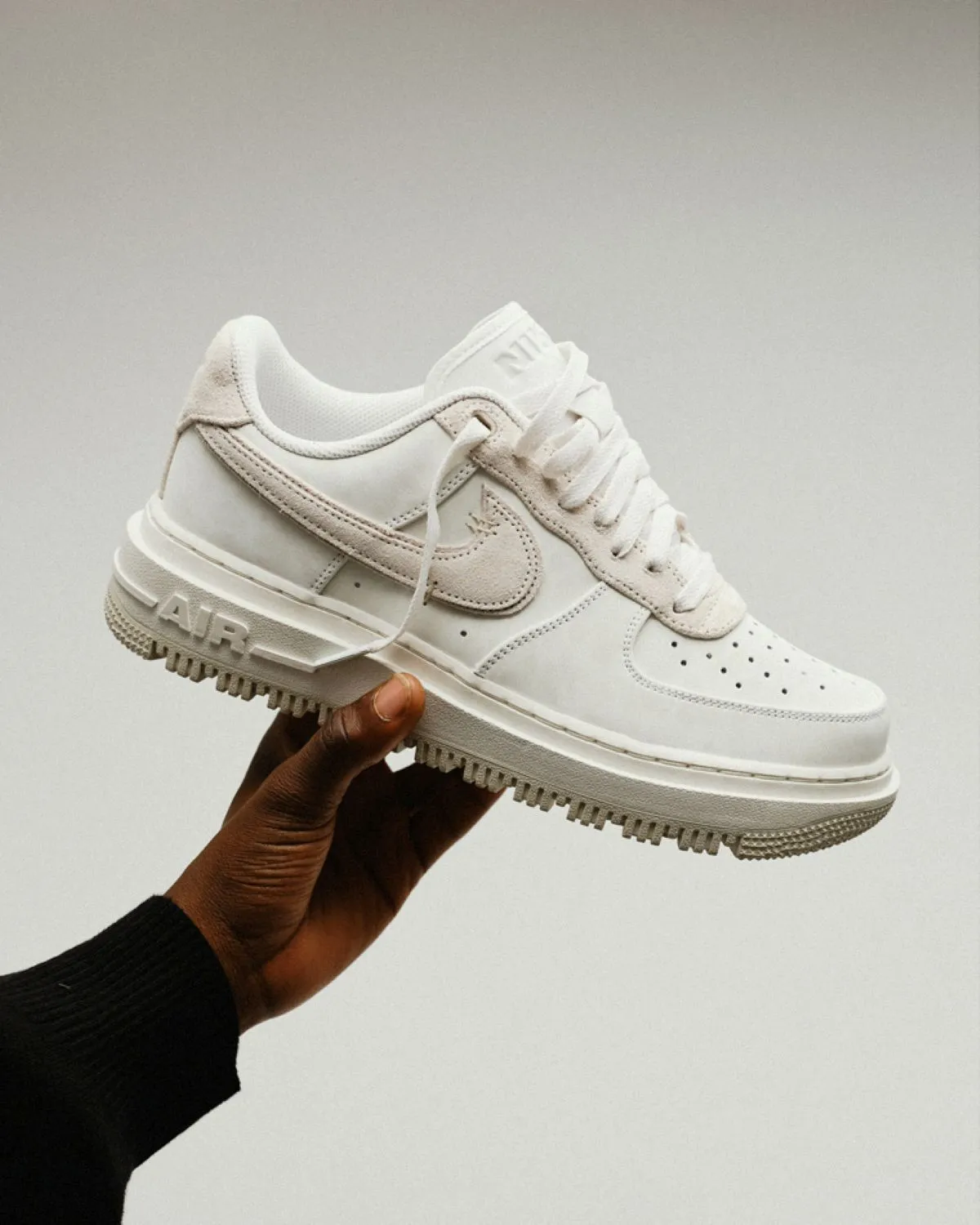
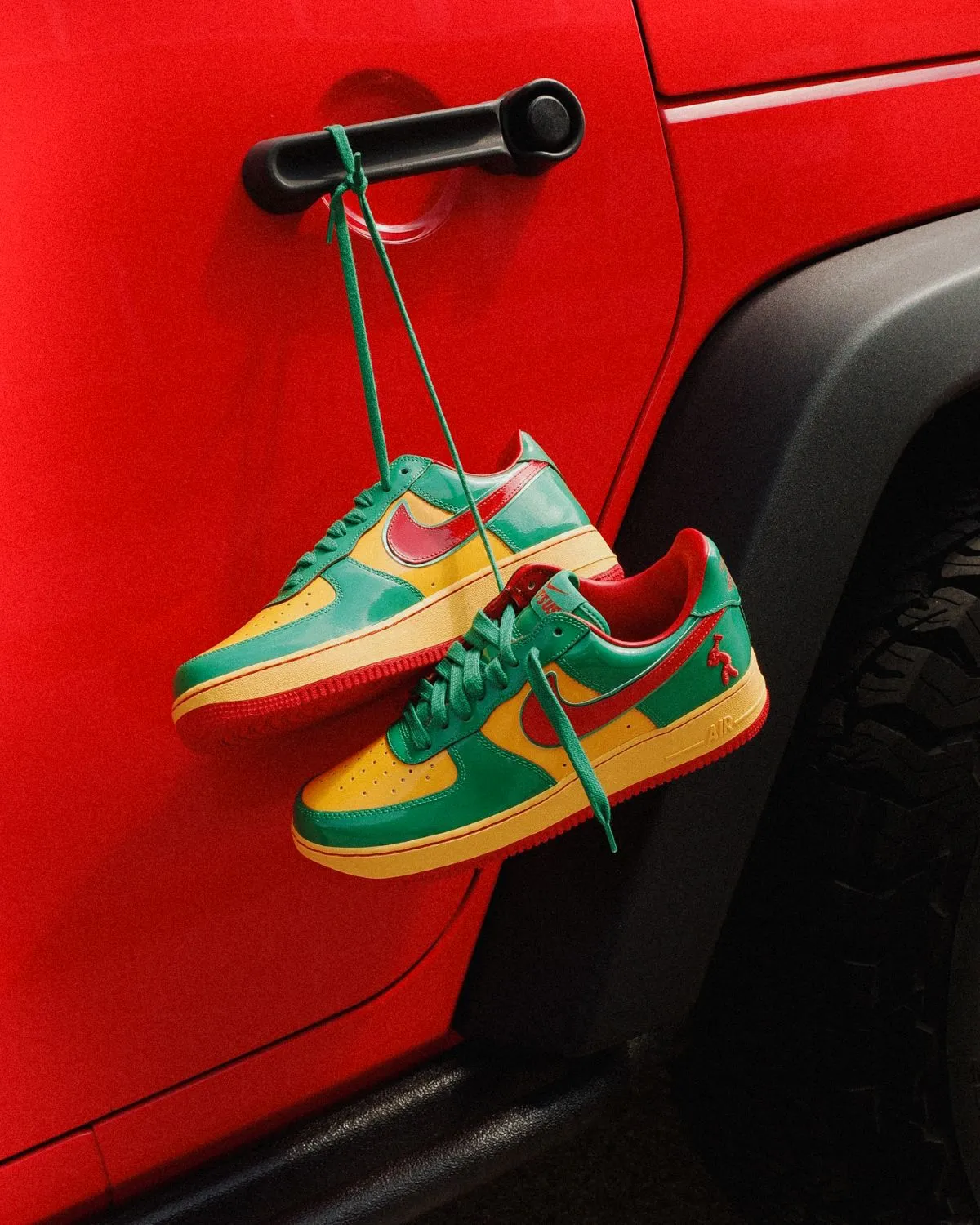
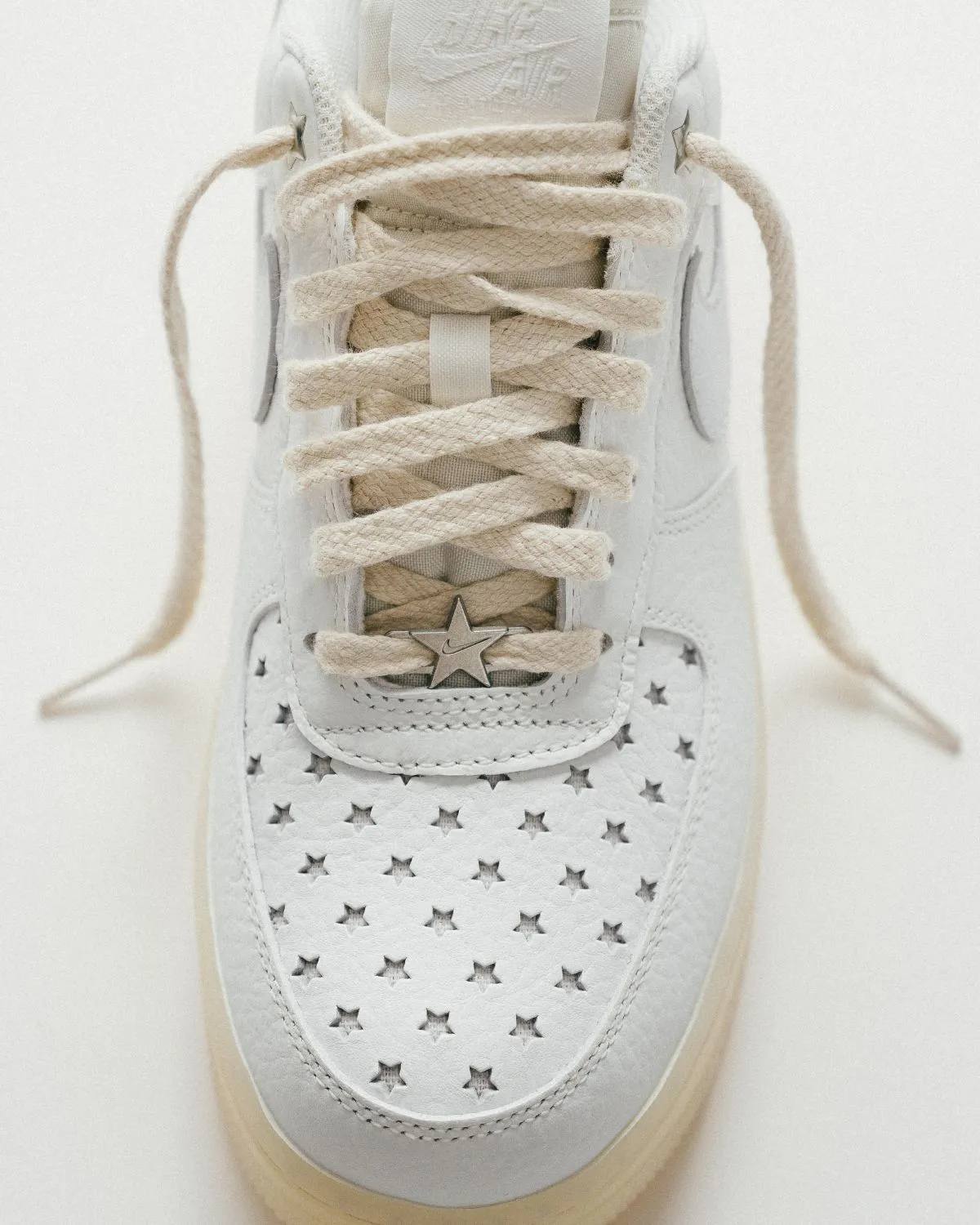
What followed was an era of reinvention. Virgil Abloh tore the model down to rebuild it with new meaning, while Nike explored new territory in-house: turning the AF1 into a platform sneaker, hiker, duck boot, and more. The Air Force 1 has never left the stage, but it has never played as many roles as it does today: a cultural chameleon that continues to shapeshift and show out in every corner of the game. Constantly reimagined, never out of style.