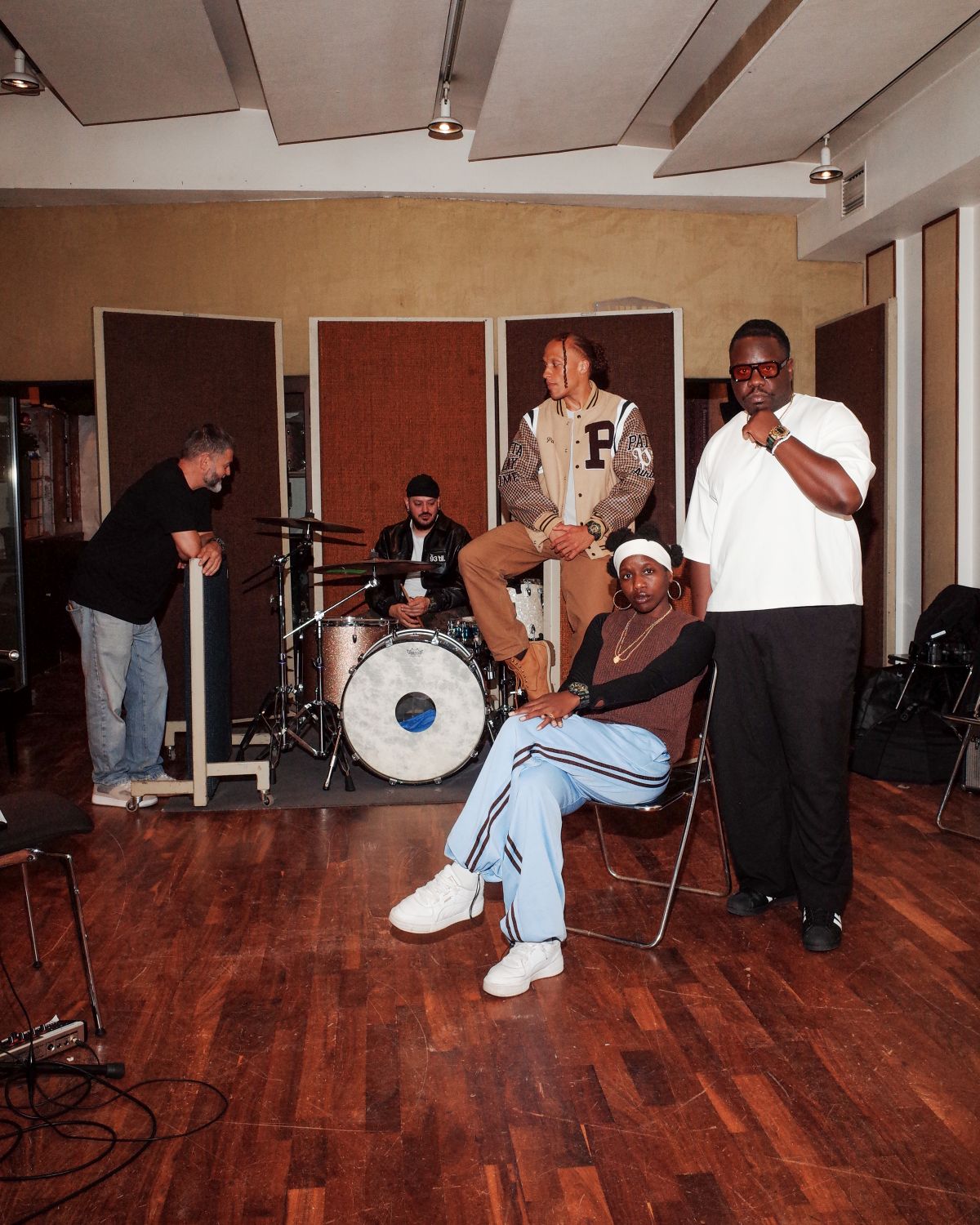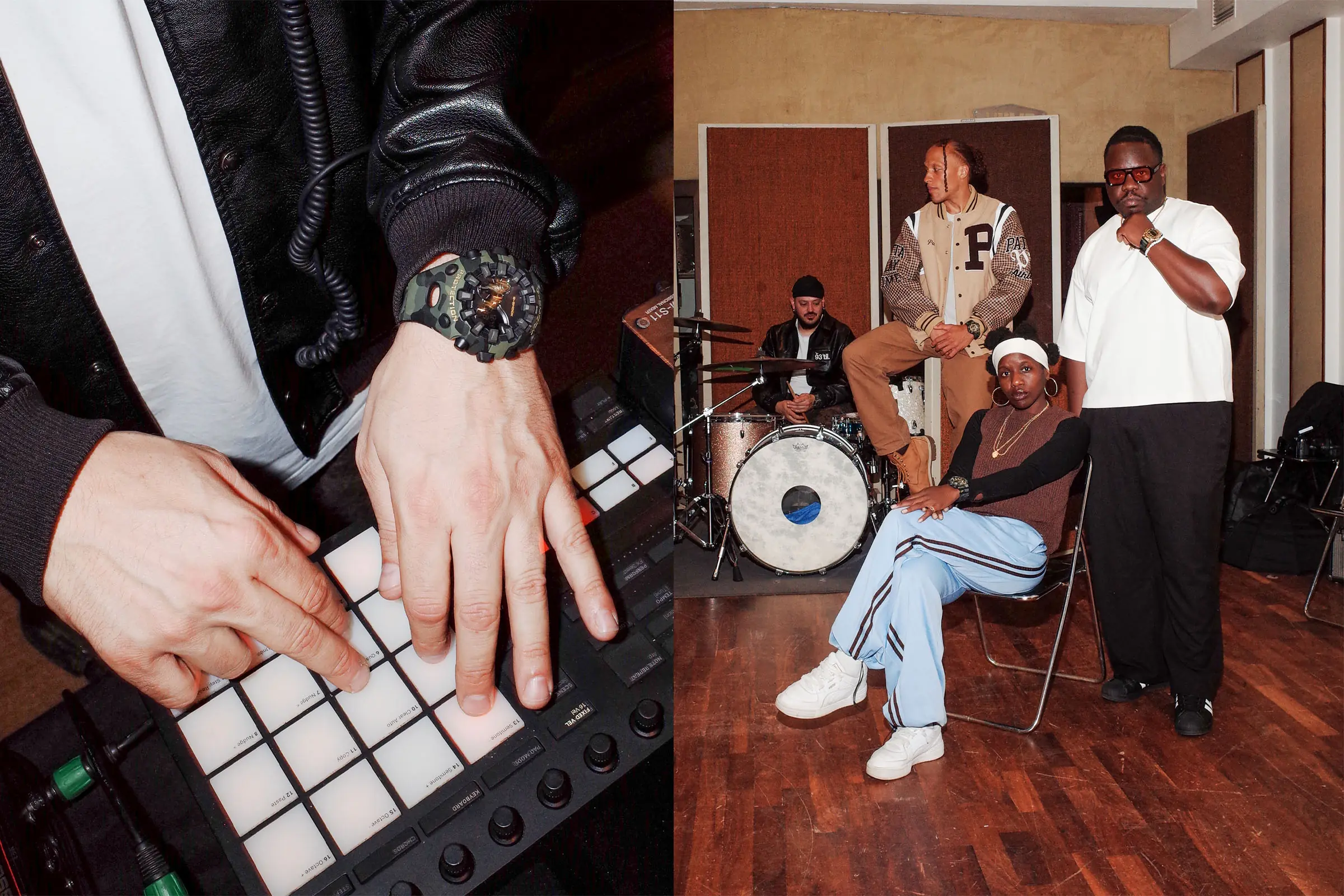
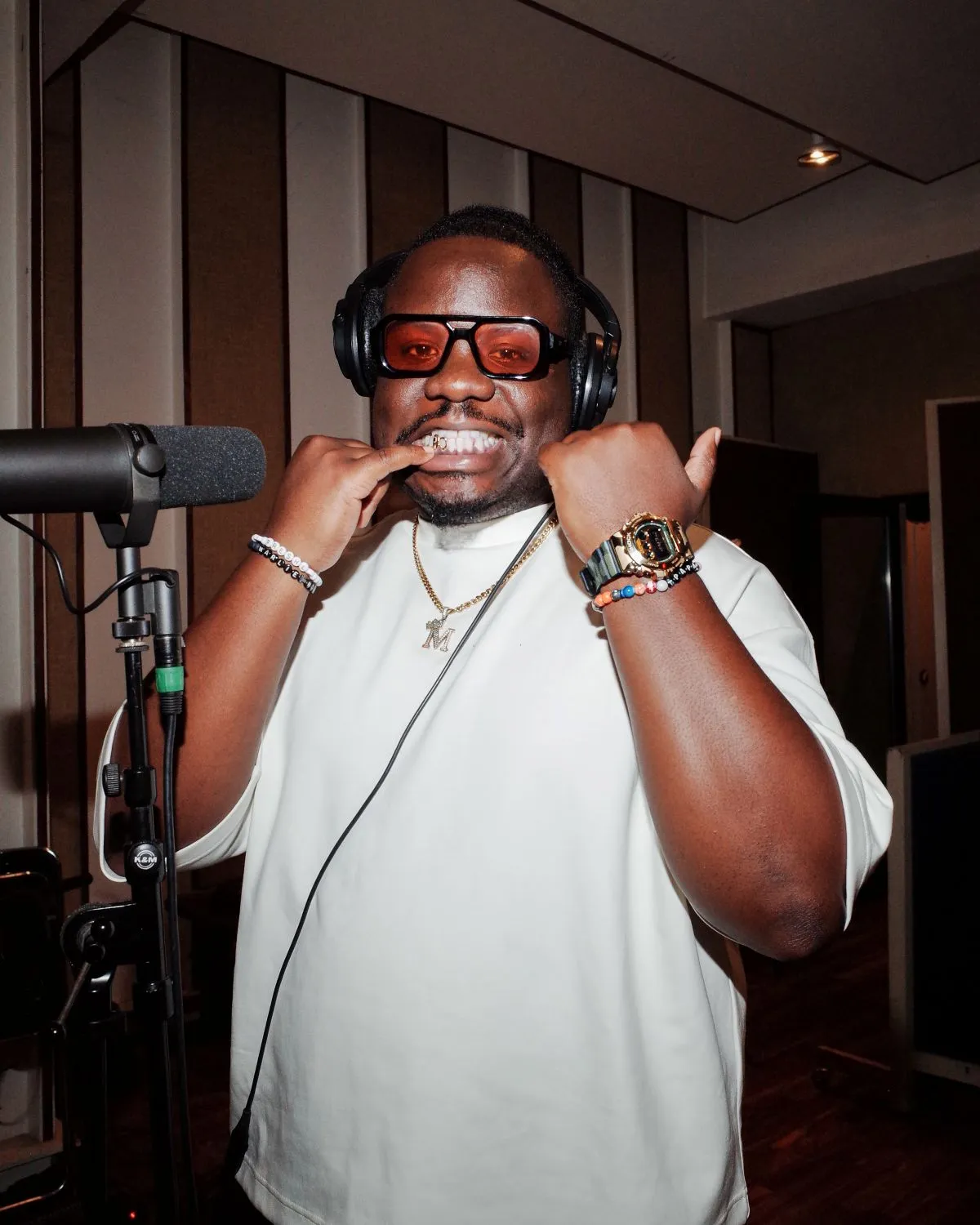
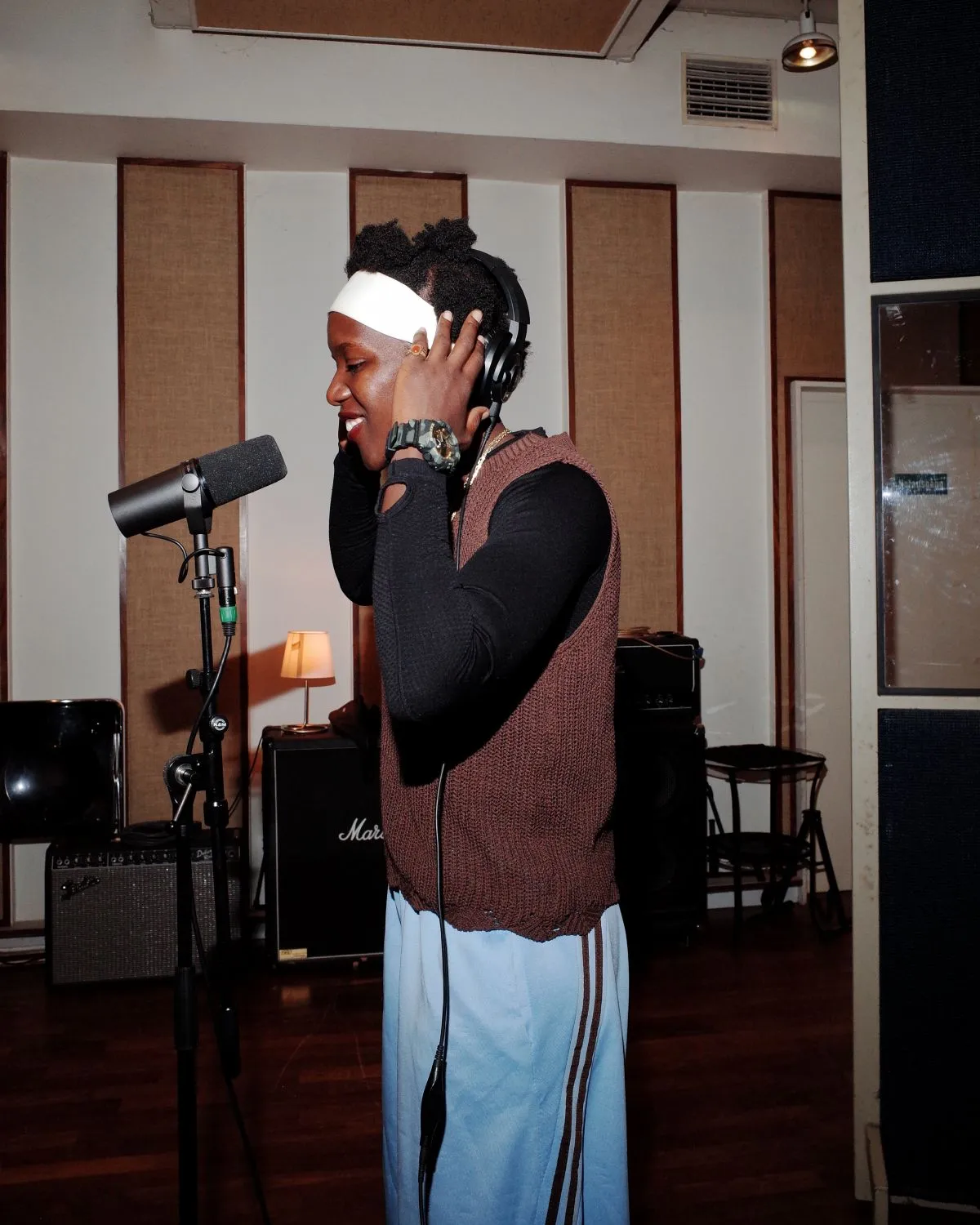
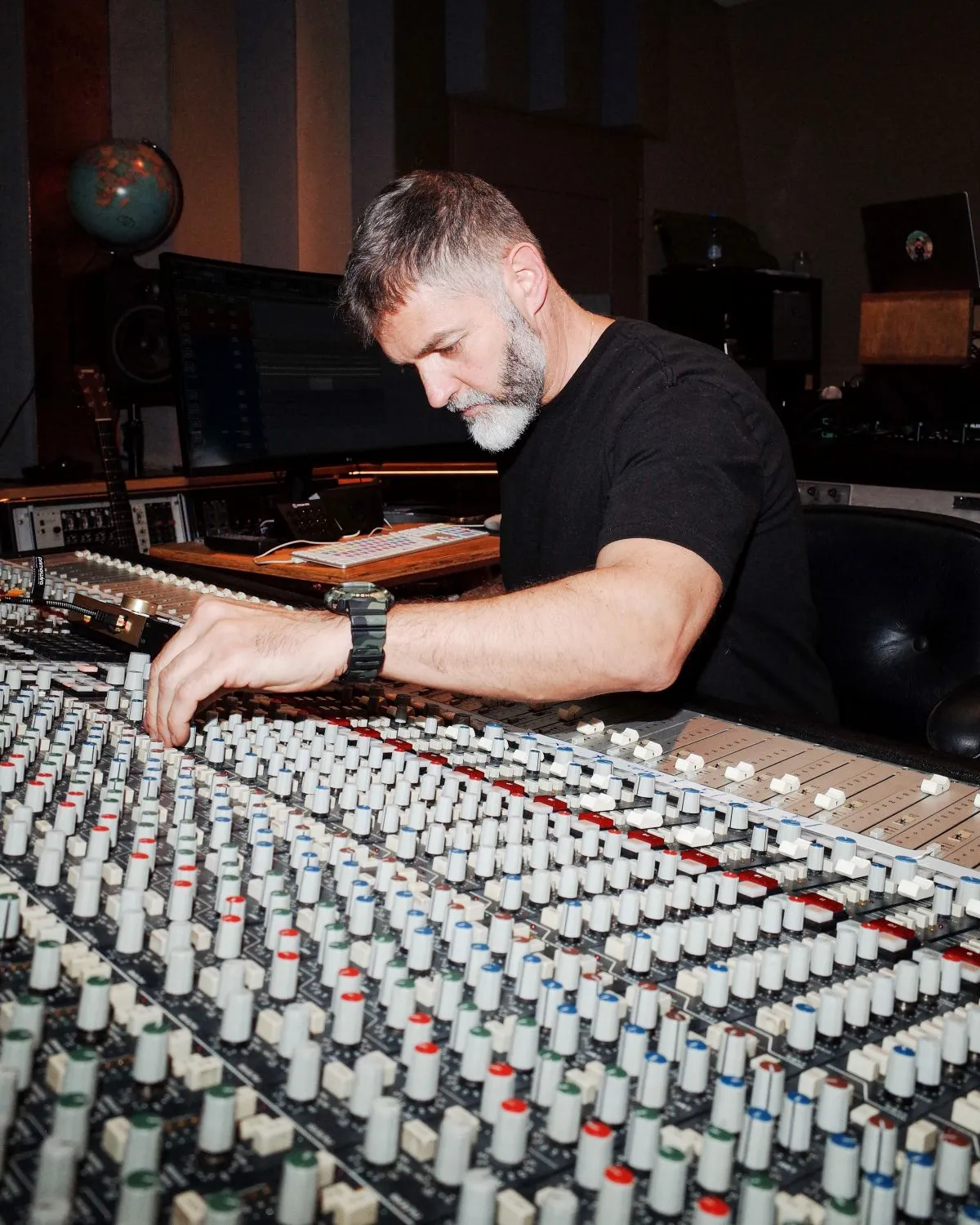
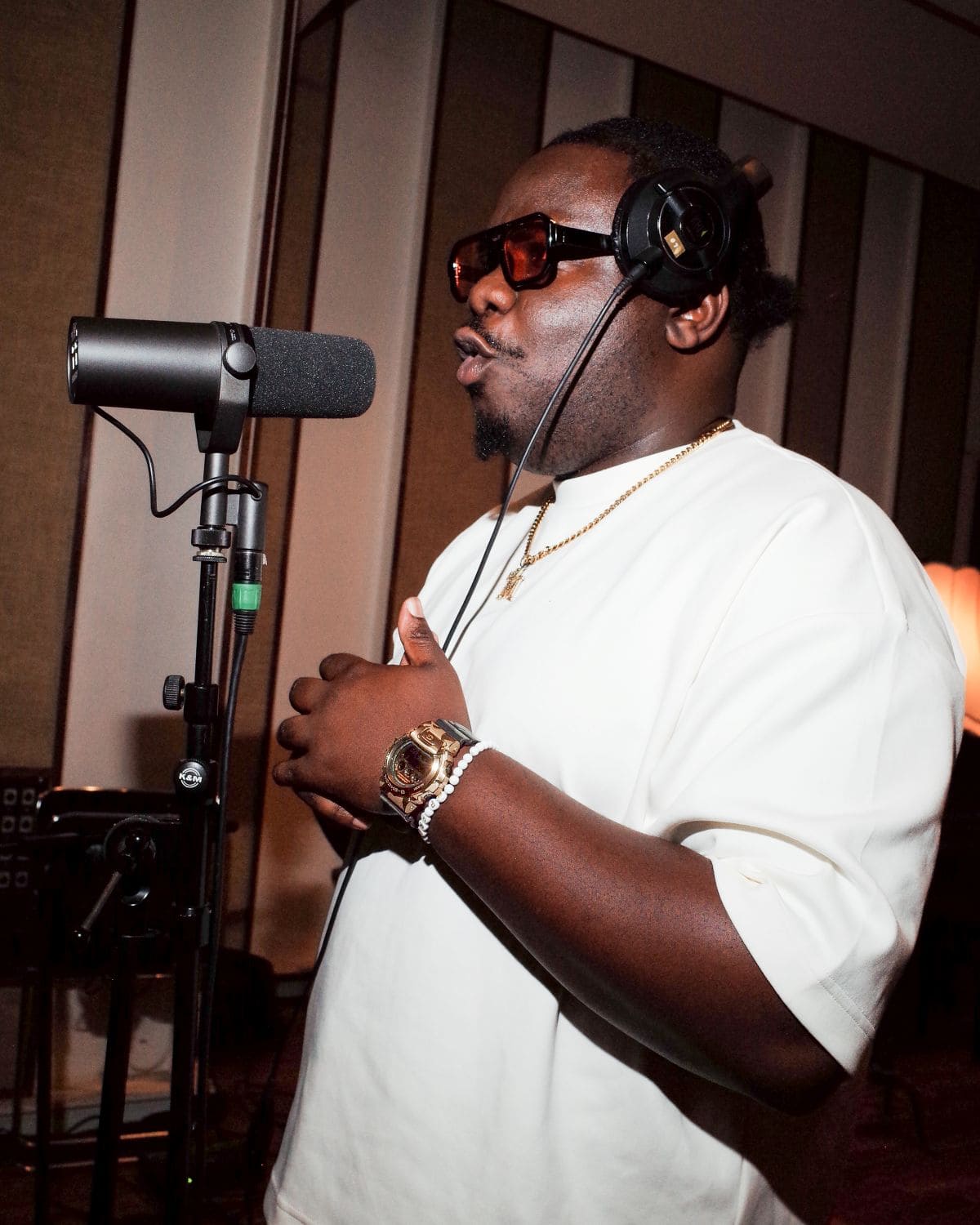
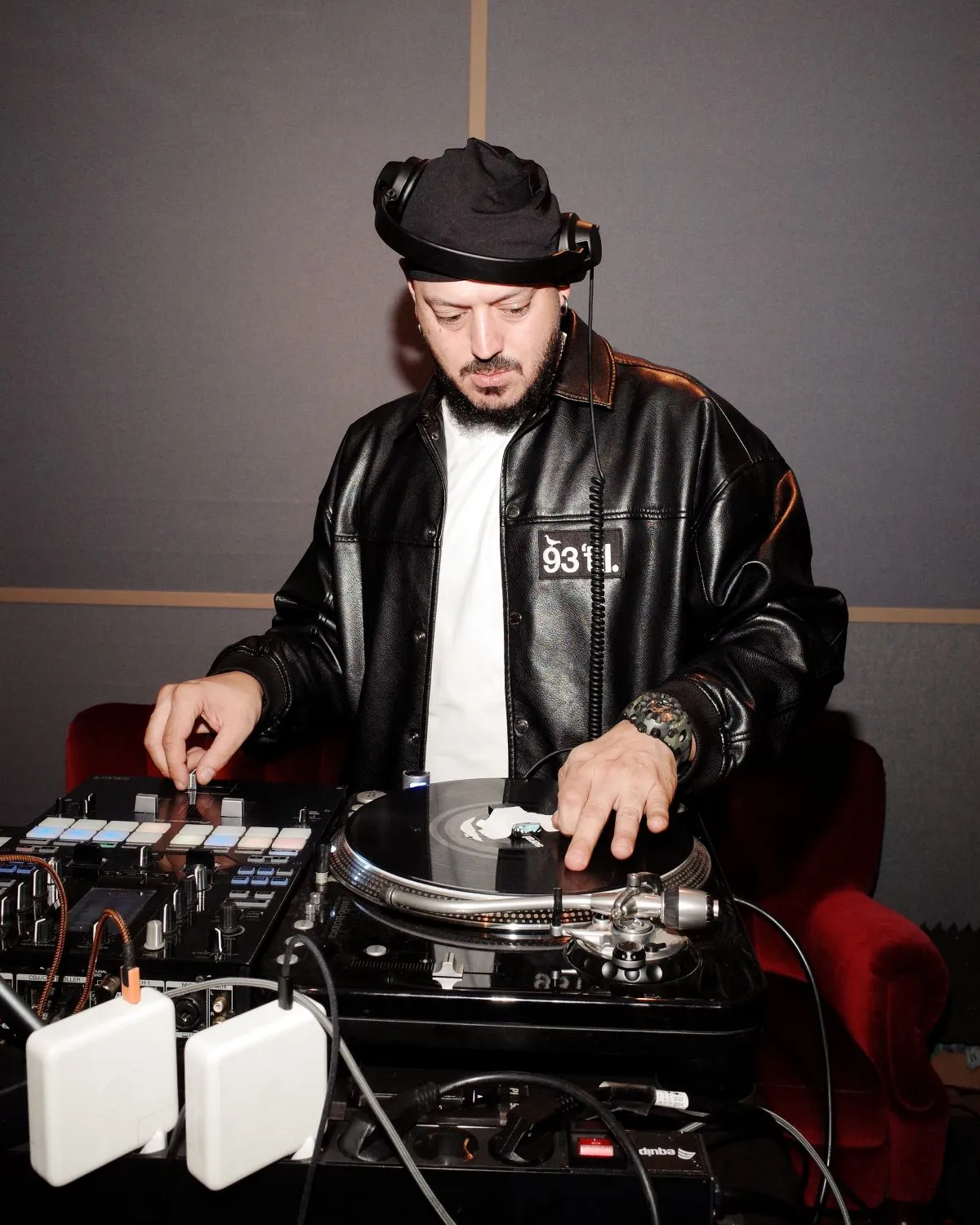
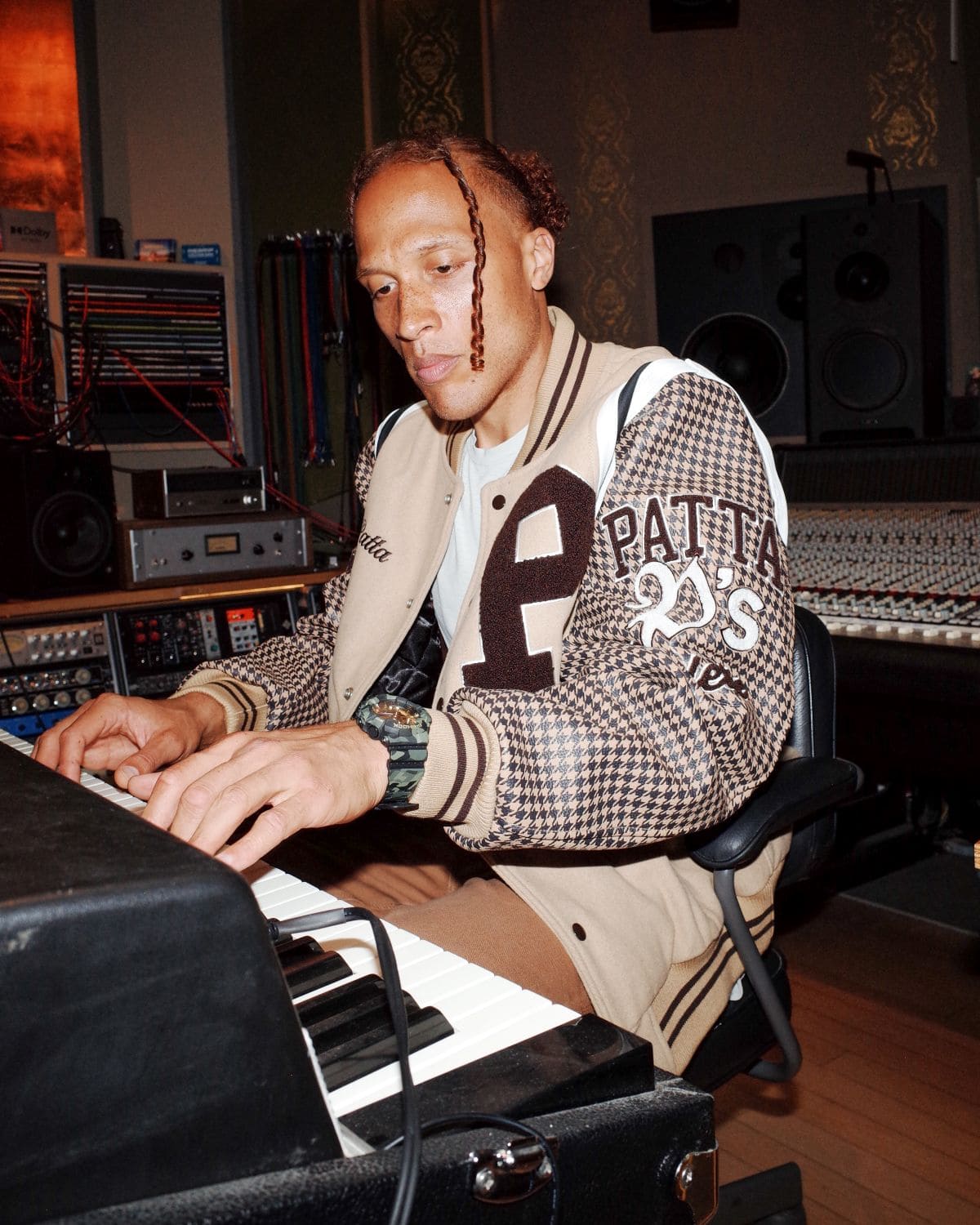
Some environments reveal a product more naturally than others. For the latest G-SHOCK Bold Camo collection, BSTN brought together rappers, producers and beatmakers MP Freshly, Die P, Redchild, George Brenner and DJ Just-A-Kid for a day shaped by creative exchange, musical collaboration and conversation. Because some things simply make more sense where they’re created.
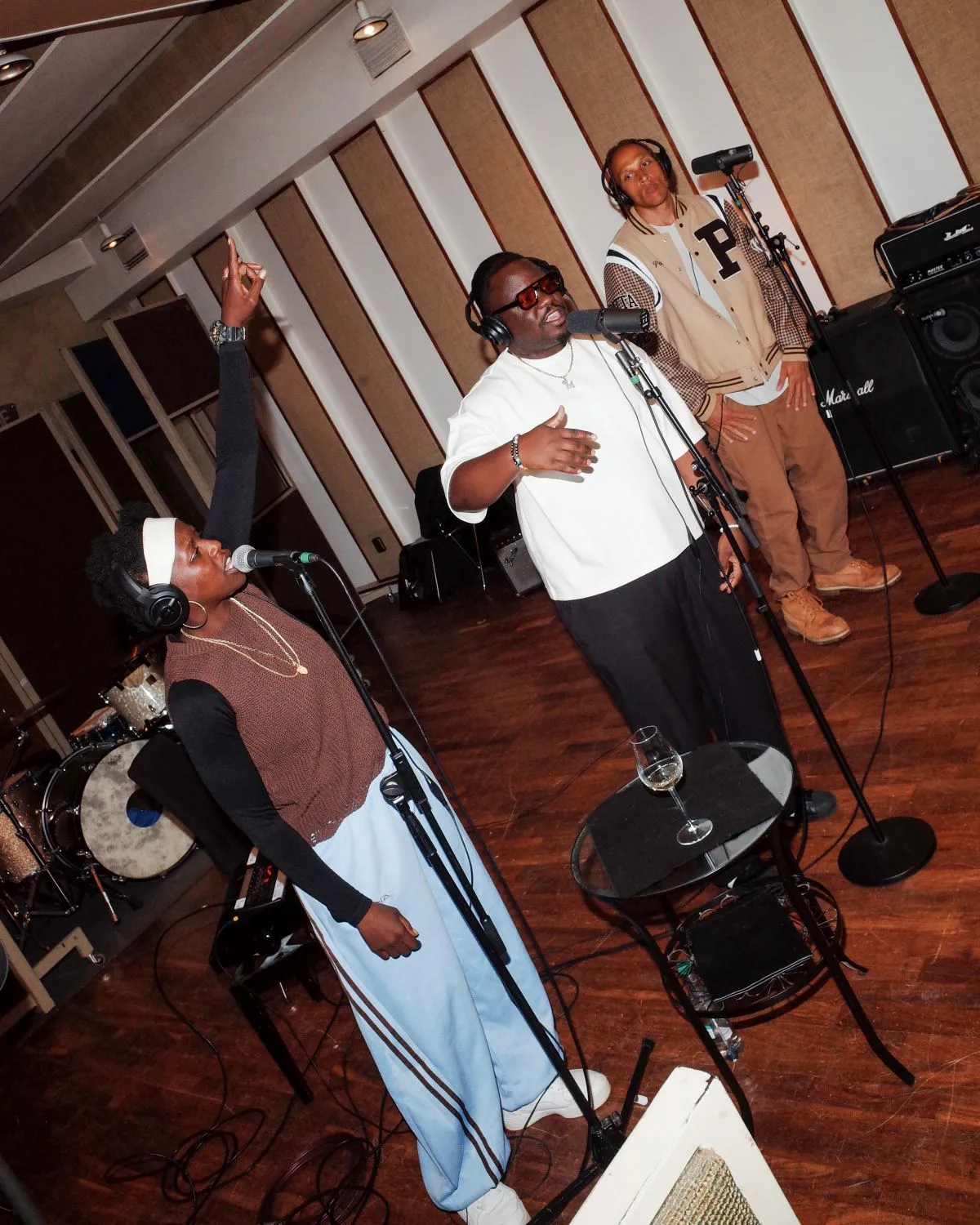
The accompanying editorial unfolds inside Hamburg’s renowned H.O.M.E. Studios, where ideas naturally turned into verses, beats and conversation: Between an open studio session, which quickly turned into a cypher, and an honest artist talk that we’ll let speak for itself below, the day became a snapshot of creative exchange in its purest form:
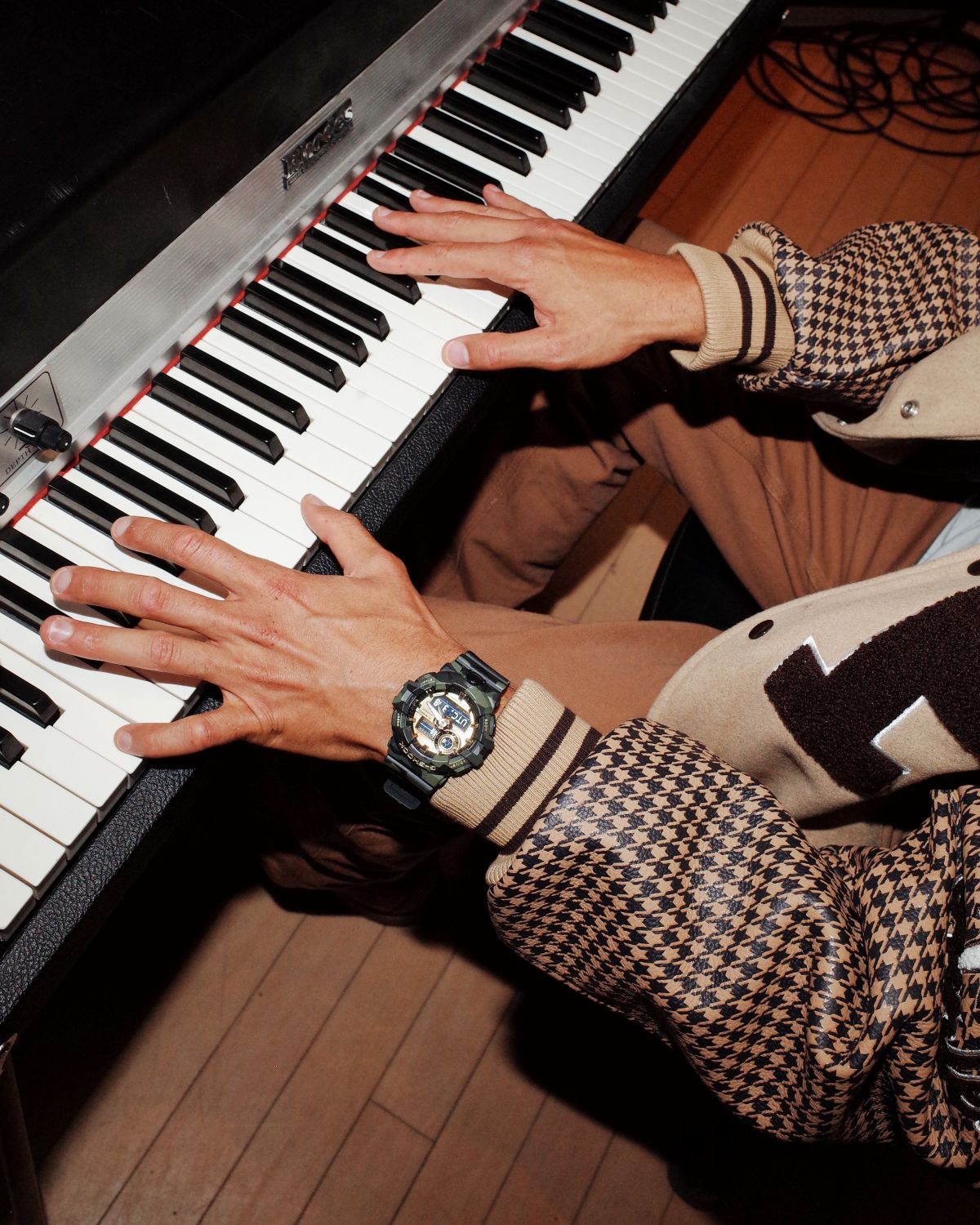
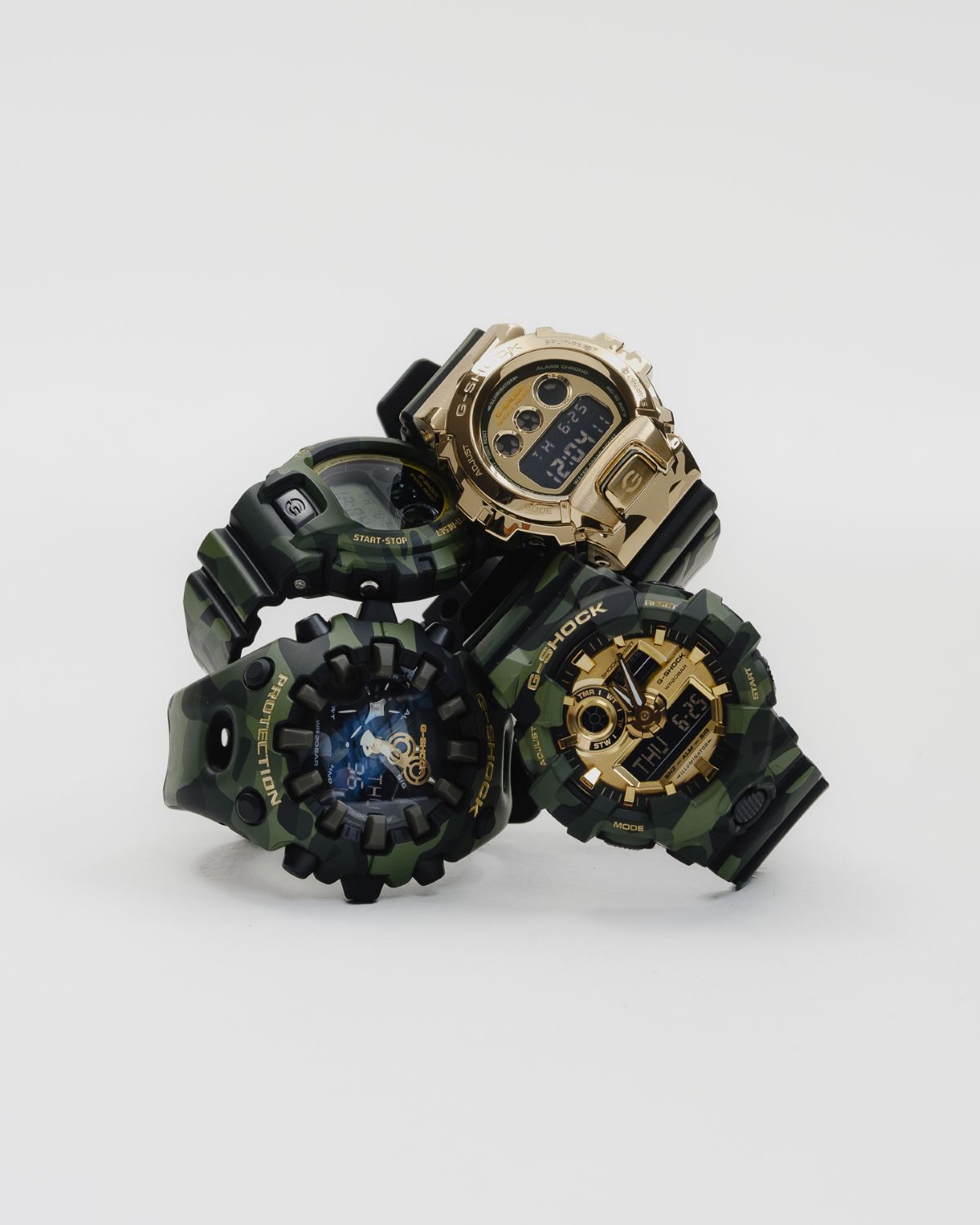
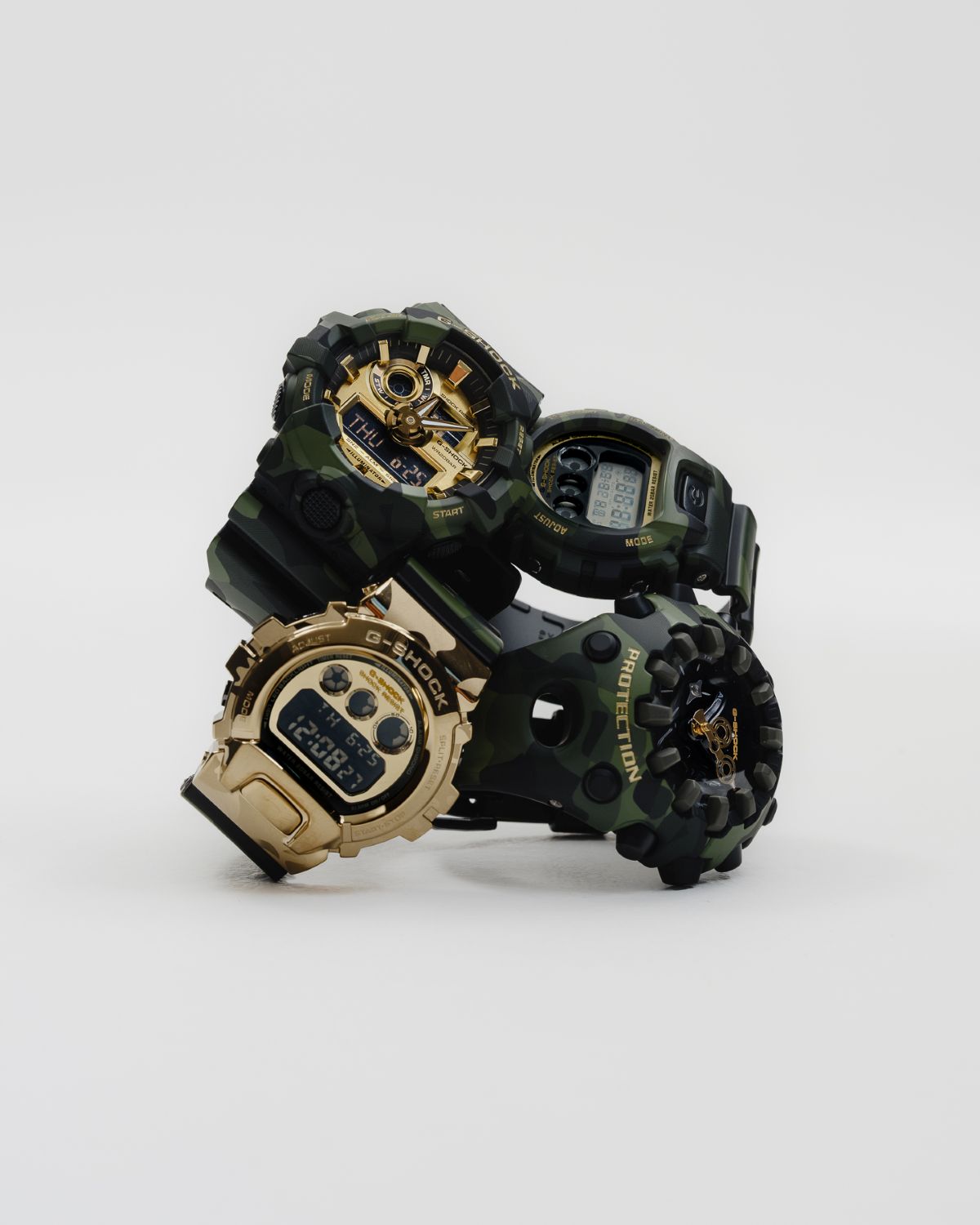
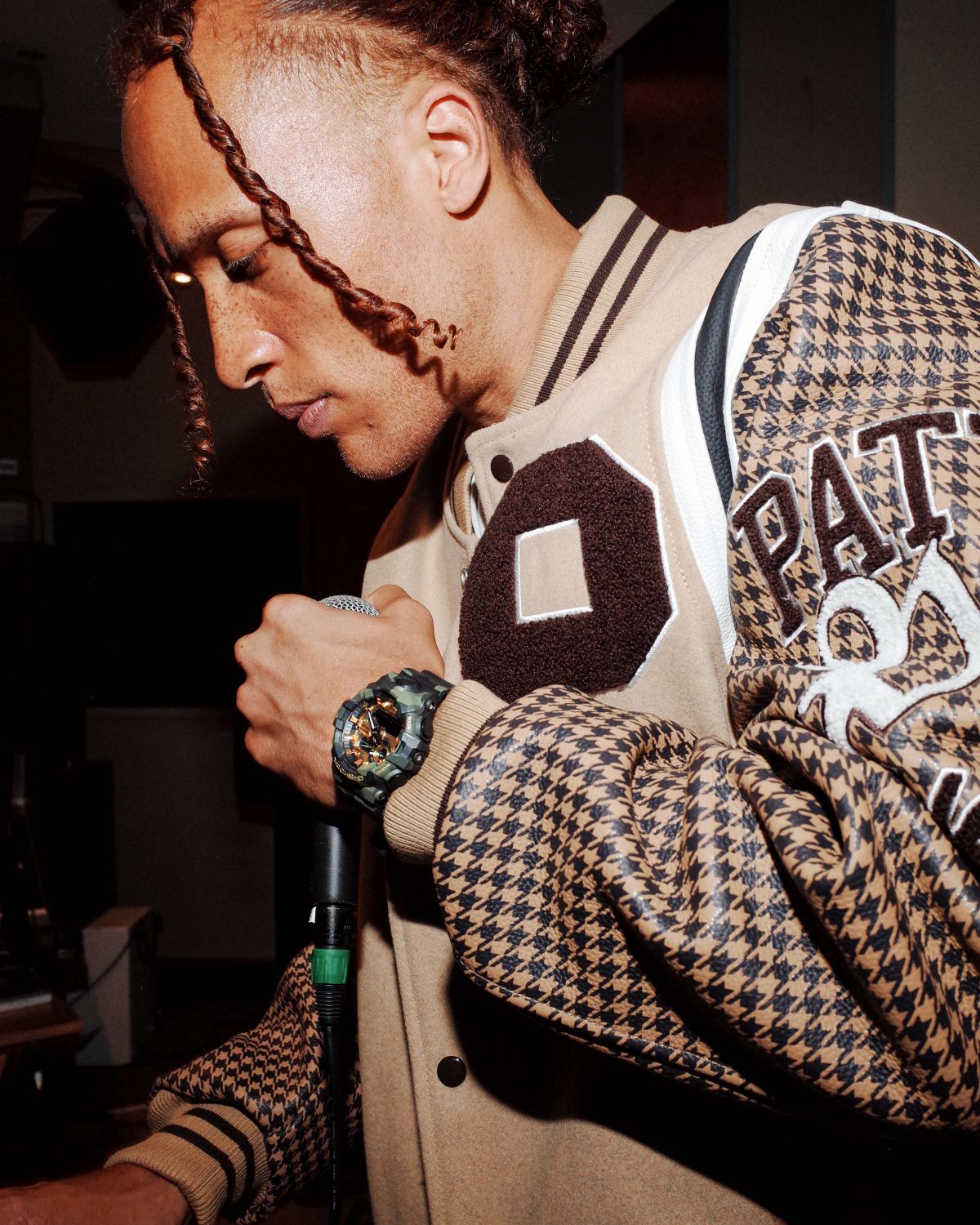
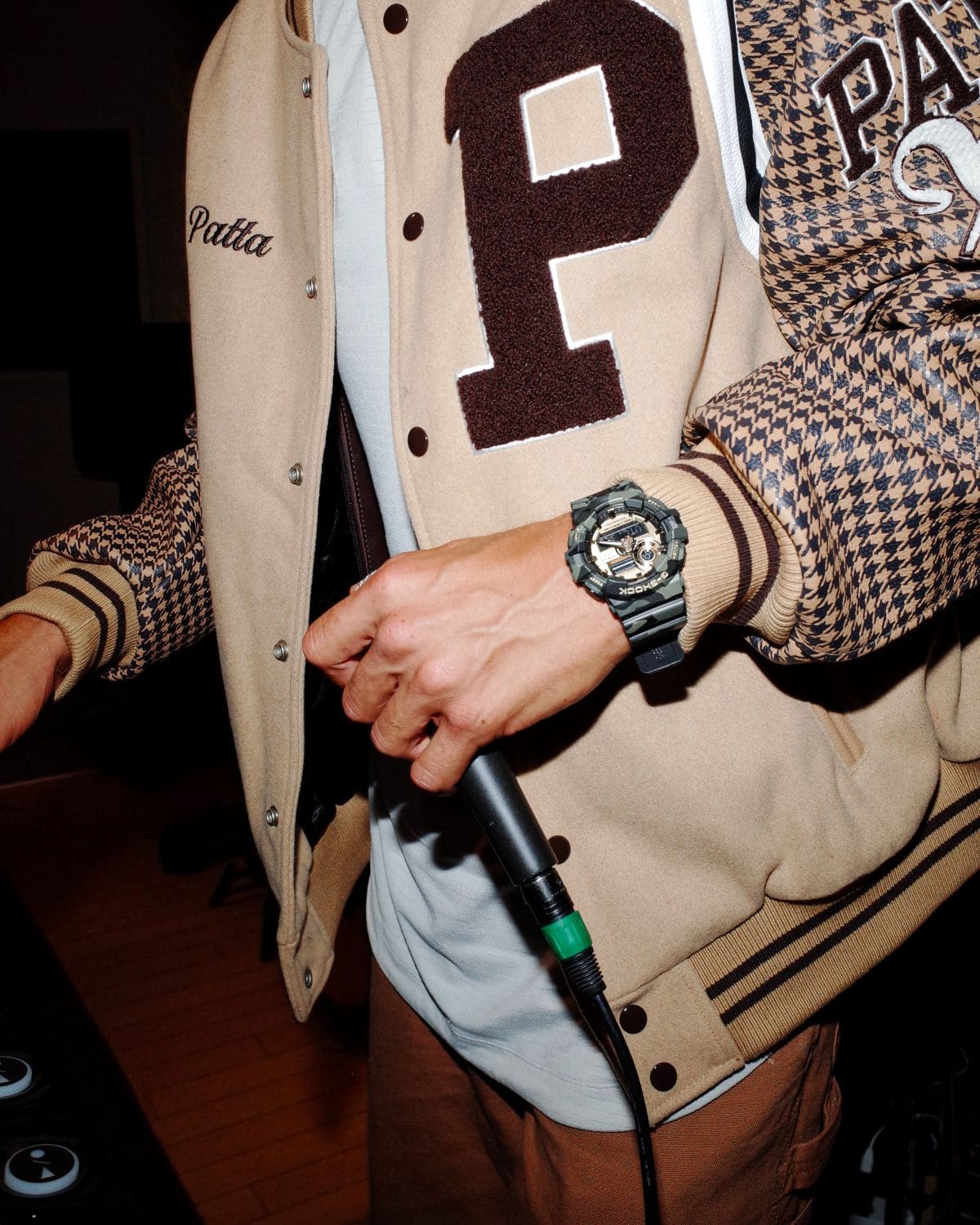
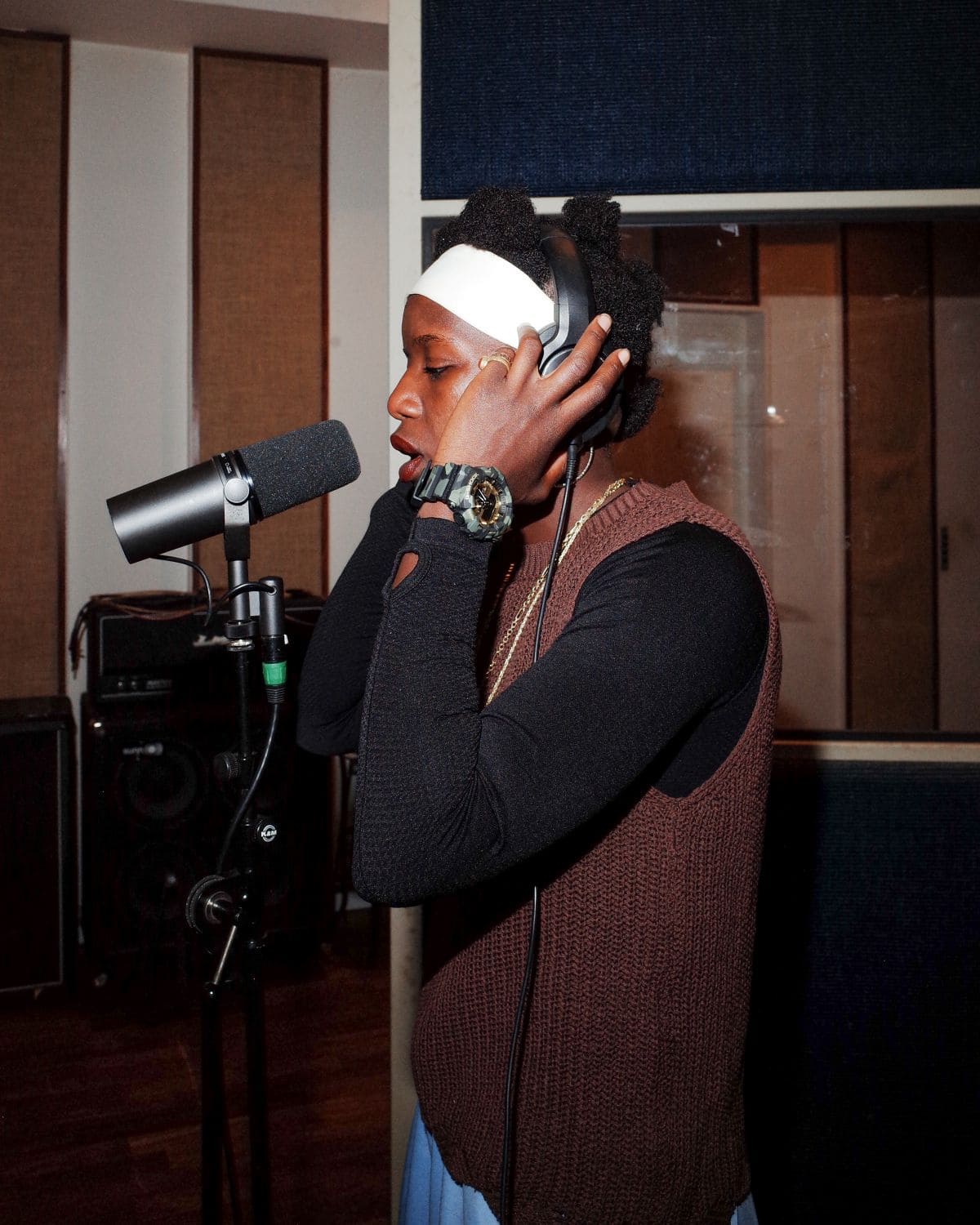
Along for every beat: the G-SHOCK Bold Camo collection. Worn throughout the session, the timepieces naturally became part of the creative process. Much like every great collaboration, the collection balances contrast: a camouflage pattern subtly hiding a signature “G”, paired with a bold visual identity that refuses to disappear. Because the strongest creative voices know when to blend into the moment – and when to make it their own. As the session proved.
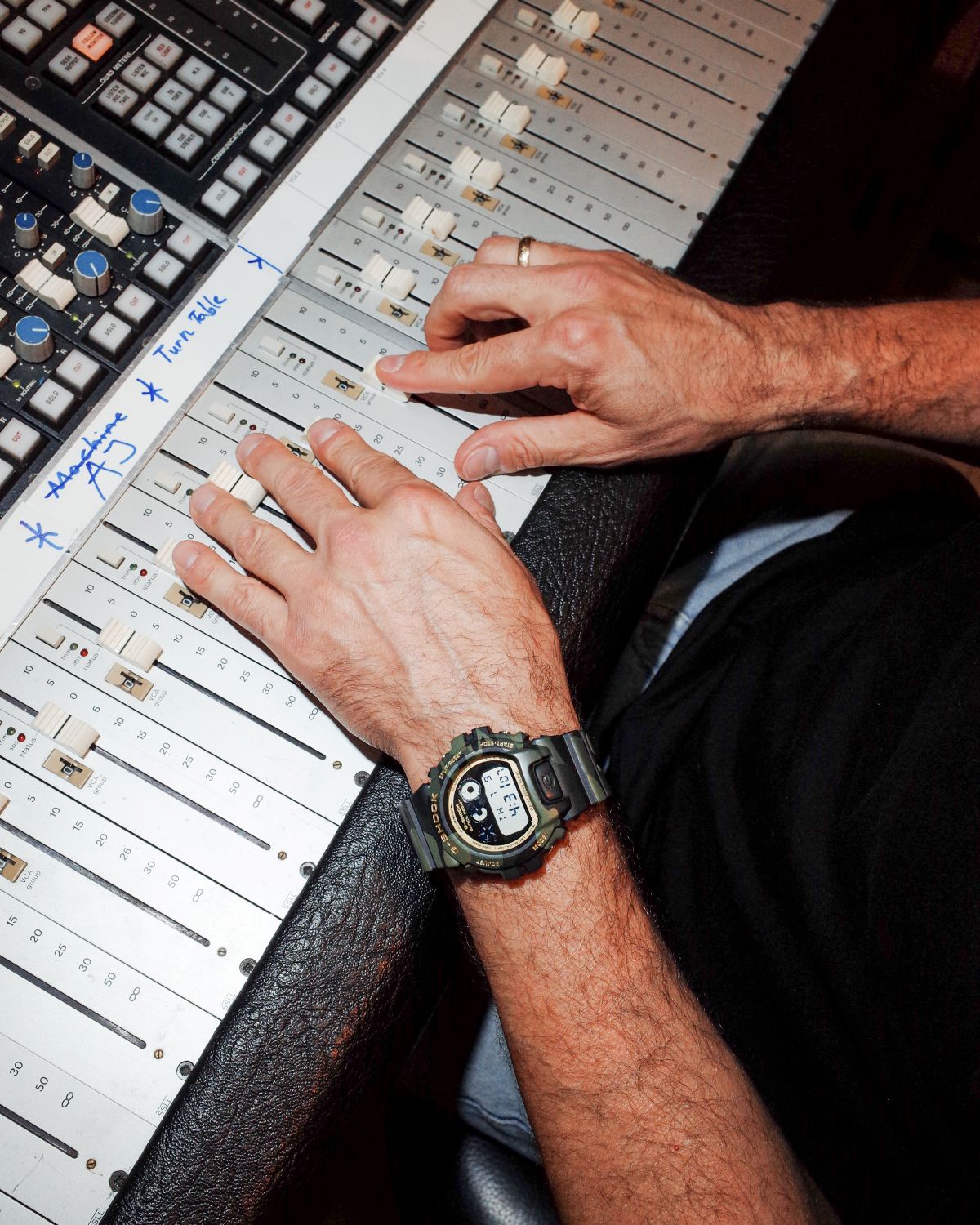
The G-SHOCK ‘BOLD CAMO’ collection, including the GM-6900CMG-3, DW-6900CMG-3, GA-700CMG-3 and GA-V01CMG-3A, is available at BSTN now. Pick up your favorite via the link below!
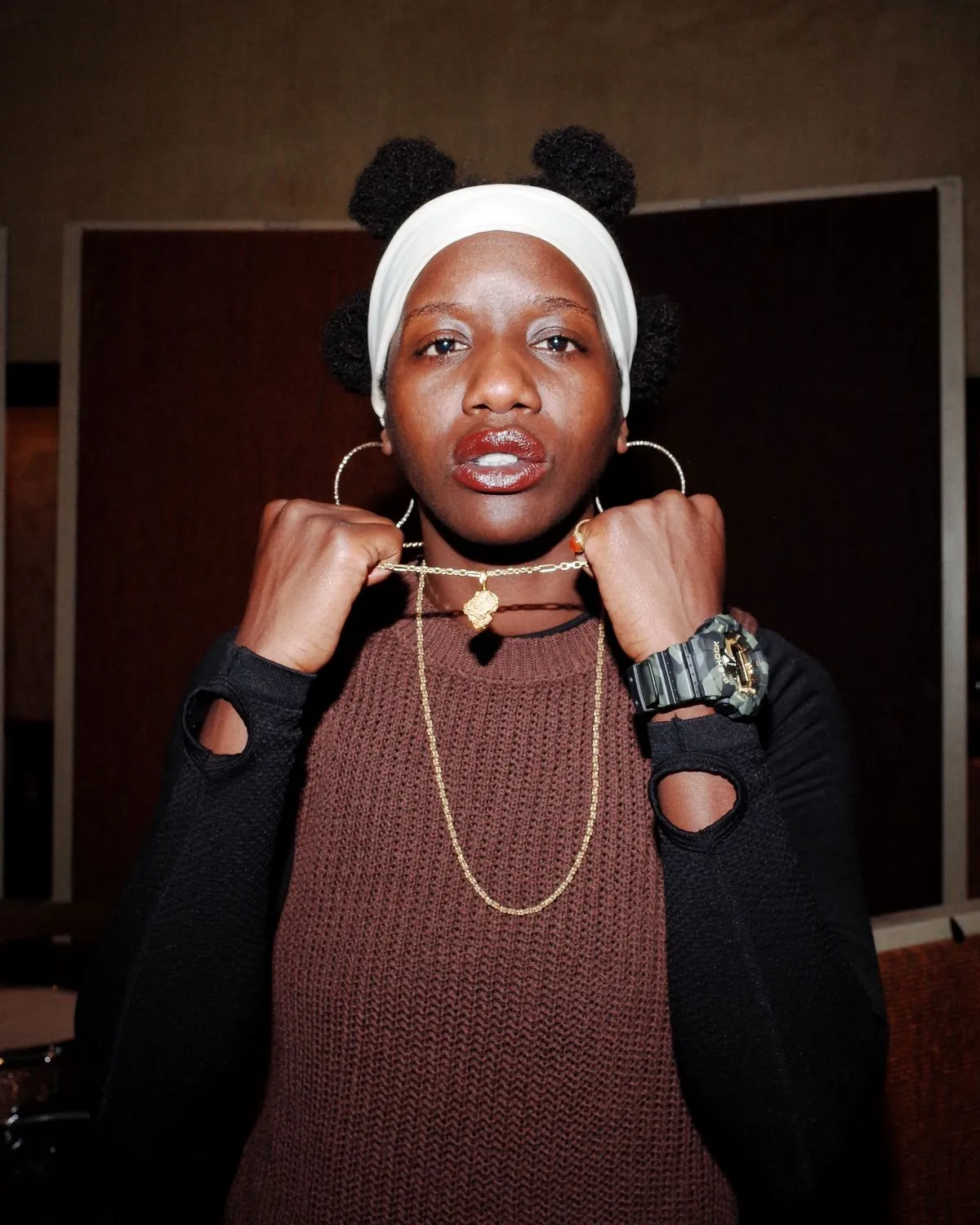
Following the cypher, rappers Redchild, Die P and MP Freshly, DJ Just-A-Kid, and producer, mixing engineer and songwriter George Brenner sat down for an intimate conversation about artistic vision, finding your own voice and everything that comes with it. Here’s how the conversation, hosted by Redchild, unfolded:
ABOUT BUILDING THE RIGHT VIBE
Redchild: George, from a producer’s perspective: what’s the biggest challenge when you’re working with artists?
George Brenner: Honestly, I’d say it’s the human side of things. There are producers who are technically incredible, but personally… [laughs] they’re not exactly easy to be around. And if the vibe between the artist and the producer isn’t there, there’s no magic.
At the end of the day, it’s not about performance. This isn’t gymnastics, it’s rap. Sure, you can rap insanely fast, but if it’s all technique and no feeling, people won’t feel it. That’s why you have sessions where you spend the first two hours just playing table tennis or having a light therapy session [laughs] before you even make a song. That’s when you find out whether you actually connect or not.
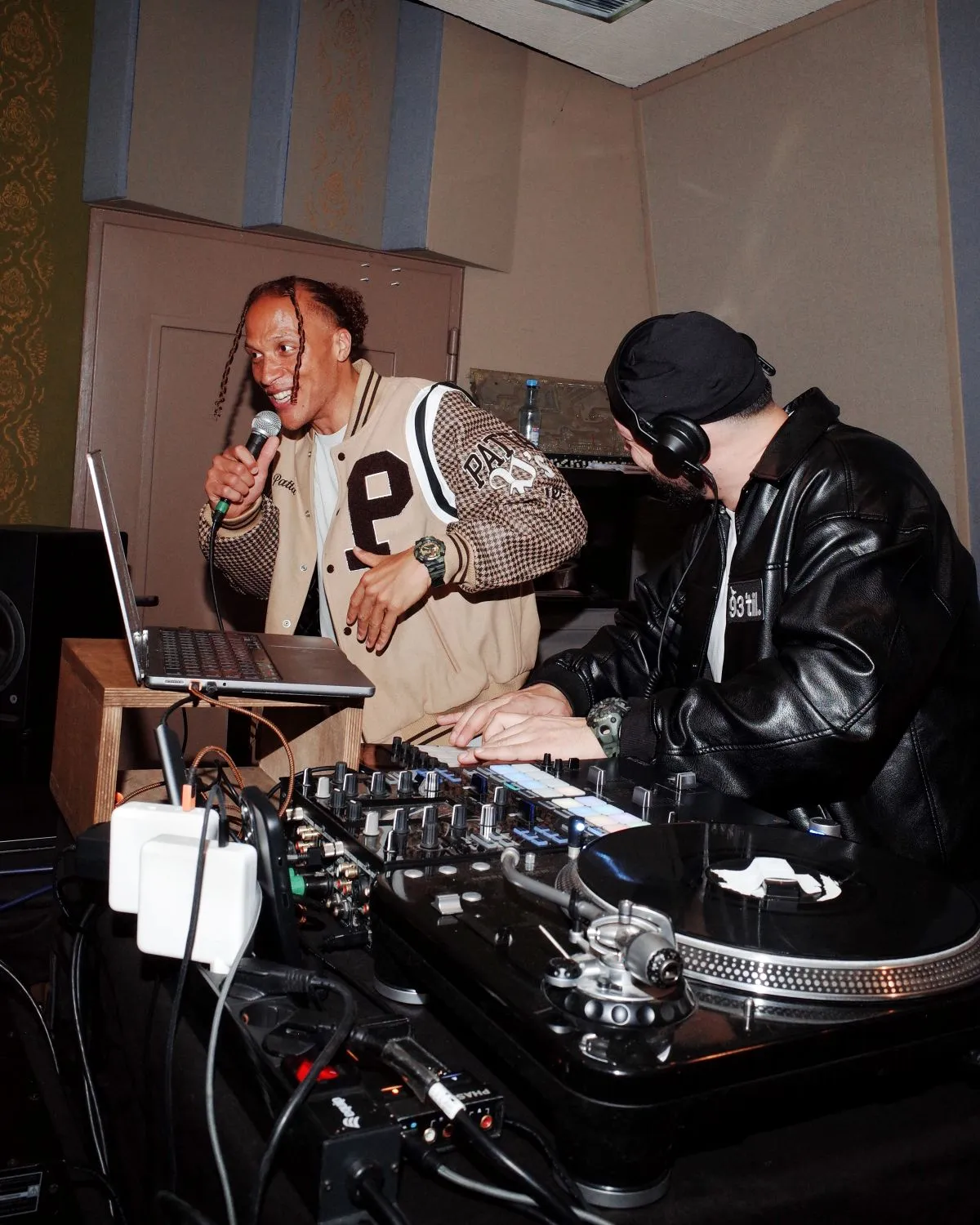
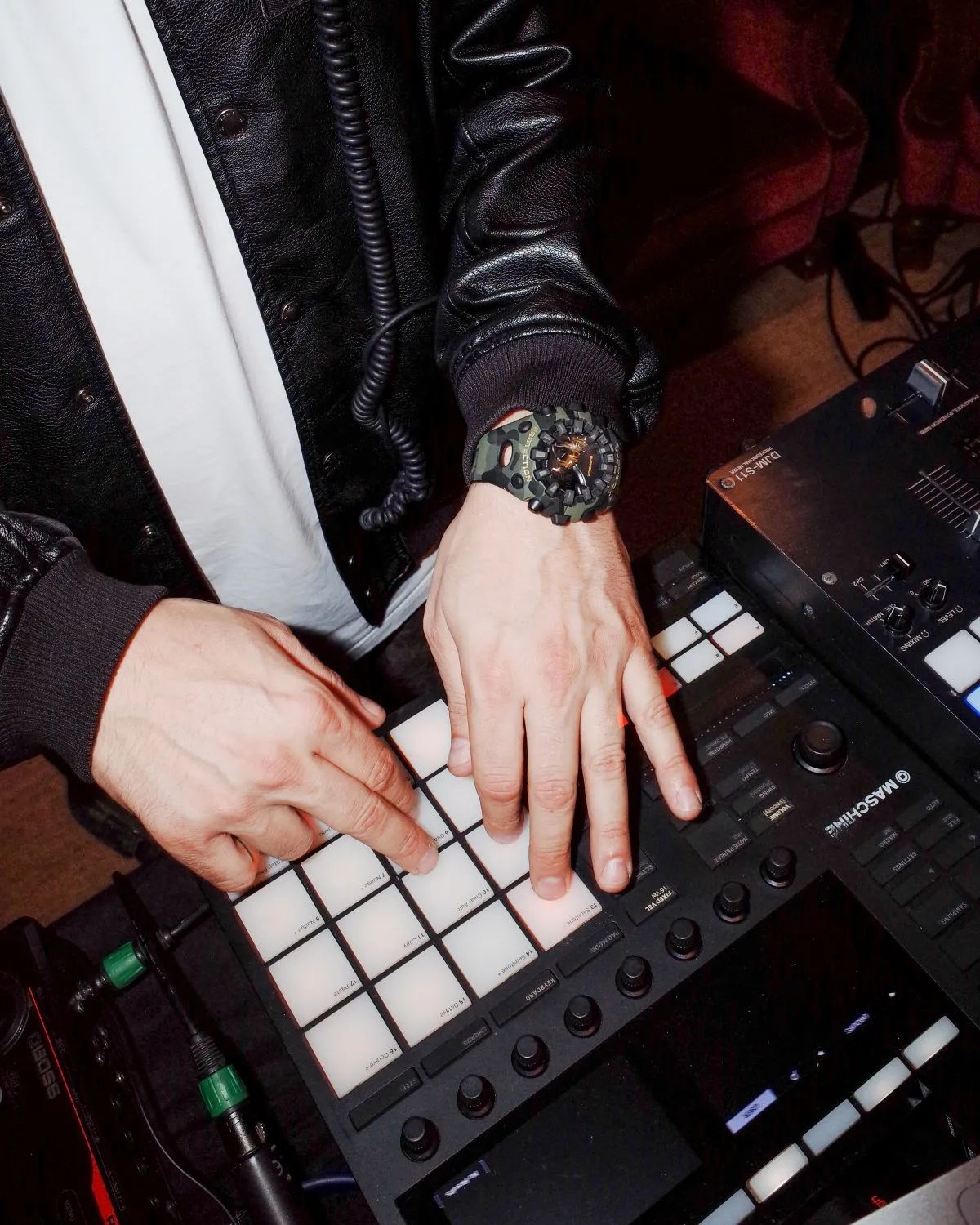
Redchild: DJ Just-A-Kid, what do you enjoy most about creating with other people?
Just-A-Kid: Definitely reflecting on yourself – recognizing your own mistakes, then growing together from there. It feels like leveling up in a video game. Suddenly the artist you’re working with pushes you to another level, and… I don’t know, I just love that feeling of growing together and feeding off each other’s energy.
ABOUT BEING MORE THAN A RAPPER
Redchild: One for all the MCs and producers in the room, as not every rapper is automatically an MC. What’s the difference between the two to you these days?
Die P: If you write your own lyrics, you’re an MC. There are probably other qualities that have to come with it, but to me, being an MC means really caring about lyricism. And when it comes to ghostwriters: even if you don’t write every single word yourself, what you’re saying should at least reflect who you are. But honestly, writing your own lyrics should be the bare minimum if you want to call yourself an MC.
MP Freshly: It’s crazy to me that we’re even questioning whether people write their own lyrics these days.
Die P: And you’ve got to deliver live on stage. An MC can be both an MC and a rapper, but there are plenty of rappers today who just aren’t MCs anymore.
Redchild: These days, a rapper is almost like an instrument. It’s not really a cultural role anymore. You have rap verses in pop music, in rock… But when I think of a real MC, I think of someone like James Brown. A true Master of Ceremonies. Someone who owns the room and brings everybody into the experience. That’s a cultural role. A rapper writes lyrics and performs them, whether that’s in the studio or on stage. But that doesn’t automatically mean they can move a crowd or connect everyone in the room.
George Brenner: Back then, nobody started rapping because they thought, “I’m gonna get rich.” There were completely different reasons.
Die P: Well… actually, some probably did. [Laughter in the room] But the love always came first, way before the money. First came empowerment. Self-fulfillment. Finding your voice. Becoming more confident. Finding your community, your people, your network. After that, at some time, it’s about the money though. [laughs]
ABOUT GETTING PAID WITHOUT LOSING YOURSELF
George Brenner: You’re all trying to stay true to your art while making a living from it. How much do trends actually influence what you do? Is that something you think about?
Die P: I’ve set certain principles and boundaries for myself that I’d never cross. Once you know how far you’re willing to go for money – and you realize you can actually make a good living without selling yourself – the two can absolutely coexist.
I’ve been doing this music thing for more than eight years now, and I’ve never sold out. Honestly, I think all the times I said no have taken me further than the times I said yes. I truly believe that.
Redchild: The balance between commercial success and artistic success is something everyone has to answer for themselves. For me, rap was the gateway that opened so many doors. Three different record labels offered me deals. The first one passed because they felt they already had an artist in my lane. The second fell through because of COVID. The third was a 360 deal, and I would’ve had to sell my soul, my name – basically everything.
Less than two years later, I was making more money performing and working as a live MC than that record deal would’ve paid me as an advance. Suddenly I had become my own major label, at least financially. And don’t even get me started on streaming: if I sell one of my vinyls for €30 – at €15 production costs, with €15 profit – that’s worth about as much as 50,000 streams.
ABOUT KEEPING THE VISION YOURS
Redchild: One thing I’ve experienced as an independent artist is how quickly people project their own insecurities onto you. They can’t imagine doing it themselves, so their fears suddenly become yours. How do you deal with that?
MP Freshly: I always say you’ve got to have that mindset: “I’m the shit.” Like, “I’m the best, and none of you can tell me otherwise.” If you’ve got that attitude, you can make anything happen. When I first started rapping, some people from my hometown laughed at me. So I told myself, “Alright, if I’m doing this again, I’m not telling anyone. I’ll just do it.” Then I dropped my first single. None of my boys even knew I was rapping – they were all shocked. And then they realized: “Damn, he’s actually serious about this.”
The doubts usually come from people on the outside because they couldn’t see themselves doing it. It’s not their dream – it’s yours. But once you make it, those are the exact same people saying, “Man, I’ve believed in you from day one.”
Redchild: Yeah, exactly. “Bro, I knew it before you were even born!”
MP Freshly: That’s just how it goes. You just have to keep pushing.