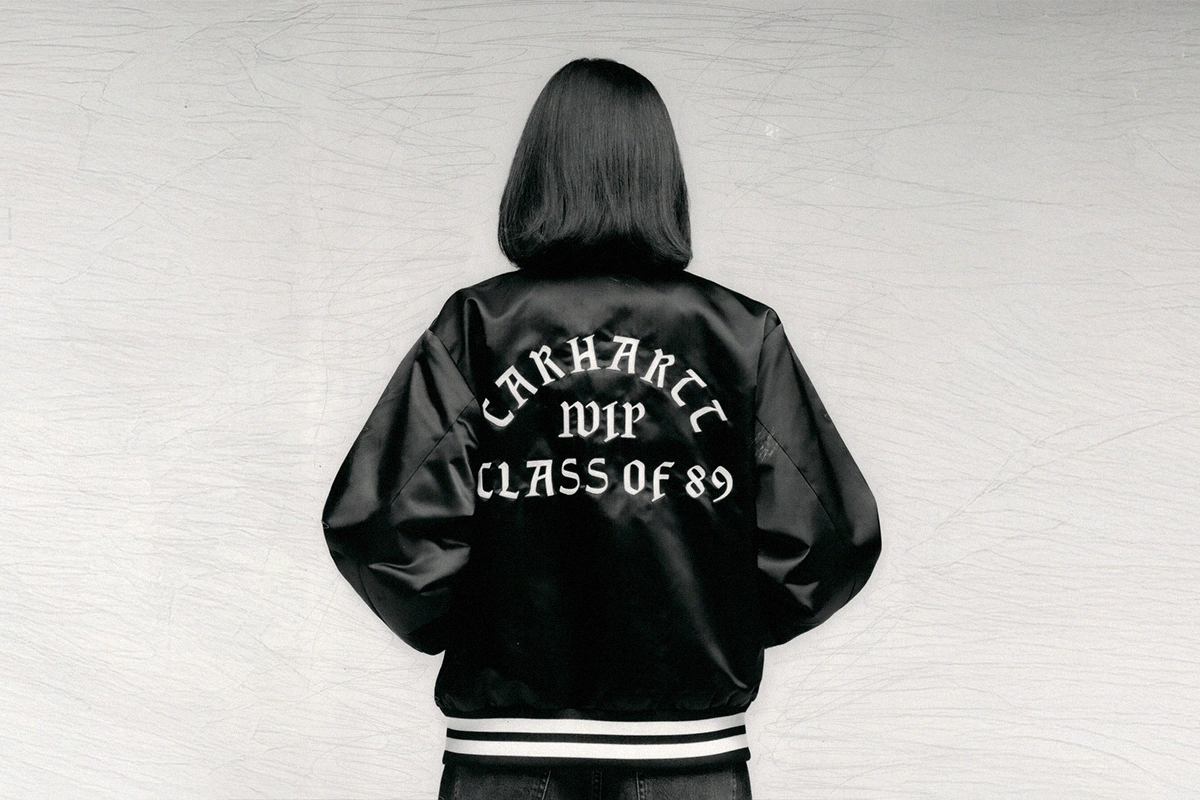
First things first: Carhartt WIP isn’t Carhartt (but kind of). Let’s go back in time for that one: Carhartt started as a workwear label in Detroit back in 1889, founded by Hamilton Carhartt with a simple mission: make clothes that could endure the toughest conditions. Over a century later, Carhartt Work In Progress – established in 1994 and essentially Carhartt’s more fashion-forward European sibling – took that DNA and translated it into an universally spoken streetwear language.
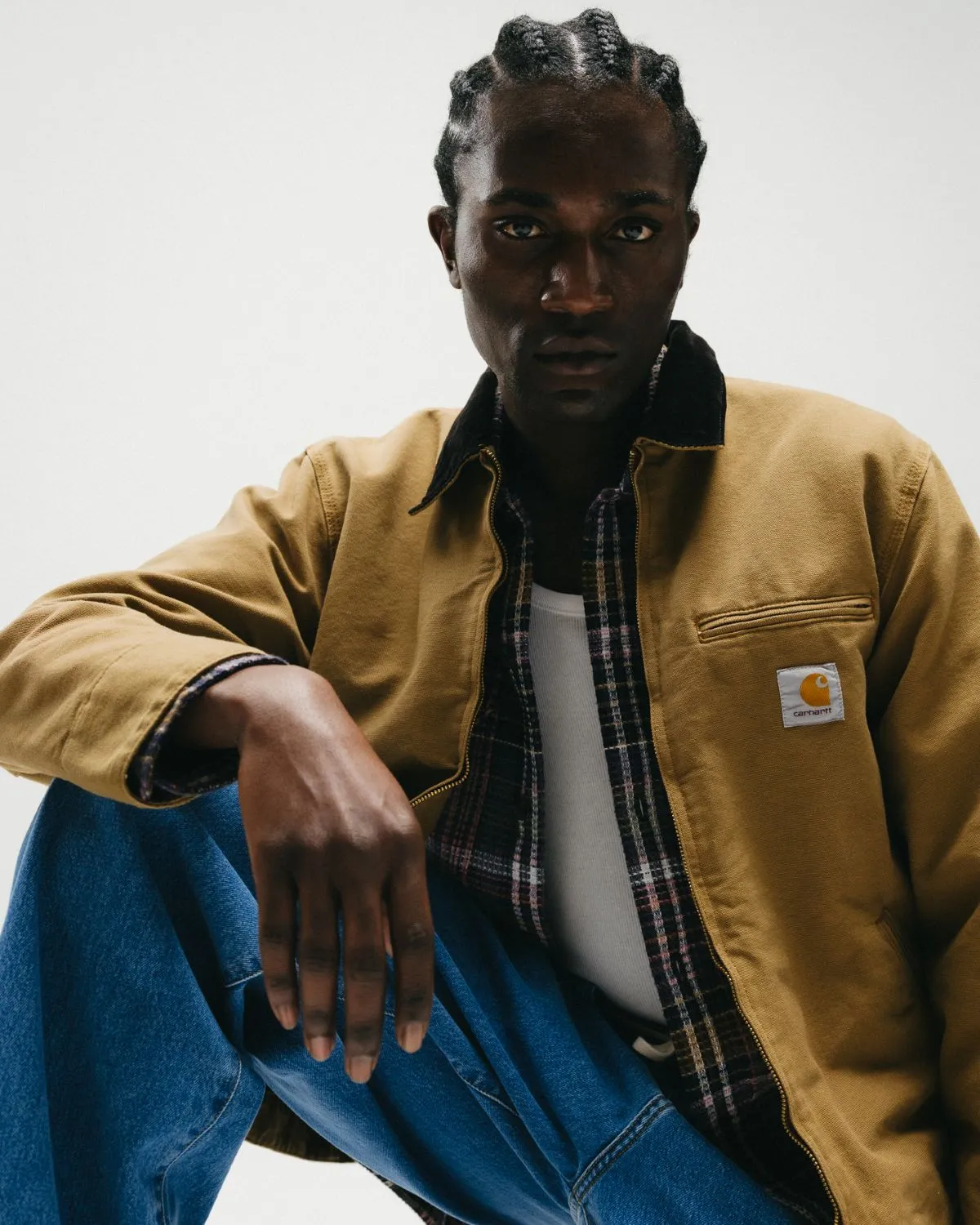
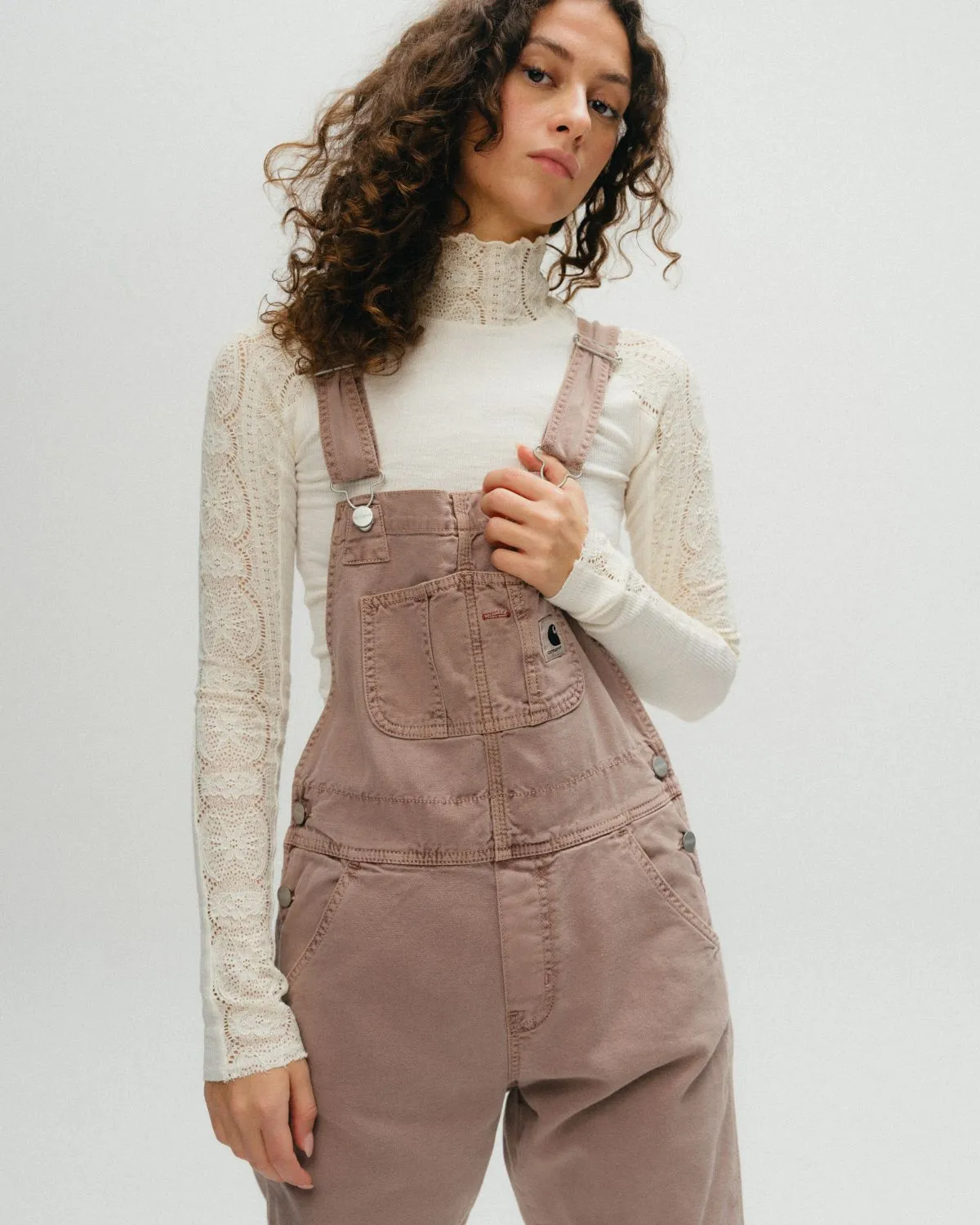
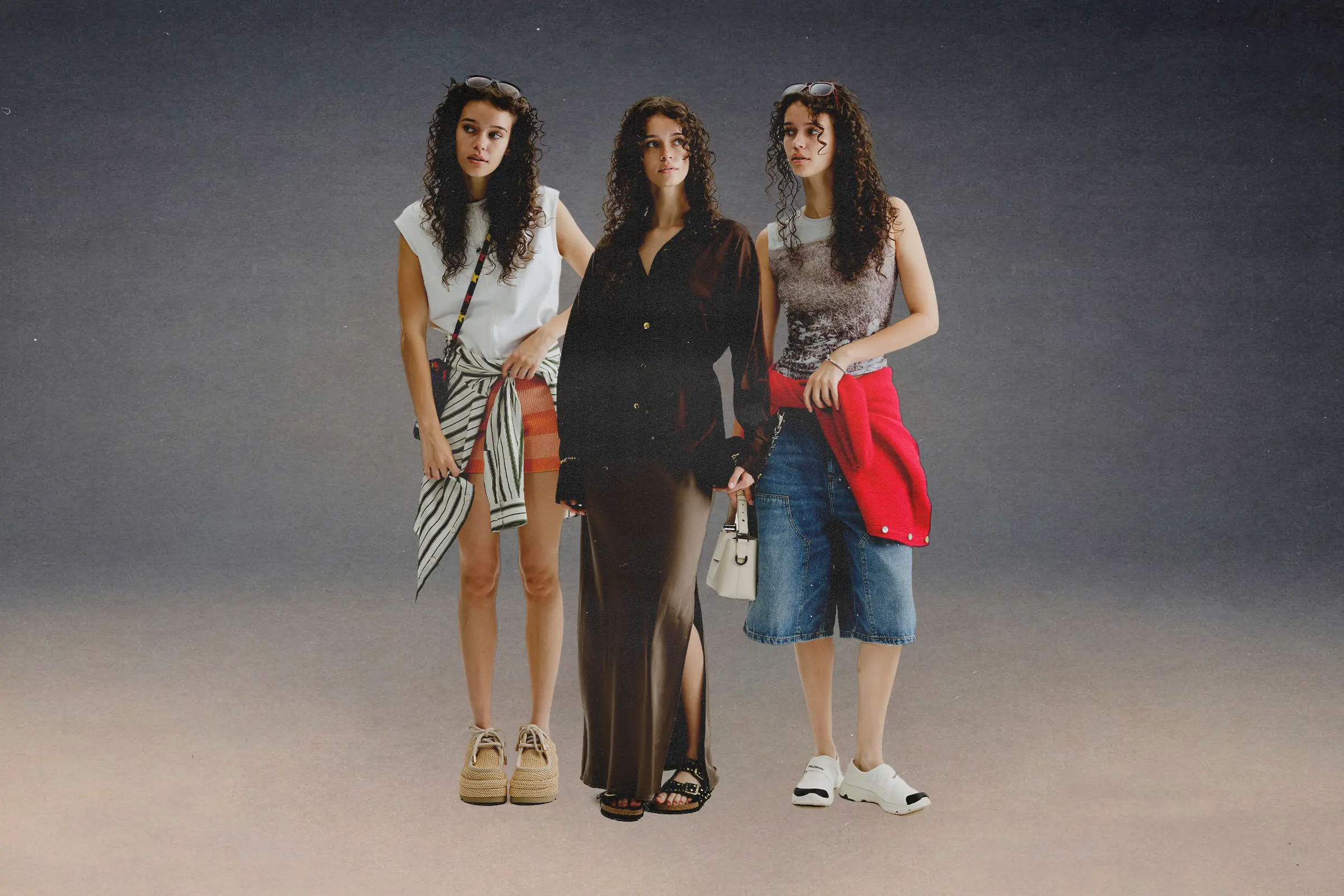
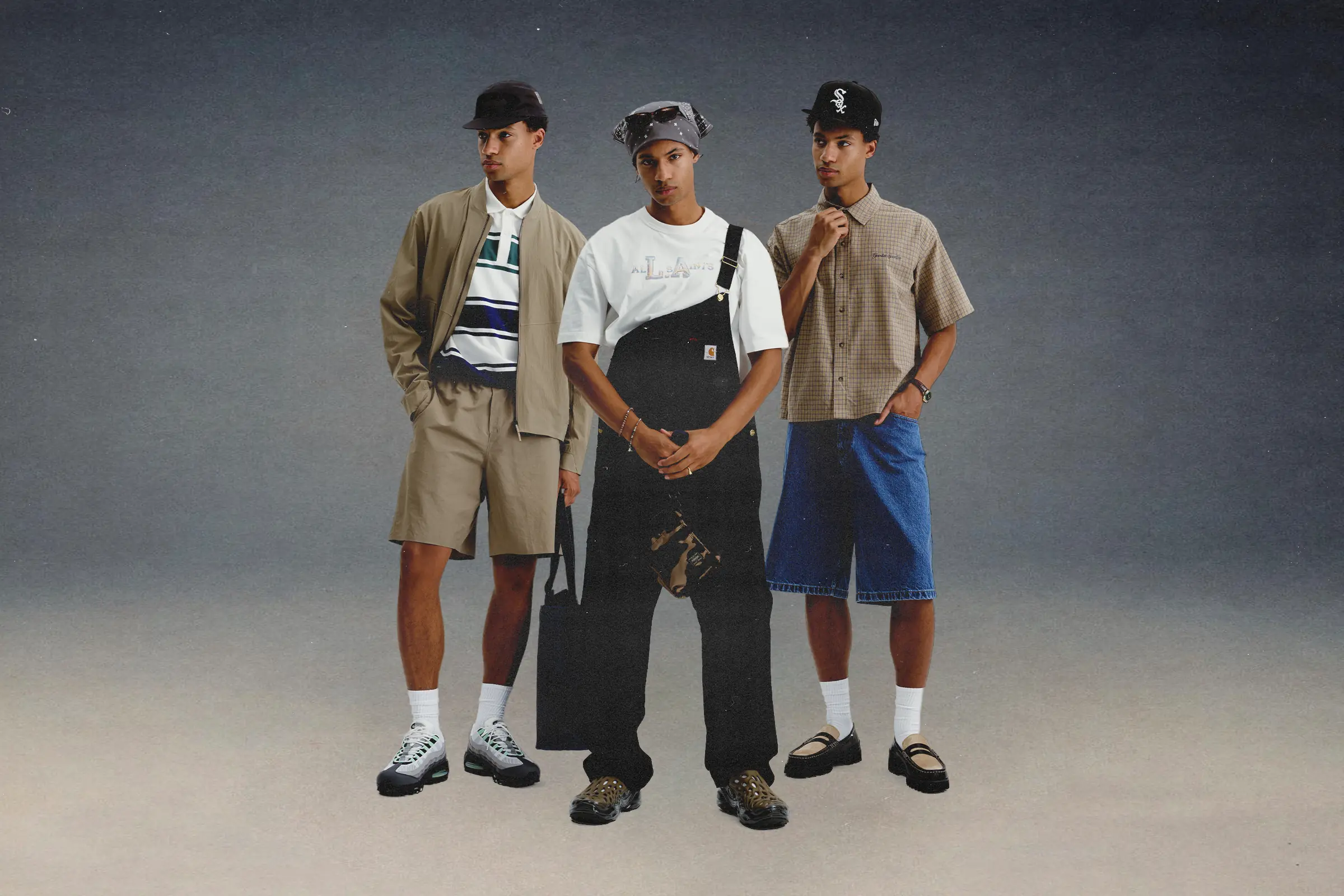
Carhartt WIP’s aesthetic can best be described as a refined take on utility: Clean silhouettes meet everyday wearability, infused with a distinct European sensibility. The color palette is subtle yet considered – earthy tones, washed hues, and muted neutrals that echo both workwear tradition and contemporary minimalism. It’s an aesthetic that doesn’t try too hard, but always looks right: contemporary, effortless, and adaptable across contexts.
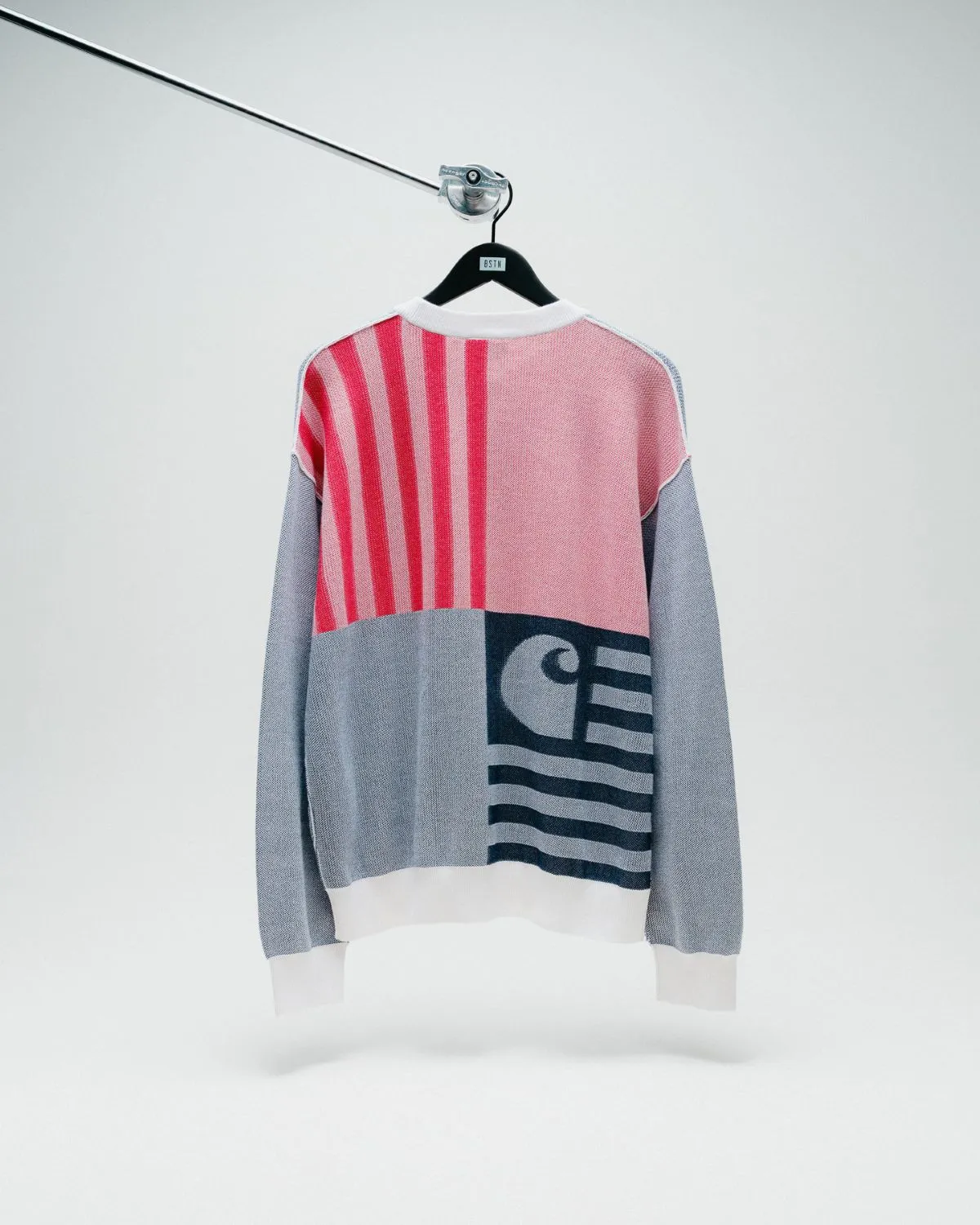

Culturally, the brand occupies a unique position: adopted by skaters in Berlin, musicians in London, and creatives in Tokyo (feel free to change those to every other major city in the world), it thrives in communities that value authenticity, craft, and quiet confidence. The brand’s ability to resonate globally comes not from chasing hype, but from staying true to its core while subtly evolving its aesthetic for modern life.
To understand this subcultural status, one has to go back to the ’90s hip hop scene where the likes of 2Pac, Eazy-E, and Nas embraced the OG Carhartt’s oversized cuts and rugged aesthetic: From the East Coast’s brown-and-green fits with Timberlands to the beige ‘chain gang’ look of the West Coast, workwear became street uniform. Mathieu Kassovitz’s La Haine meanwhile cemented Carhartt’s foothold in Europe’s underground culture in 1995.
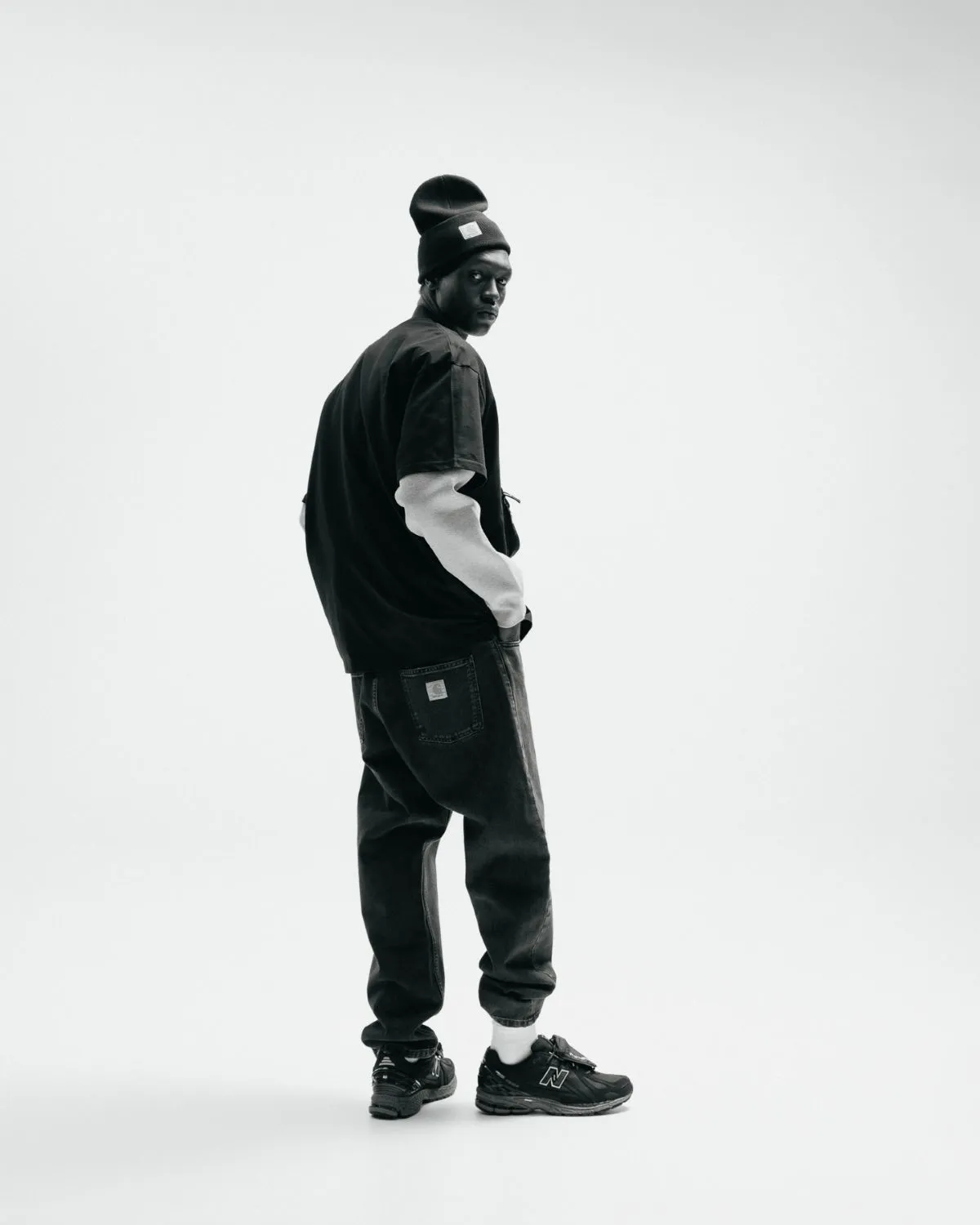

Recognizing this organic rise, Carhartt WIP integrated that cultural awareness into its own identity from the very start. Cuts were loose when worn oversized, but still worked true-to-size. The styling drew inspiration from hip hop, skateboarding, and club culture – but crafted with the approach of functional everyday wearability, in contrast to its construction site roots with sturdy fabrics which put function over comfort.

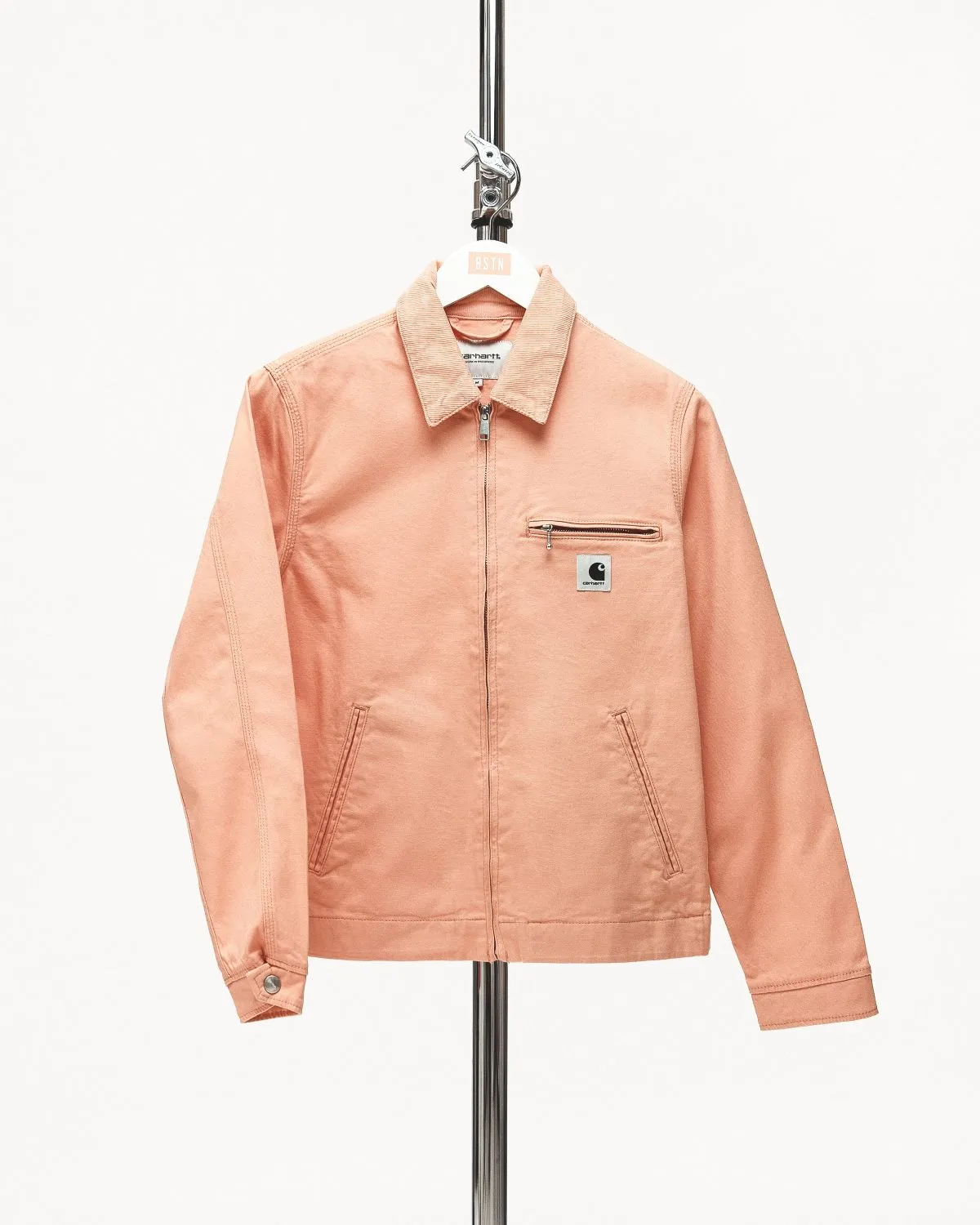
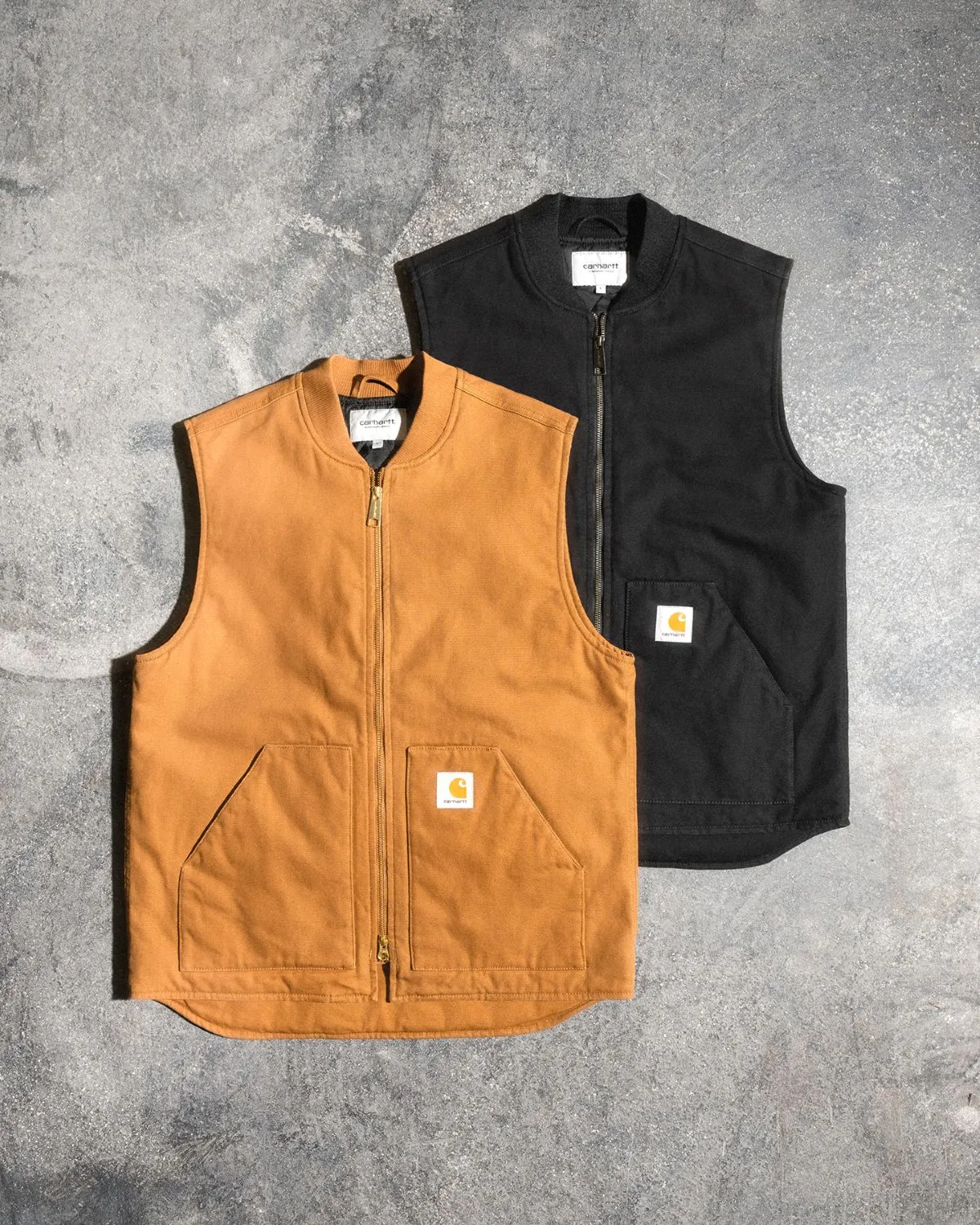
This everyday wearability and versatility cemented the streetwear relevance of Carhartt WIP: Hoodies, tees, cargo pants, and of course their jackets embody the brand’s signature balance of clean design and refined detail. Every piece reflects a dedication to craft – from considered garment washes to subtle logo embroidery – resulting in timeless staples with effortless appeal.
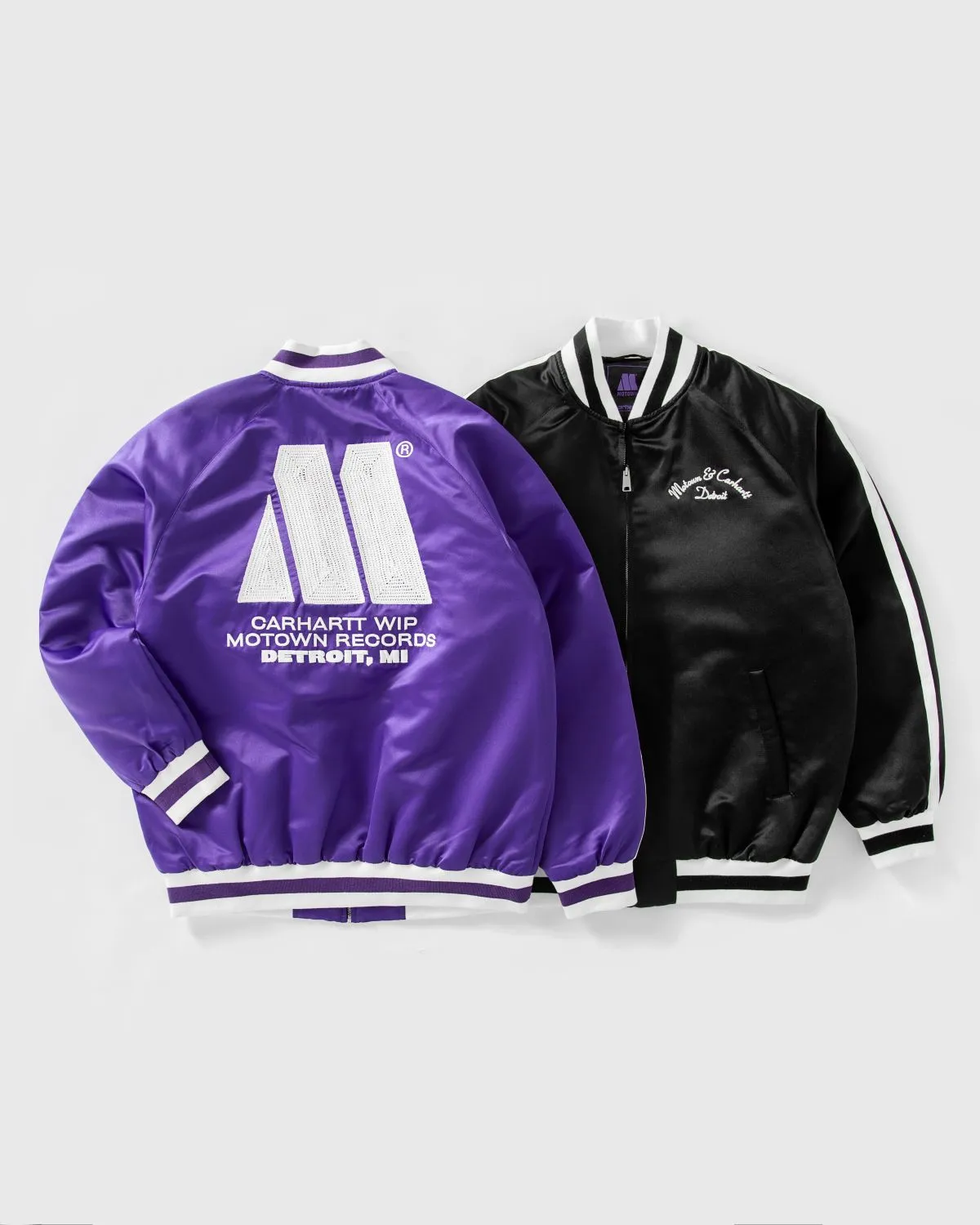
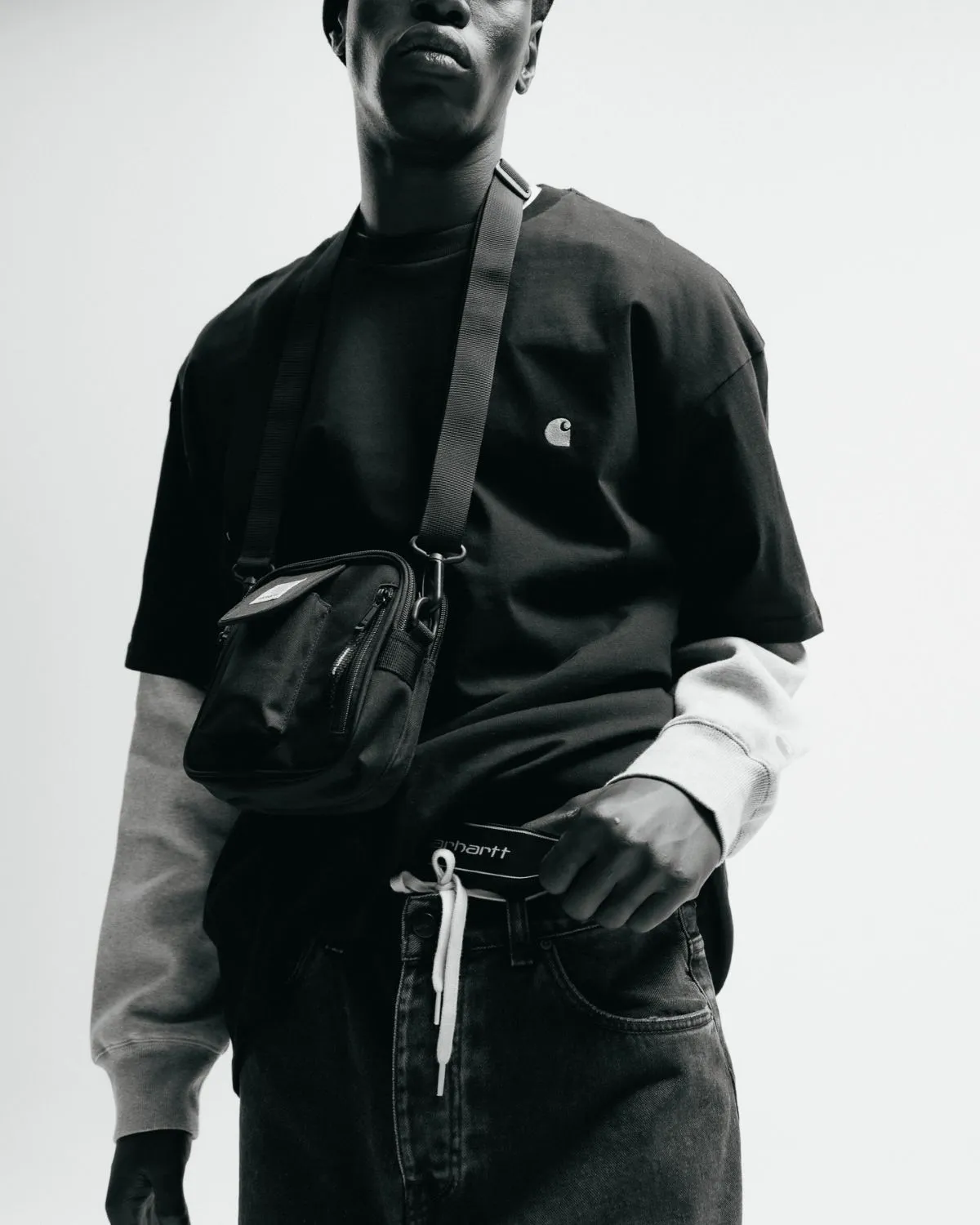
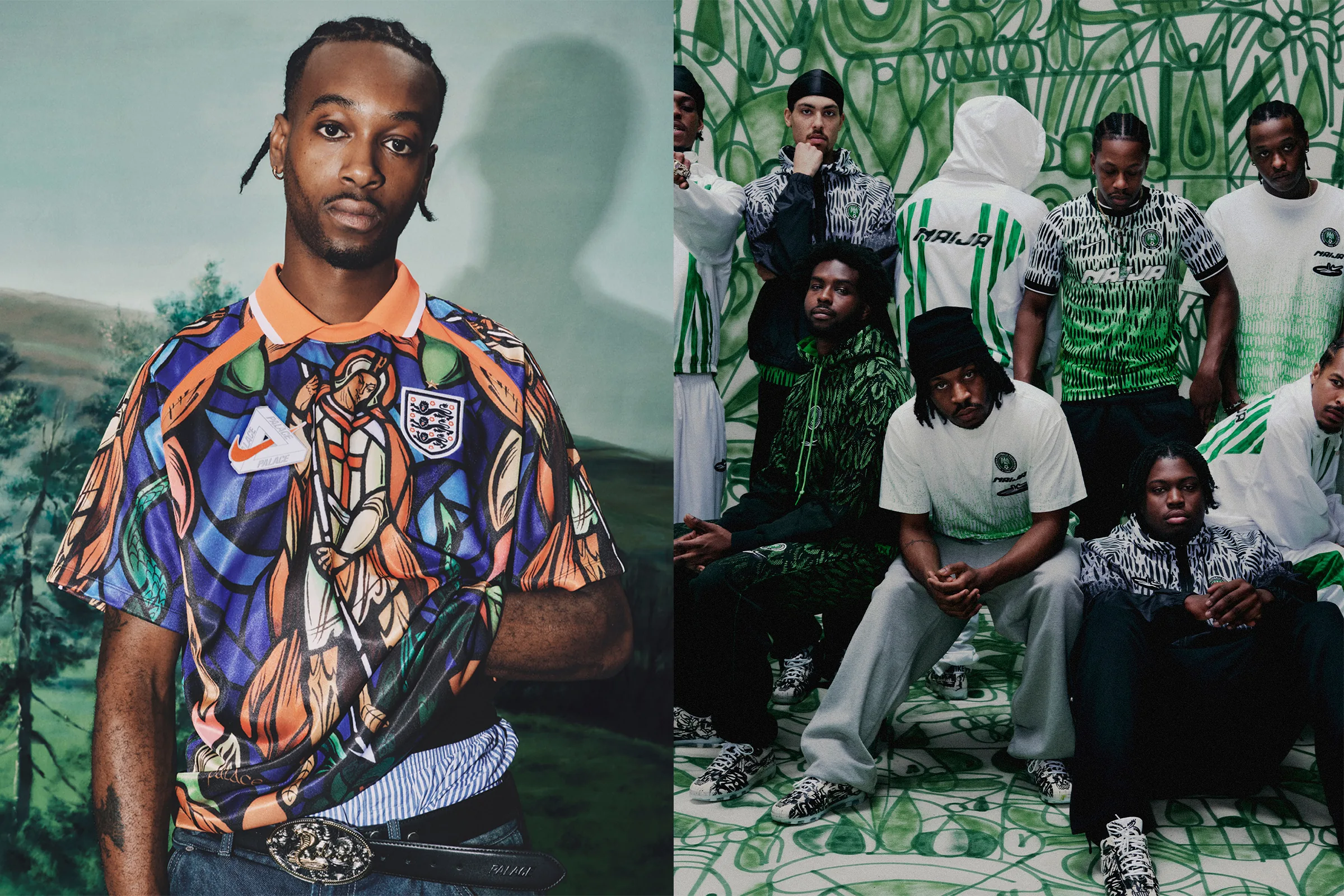
Collaboration has been another cornerstone of the label’s evolution. From partnering with Nike, Marni, and Converse, among others, Carhartt WIP has continuously expanded its reach without losing its grounded ethos. Limited-edition pieces and capsule drops merge workwear aesthetics with a lifestyle twist, allowing each generation to make the brand its own while honoring its roots. Carhartt WIP today remains a masterclass in balance: a rugged yet refined aesthetic, functional yet stylish, rooted in heritage yet constantly moving forward.