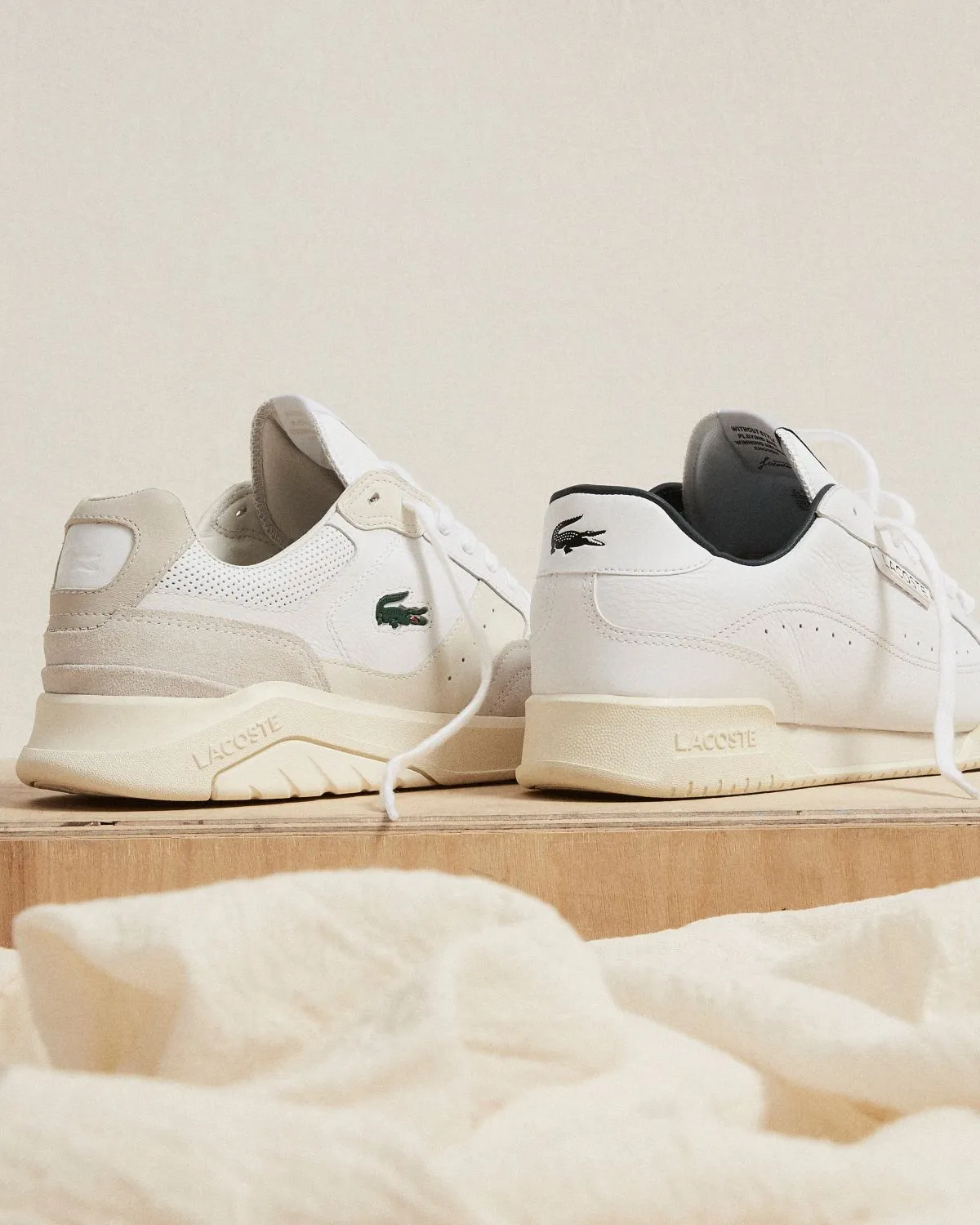
When René Lacoste – nicknamed ‘the Crocodile’ for his relentless playstyle – stepped onto the tennis courts of the 1920s, he wasn’t just rewriting the game with his racket. He was also laying the groundwork for a new idea of sportswear:
In 1928, during the French championship final, Lacoste staged what would later be remembered as a stroke of genius: he took his long-sleeved tennis shirt and cut the sleeves off. With his movements liberated, he was faster than ever, yet still as chic as ever – but with a twist. And it marked the birth of a new garment, one that merged performance with elegance.
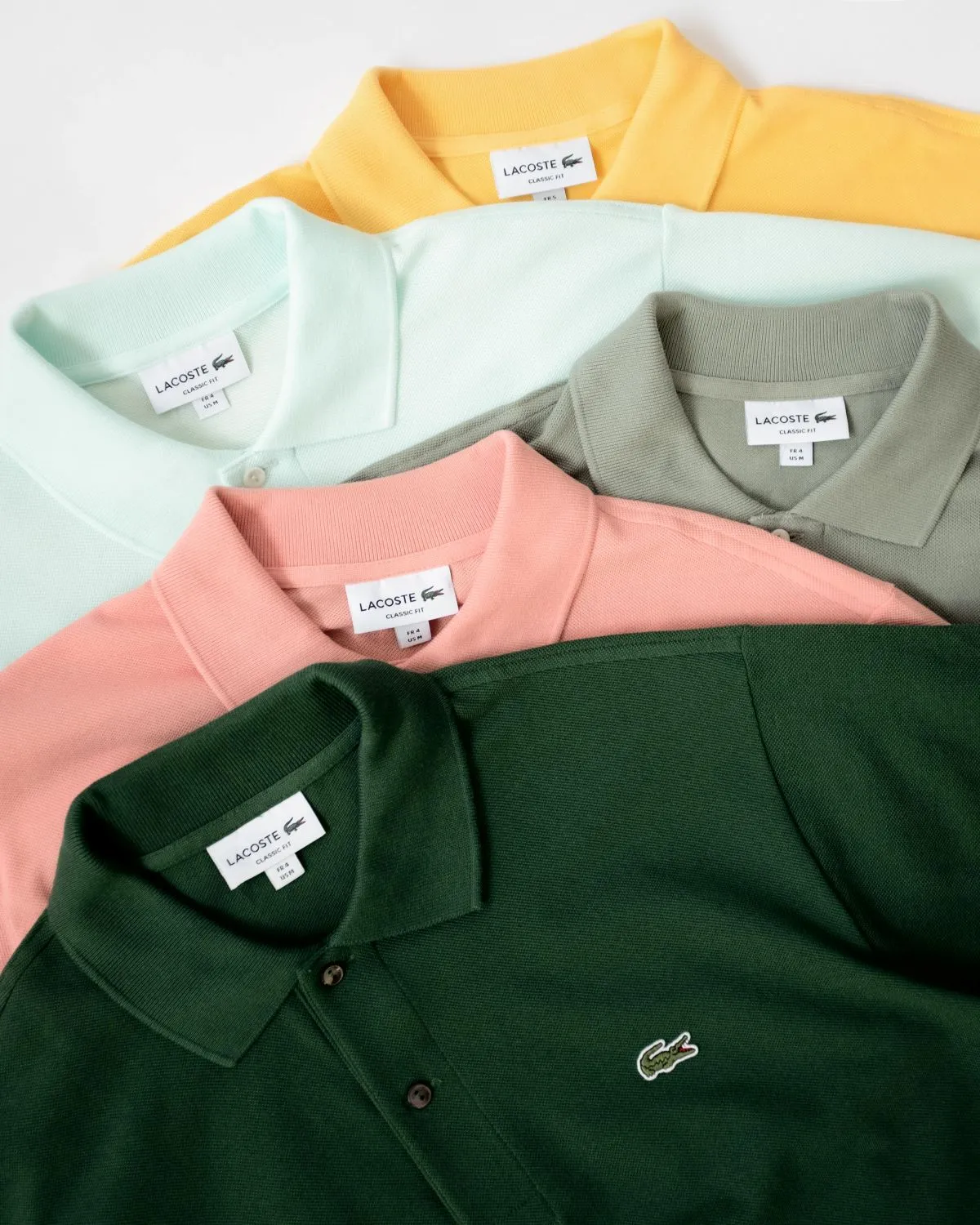
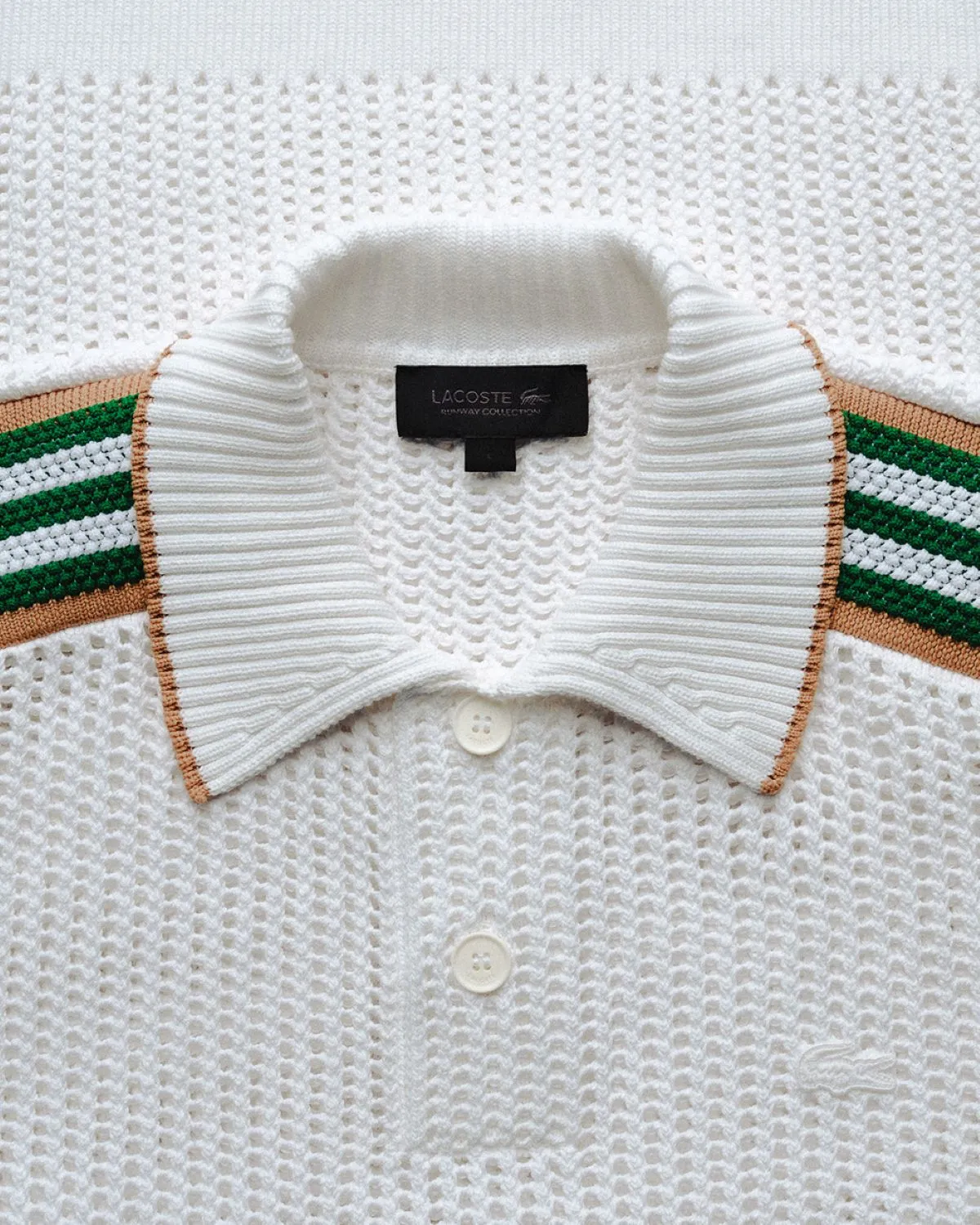
By 1933, Lacoste took the experiment further and launched the very first polo shirt in history: the L.12.12. The shirt was a distillation of textile innovation: ribbed cuffs that freed up movement, a buttoned shirt collar that introduced versatility, and the crocodile logo embroidered on the chest – one of the earliest visible brand marks in fashion.
From the beginning, the now-born Lacoste brand existed at the crossroads of function and style. The breathable petit piqué fabric offered athletes freedom of movement, while the tailored silhouette made the shirt as appropriate off-court as it was on. That duality – sporty yet refined – set the formula for what would become modern sportswear, long before the term ‘athleisure’ was coined.
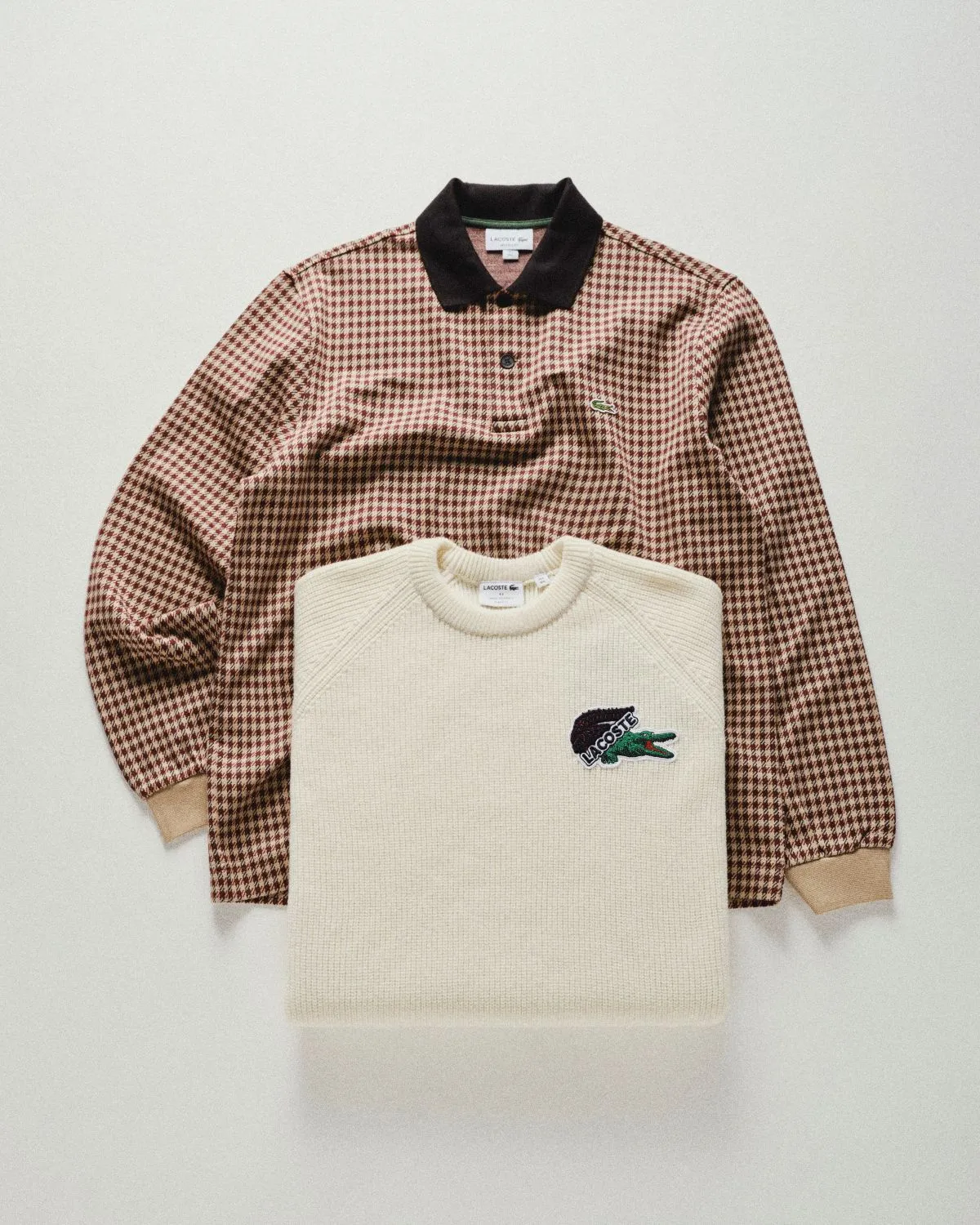
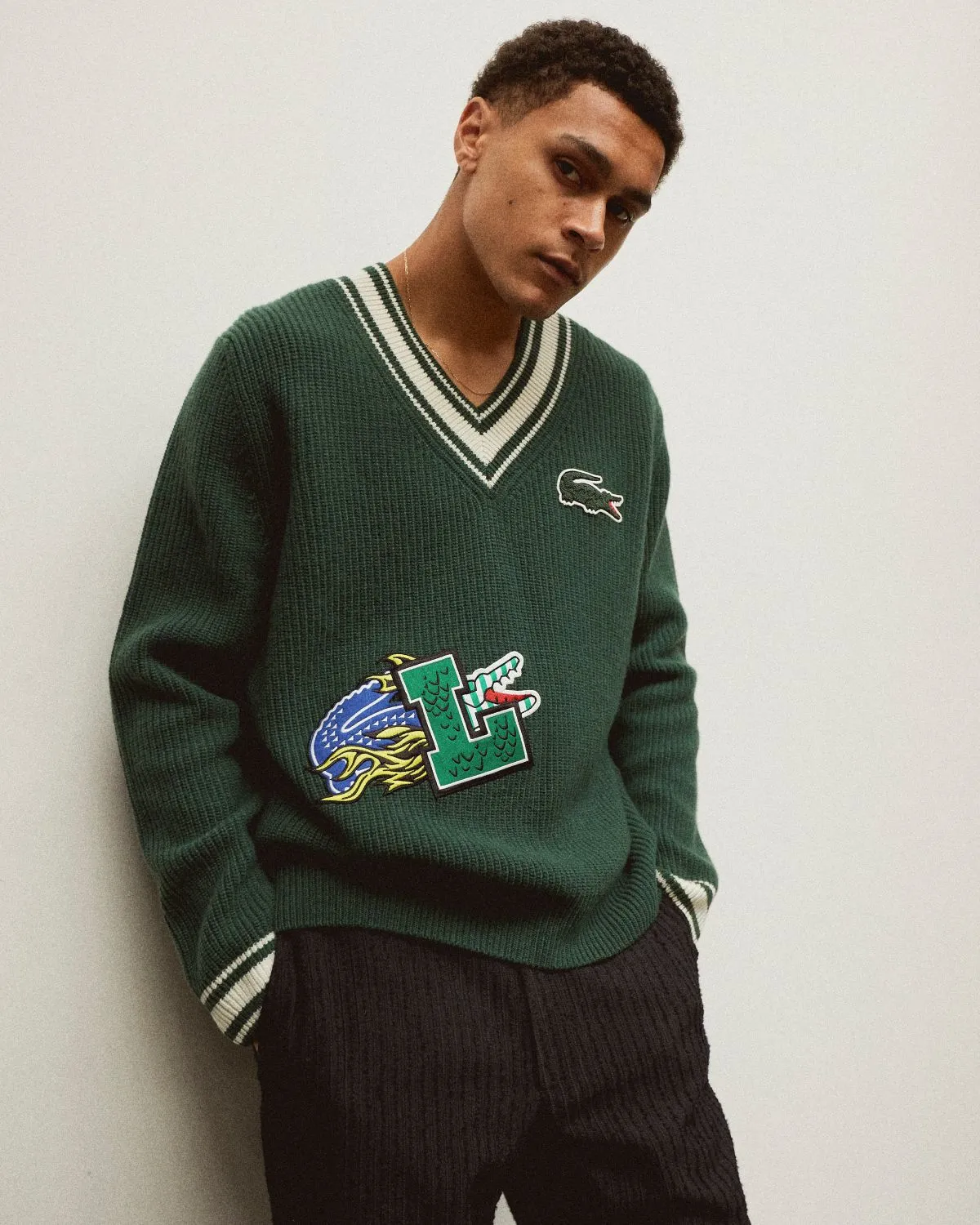
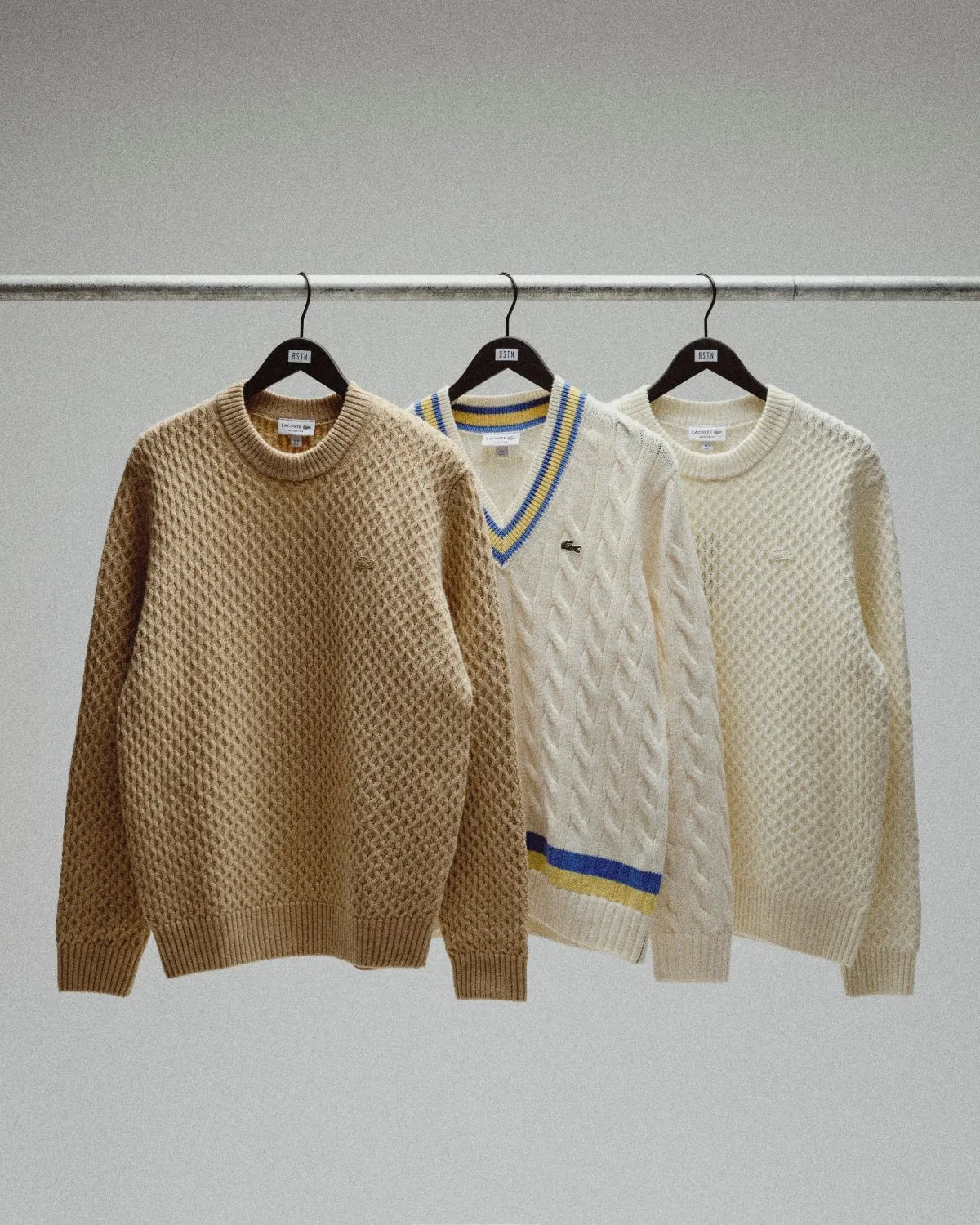
By the post-war years, the polo shirt had transcended tennis when golfers, sailors, and the leisure classes embraced it as a uniform of understated elegance. The crocodile stood for more than performance – it symbolized a certain lifestyle: casual, confident, and quietly aspirational. Over the decades, the logo alone became shorthand for quality and heritage, instantly recognizable whether stitched on polos, knitwear, or outerwear. But Lacoste’s reach extends far beyond country clubs and tennis courts:
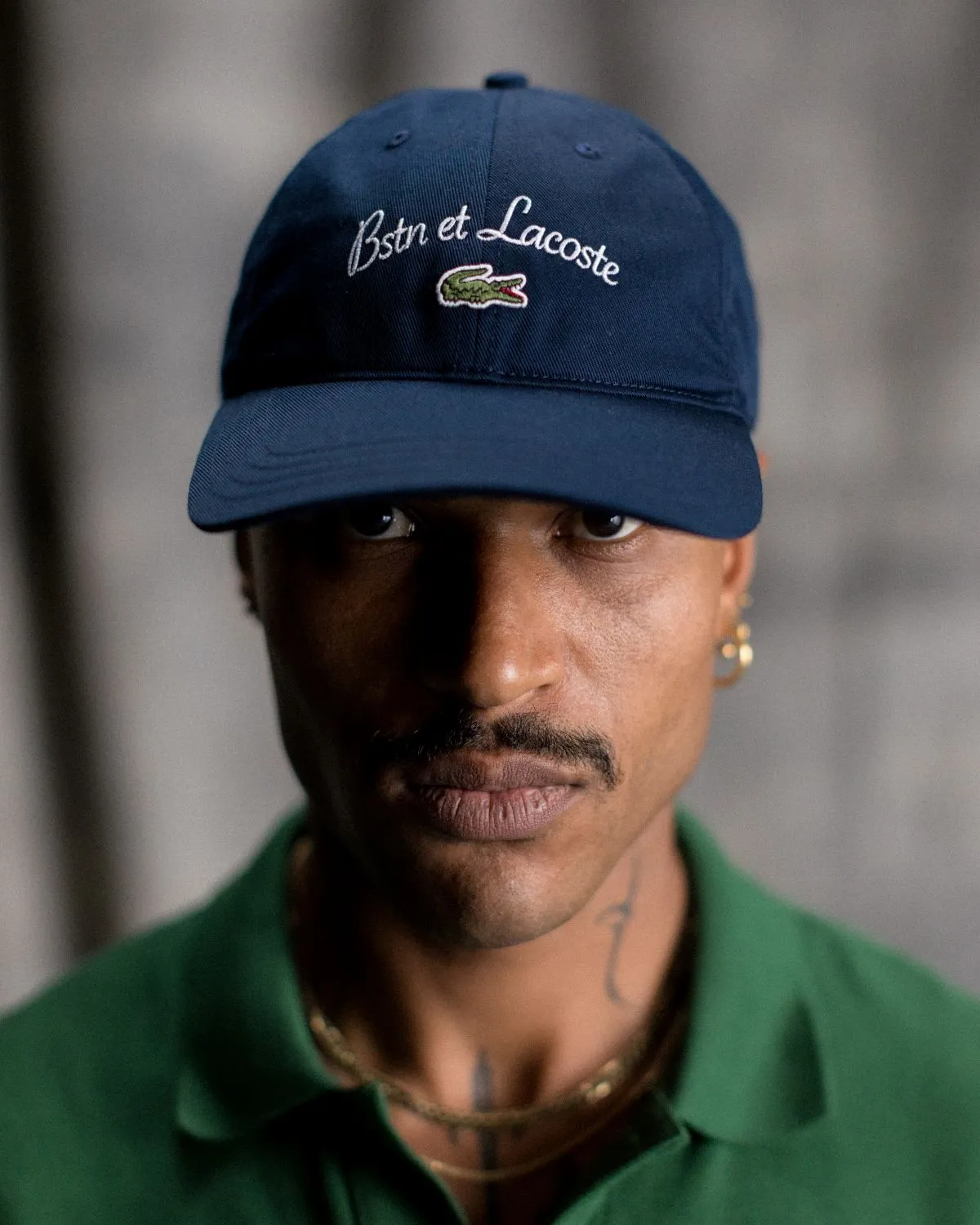
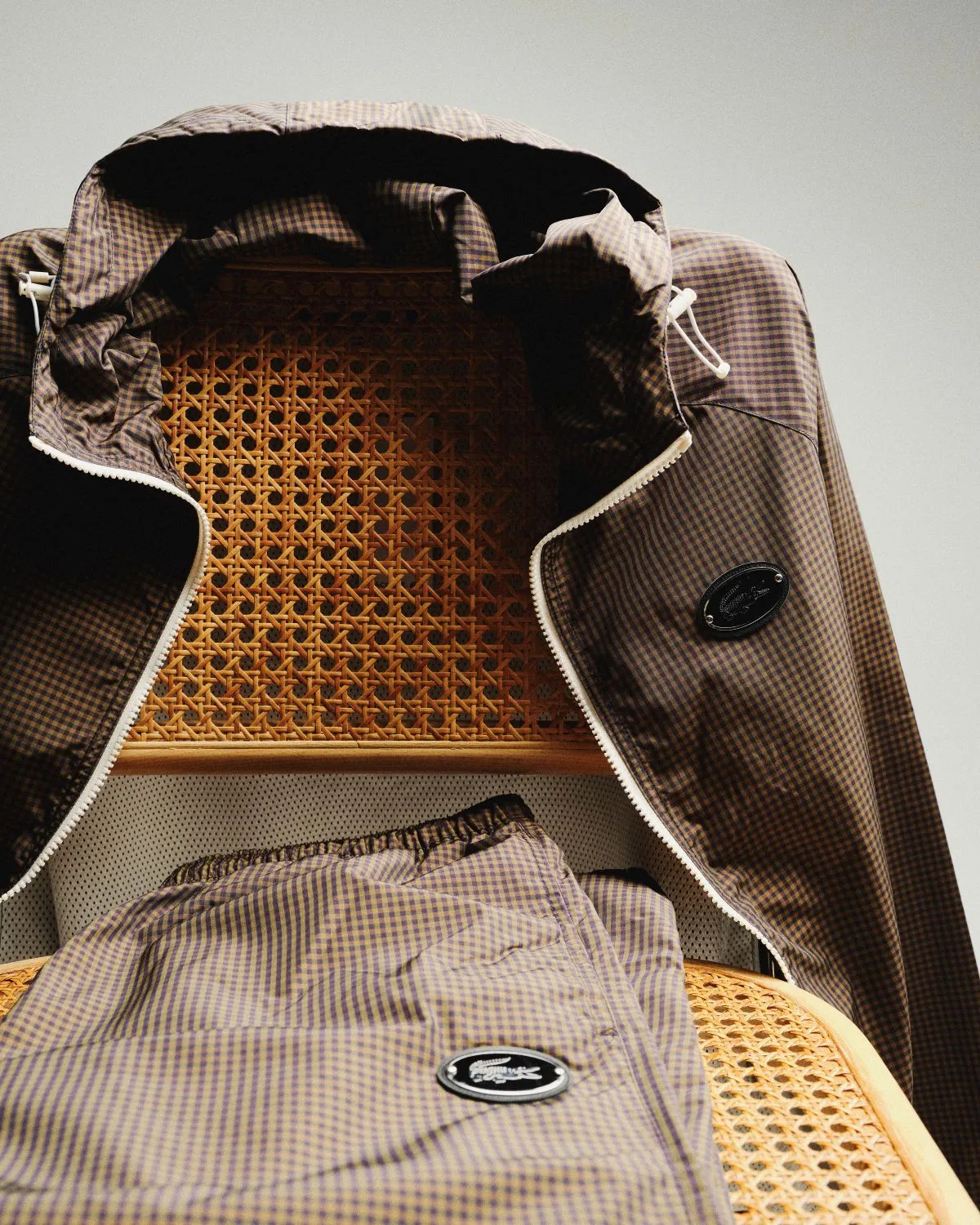
In the 1980s and ’90s, the brand found a new arena: the streets. Thanks to no small part to the rise of French hip hop, which catapulted street fashion Francais onto TV screens and magazine covers nationwide, Lacoste became part of a wider wave of European sportswear that was reinterpreted through the lens of youth culture. Lacoste’s iconic caps (dubbed Girolles), track jackets, polo shirts, and color-blocked windbreakers turned into street codes thanks to their head-turning color range – blending prep with edge, status symbols with rebellion.
“Elegance is first and foremost about adapting clothes to the situation and circumstances. But it’s also about simplicity in the overall design and discretion in the details.”
René Lacoste to Bally magazine, 1983
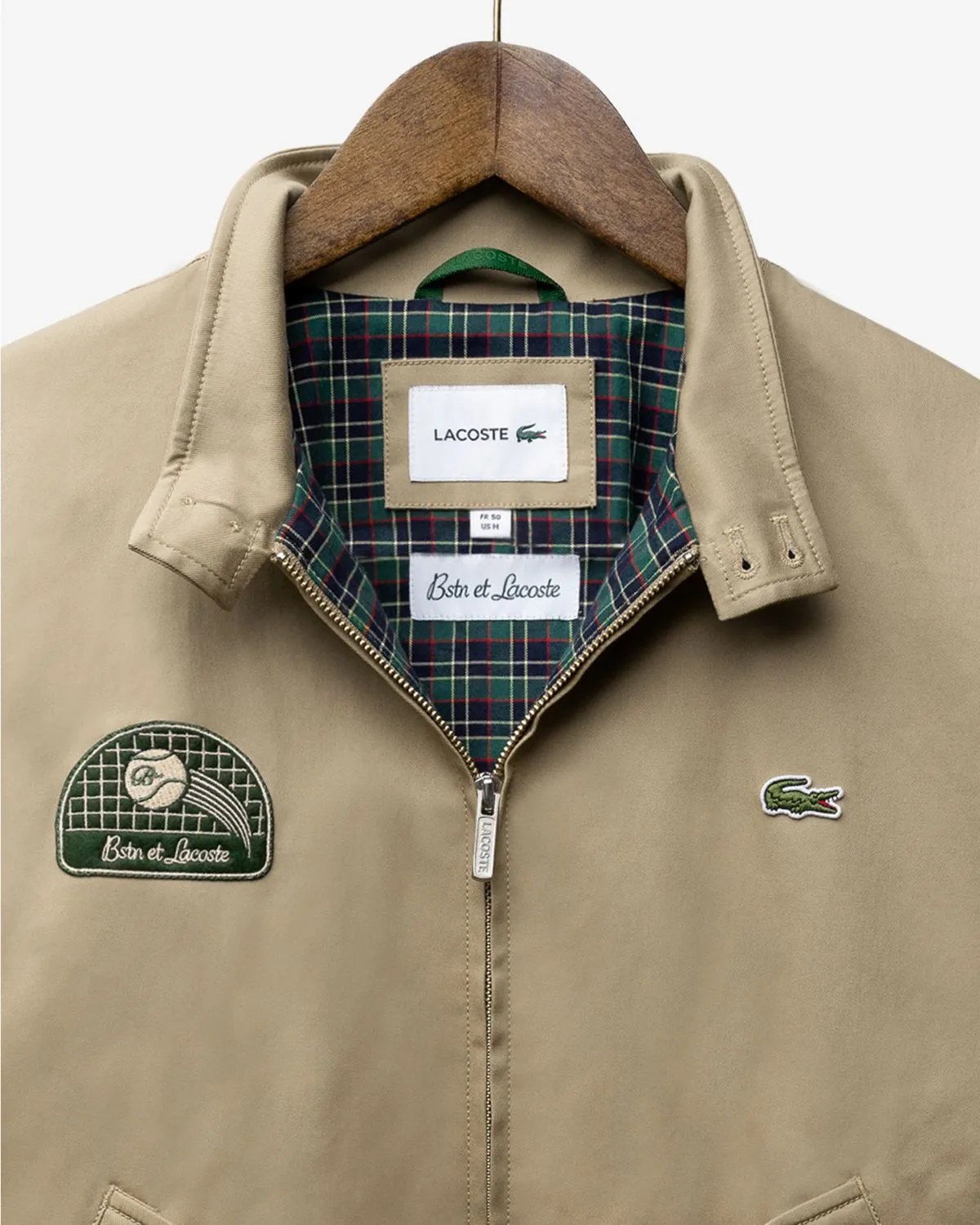
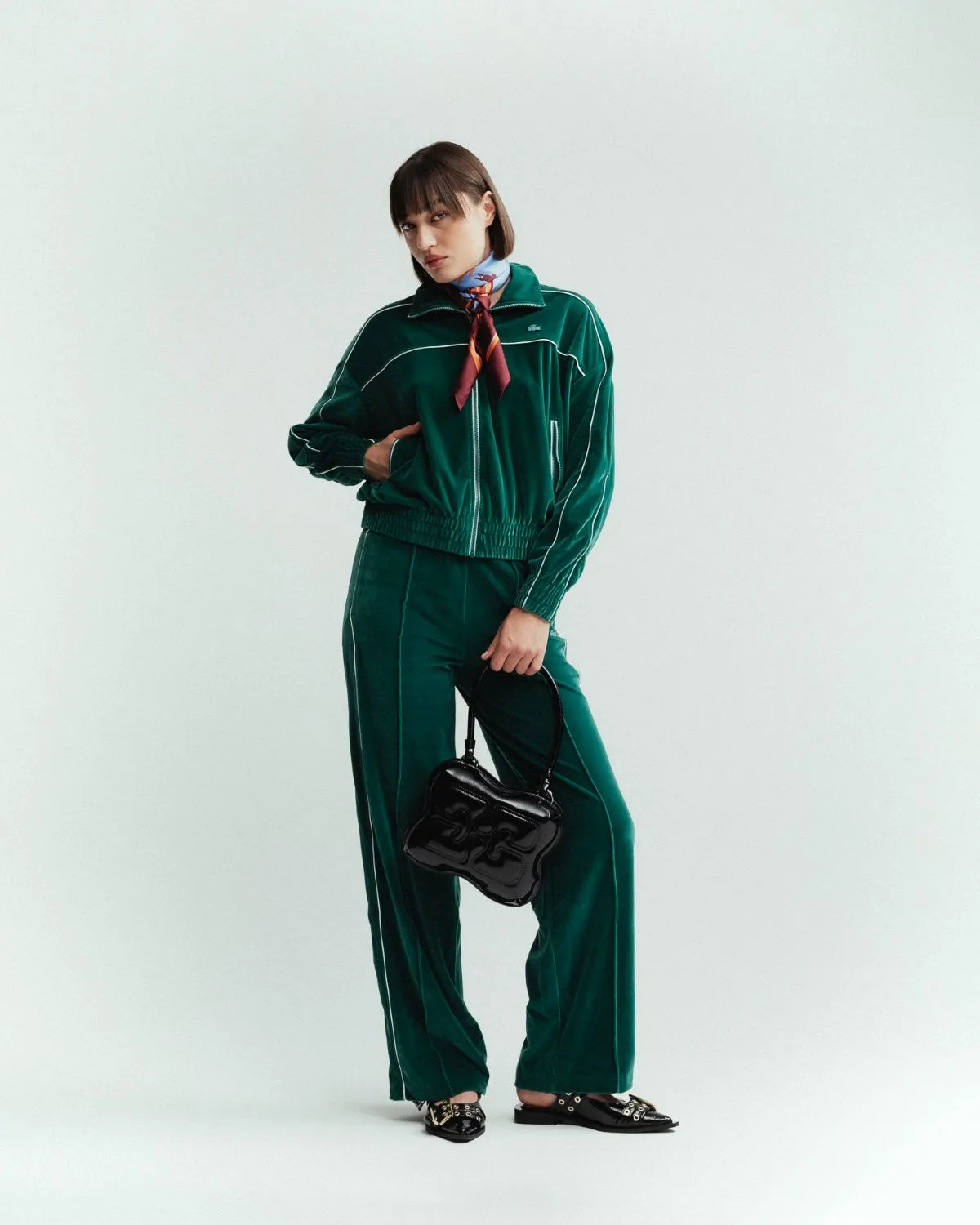
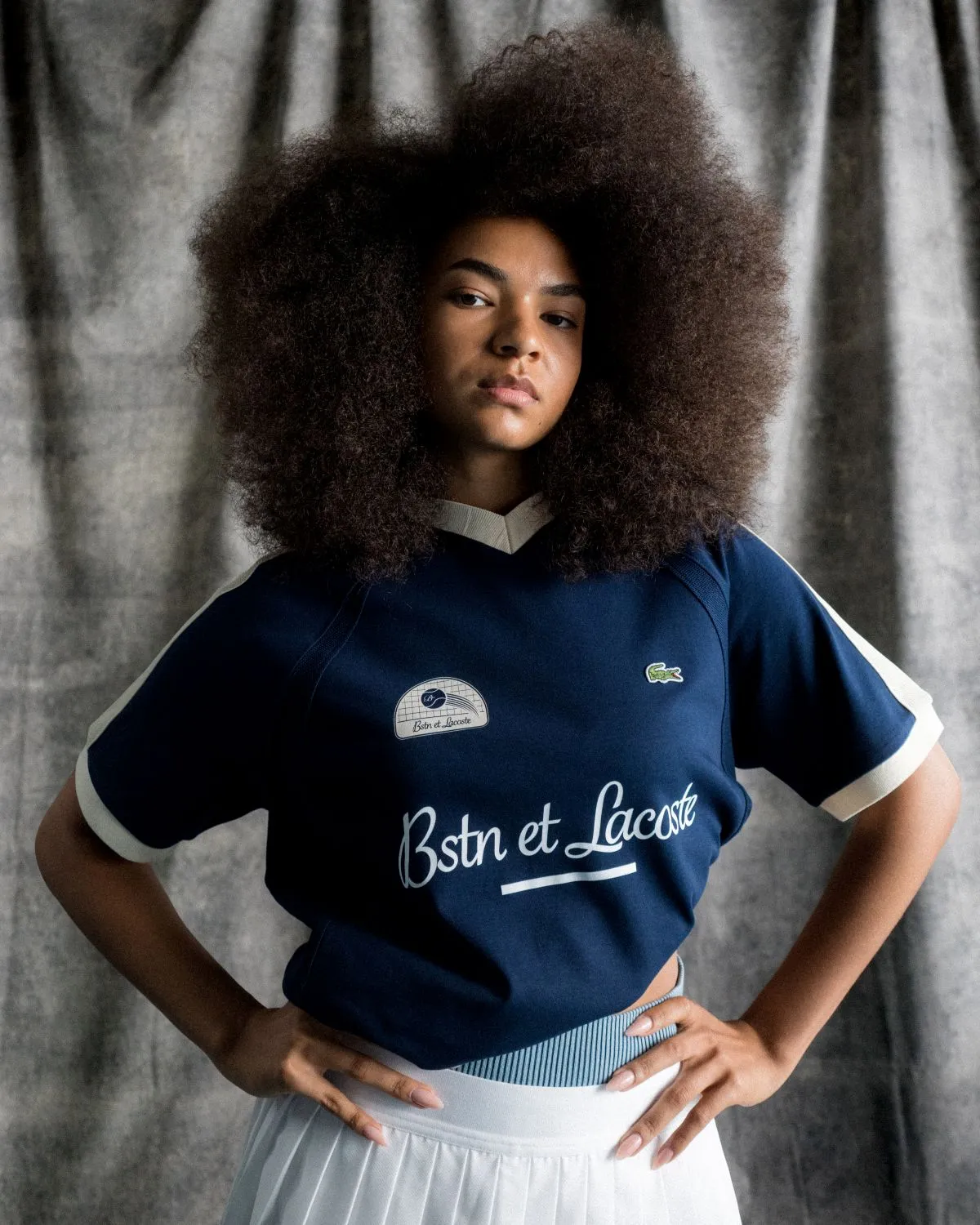
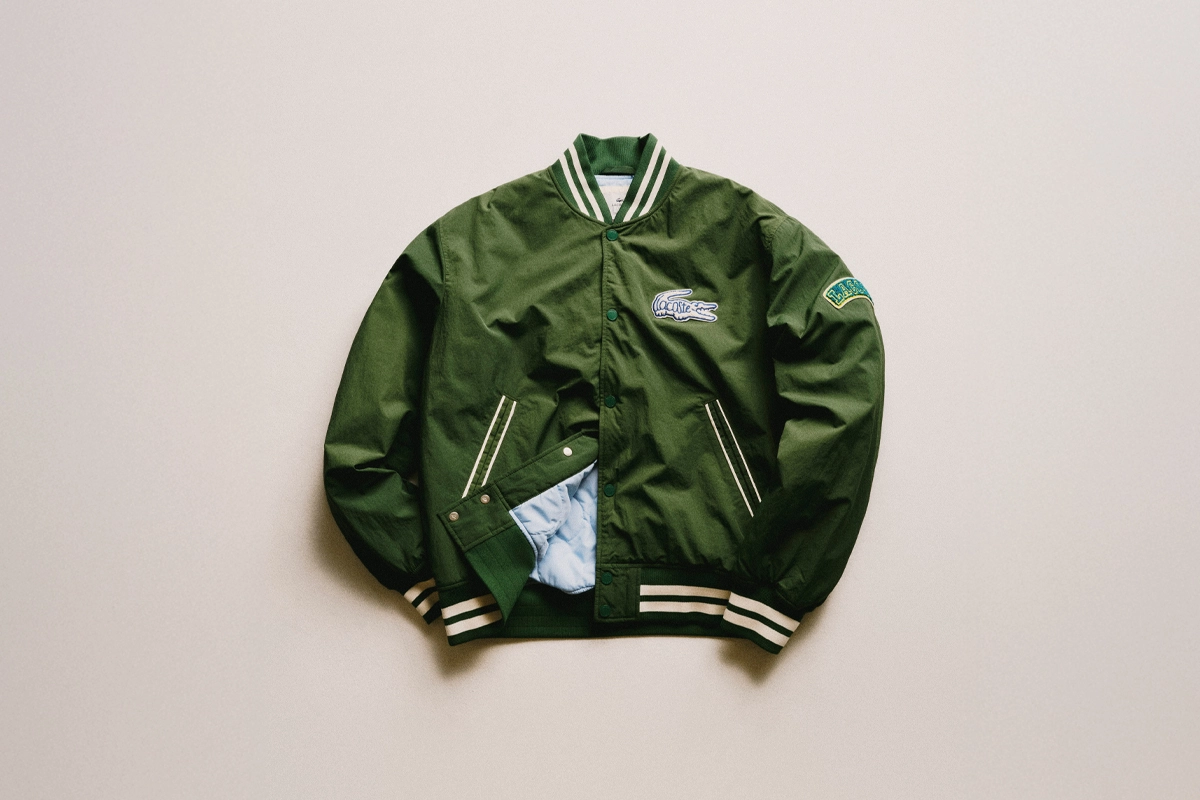
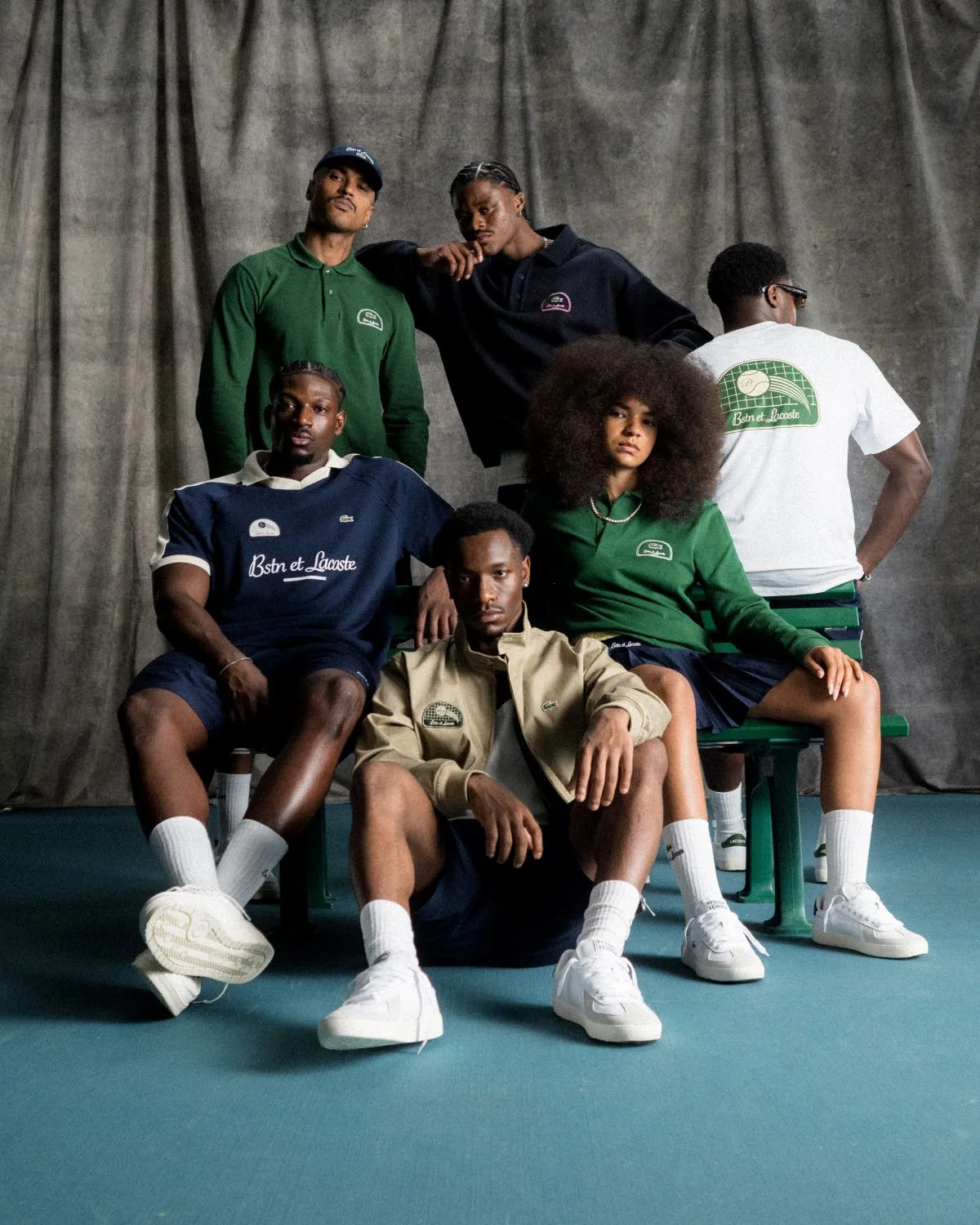
That juxtaposition – classic vs. subcultural – has fueled Lacoste’s staying power ever since. The brand’s archives offer timeless staples, while collaborations with labels like Supreme, A.P.C., and yours truly, BSTN, have injected new energy into the crocodile and proves its relevance across generations and style tribes.
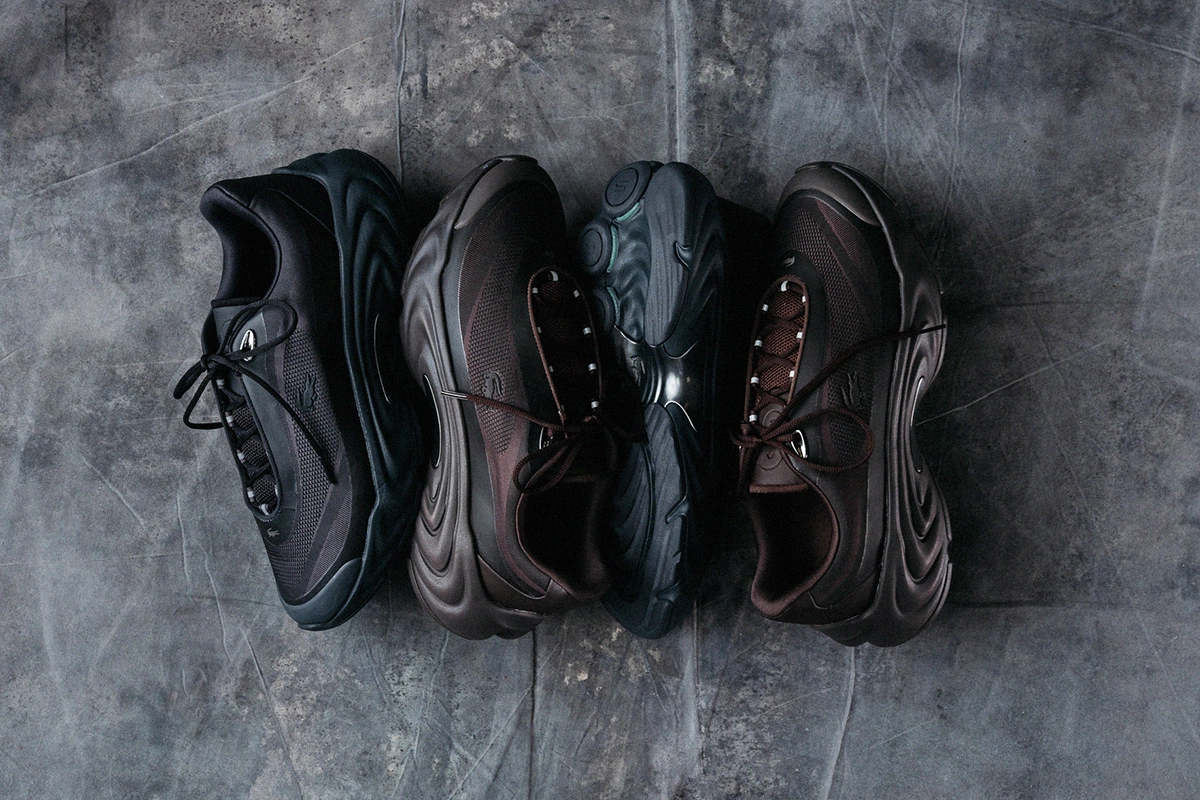
Today, Lacoste continues to balance its sporting DNA with contemporary design. From innovative fabrics to runway reinterpretations under creative directors like Felipe Oliveira Baptista and Louise Trotter, the brand has shown that it can shapeshift without losing its roots. Nearly a century after René Lacoste first stitched a crocodile onto his chest, the symbol still carries the same weight: resilience, elegance, and the quiet confidence of a true original.